Vision AI Emerges as Critical Safety Layer for Automated
Vision AI is becoming an essential site-wide safety system for construction, enabling autonomous robots and human workers to operate together safely by
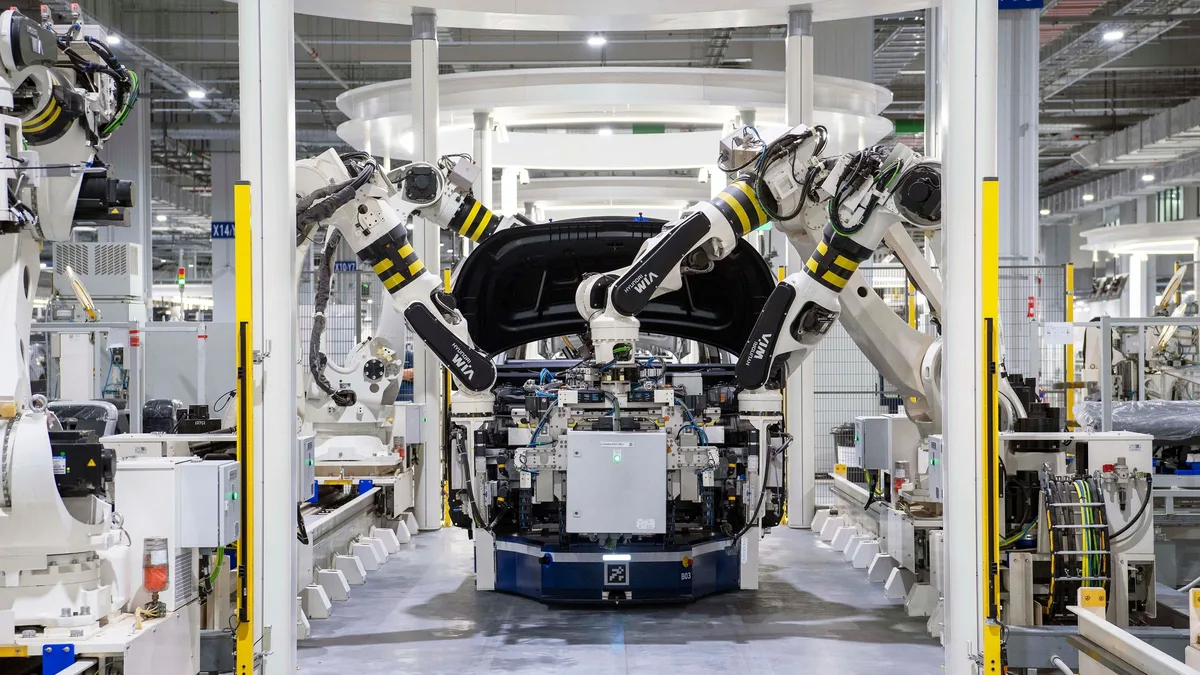
The construction industry is deploying autonomous compactors, robotic layout systems, and inspection drones. The critical challenge for this new automation is ensuring safe interaction between these machines and frontline workers on dynamic job sites, a problem addressed by a layer of vision AI technology.
The global construction robotics market is estimated to reach $3.66 billion by 2030. Yet the success of these robots hinges not on their capabilities alone, but on safely integrating them with human crews.
The Concentration of Risk in Shared Spaces
Safety statistics show the need. OSHA's "Fatal Four" hazards-falls, struck-by, electrocution, and caught-in/between-account for roughly 58% to 59% of U.S. Construction deaths. Struck-by incidents alone kill over 100 workers annually, with most involving vehicles or moving equipment.
An autonomous machine operates precisely as programmed but lacks human intuition. It cannot sense that a worker has stepped behind materials or that a new crew has entered a zone previously deemed clear. This shared workspace, where excavation crews, electricians, and an autonomous compactor occupy the same area, is where risk concentrates. The industry is responding with evolving standards like ANSI/RIA R15.08, developed for autonomous mobile robots in dynamic environments.
From Local Machine Vision to Site-Wide Perception
Every autonomous machine uses onboard sensors like cameras and lidar to perceive its immediate surroundings. Construction, however, demands a broader perspective. Workers, materials, and equipment are in constant motion across the entire site.
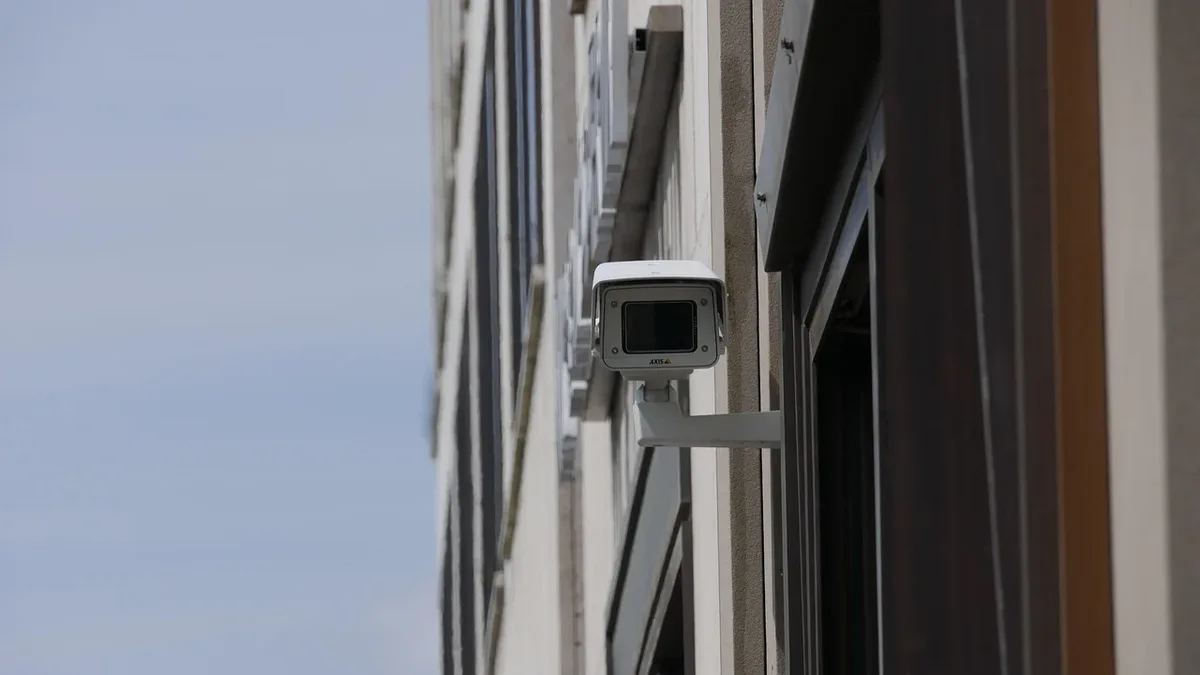
Vision AI acts as a site-wide perception layer to fill this gap. It continuously analyzes live video streams from CCTV cameras, temporary site cameras, drones, body-worn cameras, and other sensor feeds. This creates a common operational picture of interactions between workers, vehicles, and robots in real time.
This layer is also manifesting in new hardware. Autonomous mobile patrol units, such as the viBOT, are emerging to physically carry this perception capability into blind spots like basements, tunnels, and shifting work zones. Their value lies in extending the unified vision AI layer, rather than adding another isolated sensor.
Evolving from Detection to Contextual Understanding
The technology is advancing beyond basic detection of safety gear or zone breaches. The next generation combines computer vision with agentic AI that can interpret context, reason across data sources, and recommend actions.
On a job site, this means moving from isolated alerts to coordinated decision-making. AI can correlate live video, equipment location, drone imagery, and site activities to understand the broader operational context of a potential hazard.
Processing at the edge-close to the cameras and sensors-allows hazards to be identified within seconds without relying on cloud connectivity. This low-latency response is essential. Simultaneously, a centralized operations dashboard gives supervisors a single, live view of the entire site, replacing the need to monitor dozens of independent feeds.
The future of construction robotics depends on this shared awareness. As Gary Ng, co-founder and CEO of viAct, notes in the source, automation alone will not create safer job sites. Vision AI provides the continuous perception that allows humans and machines to operate safely together for the foreseeable future.