Tutor Intelligence Raises $75 Million to Scale Robotics in Manufacturing
Tutor Intelligence secured $75 million in Series B funding to accelerate the manufacturing and deployment of its flexible, AI-driven robots in U.S. production facilities, bringing its total capital raised to $117 million.
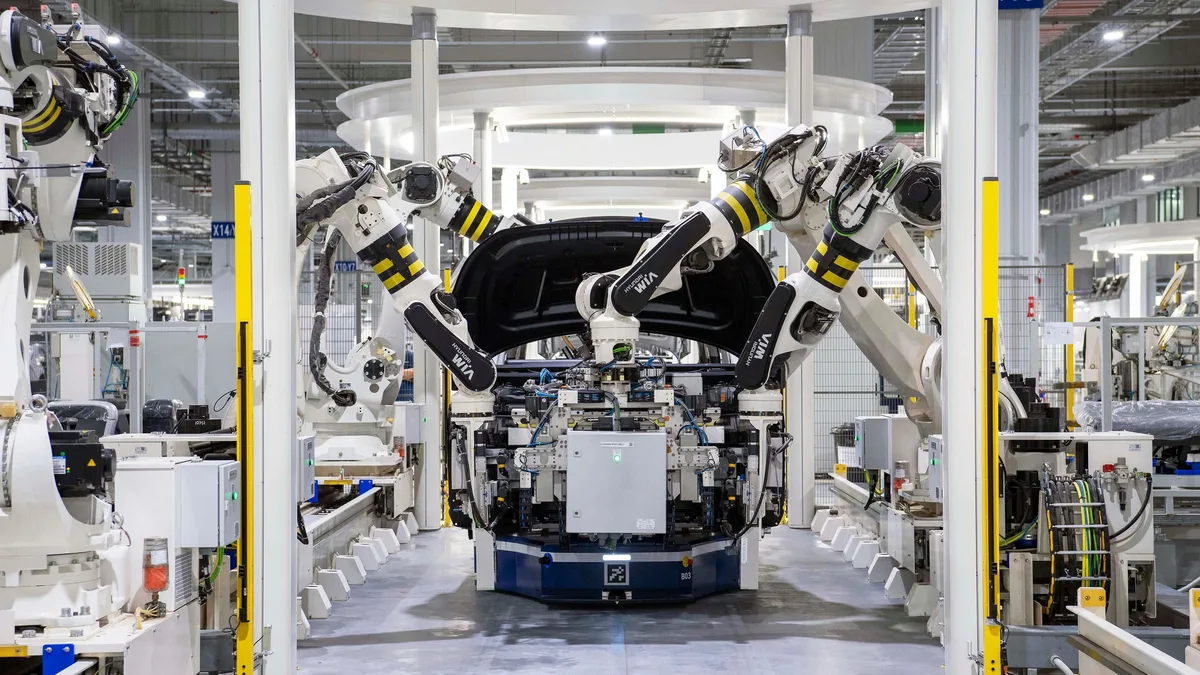
Tutor Intelligence has raised $75 million in a Series B funding round led by Andreessen Horowitz. The robotics company, based in Watertown, Massachusetts, will use the capital to accelerate the manufacturing and deployment of its robot workers, bringing its total funding to $117 million. Union Square Ventures and Neo also participated in the round.
The investment supports a rapid expansion of the company's fleet. Twice as many robots are now working in almost four times as many facilities compared to a year ago. Tutor is on track to have more than 1,000 robots under contract by the end of 2027.
Business model removes barriers
Tutor charges customers by the hour or by the item picked, eliminating the need for upfront equipment purchases or long-term contracts. This pay-per-use model, distinct from a traditional robots-as-a-service subscription, is designed to provide flexible automation for manufacturing and logistics tasks. Businesses pay only for the work performed.
Fleet grows rapidly
Deployment is scaling quickly, with nearly one-third of organizations that received Tutor robots in the past 12 months being existing customers adding more machines. The company's robots currently operate in major U.S. manufacturing and logistics networks, handling consumer goods including breakfast cereals, snacks, candy, cosmetics, home goods, and toys. All systems are built in and deployed from the United States.
Technology and deployment
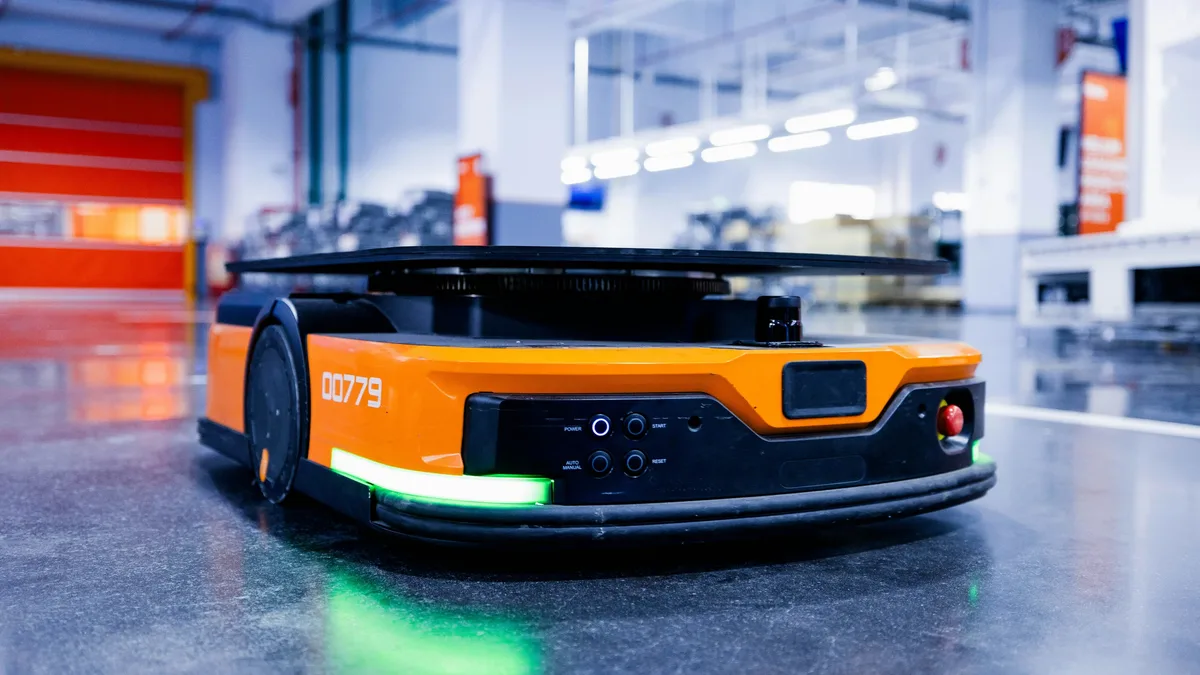
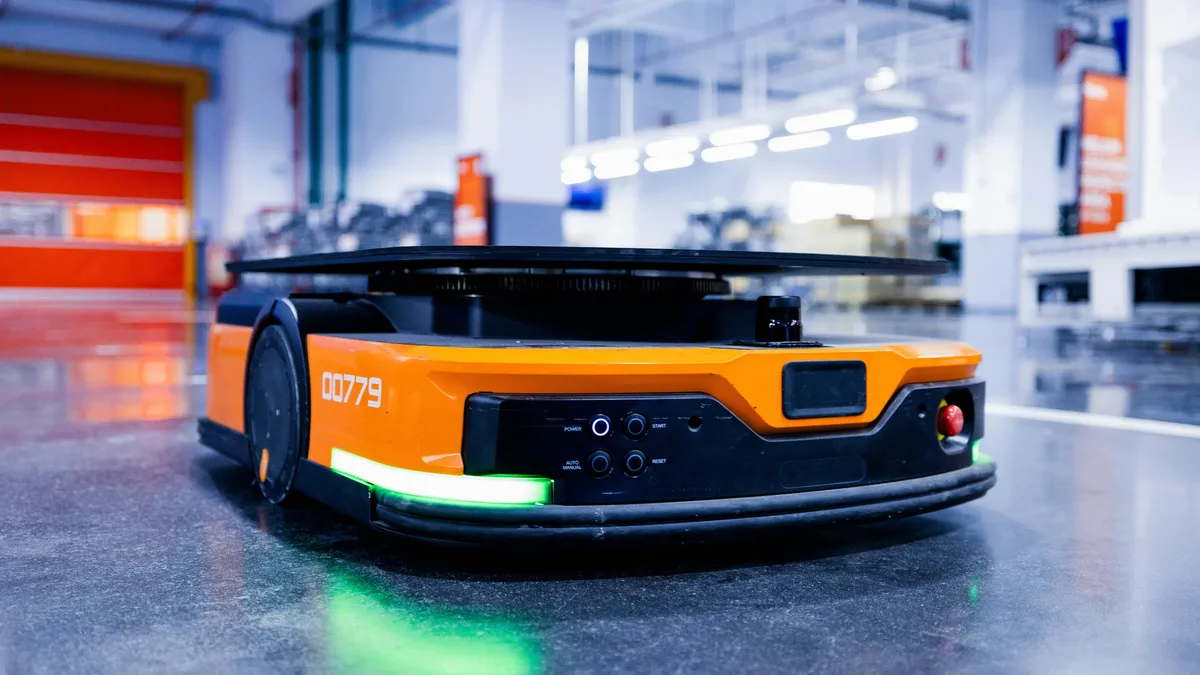
Tutor Intelligence builds a full technology stack of hardware and AI software. Its internet-connected robots, operated by remote human "tutors," perform production tasks like lifting, moving, and manipulating goods. The company uses a 'data flywheel' approach, where robots collect continuous real-world operational data to train frontier foundation models. Earlier this year, Tutor opened a 'Data Factory' to evaluate policies across 100 physical robots, including its Sonny two-armed, semi-humanoid robots for picking and its Cassie mobile manipulator for case picking and palletizing.
Raghu Raghuram, general partner at Andreessen Horowitz, highlighted the strategy. "Tutor's insight is that deployment isn't just the destination for robotics research--it's how you overcome its limitations," he said.
Leadership and vision
Co-founders Josh Gruenstein and Alon Kosowsky-Sachs spun the company out of MIT's Computer Science and Artificial Intelligence Laboratory in 2021. Gruenstein, the CEO, stated that Tutor's models let robots do jobs they have never been able to do before and make robots affordable on a new level. The vision is to unlock broader access to automation solutions that can make basic goods cheaper for everybody. Tutor Intelligence plans to use the new funding to support frontier robot foundation model training and the manufacturing and deployment of its Sonny and Cassie robot workers.