ISO 21423 Standard Enables Interoperability for Industrial Mobile Robots
The Association for Advancing Automation has published the ISO 21423:2026 standard, establishing a universal communication framework for industrial mobile robots from different vendors to operate together on a factory floor.
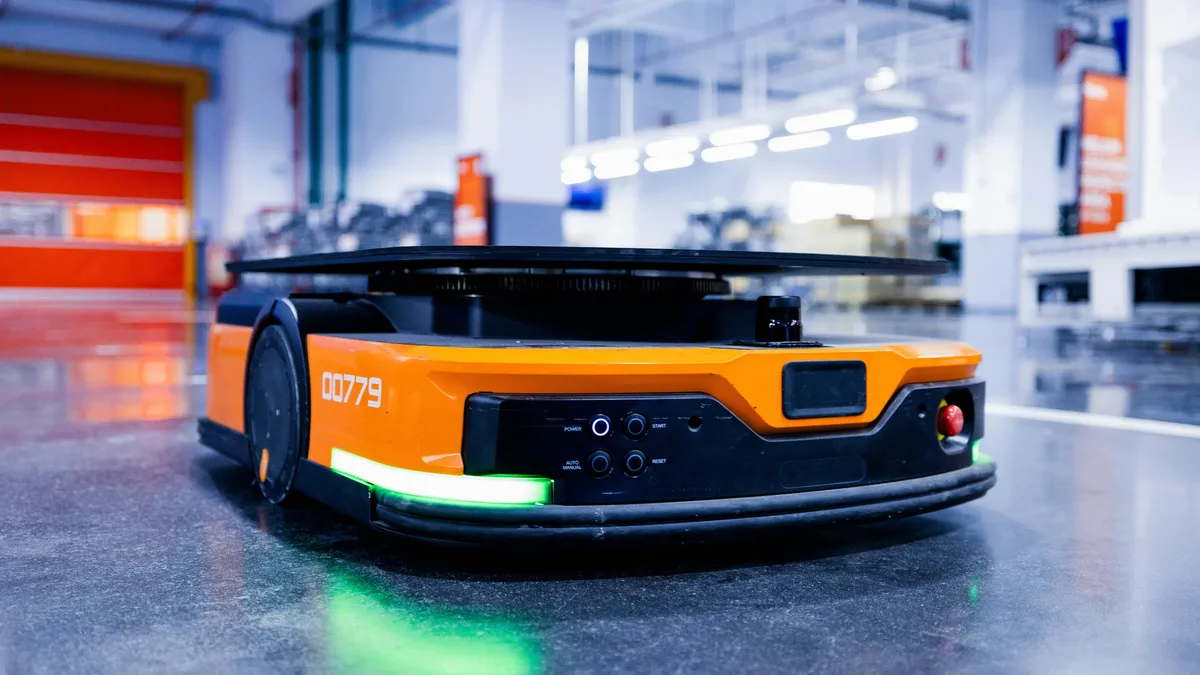
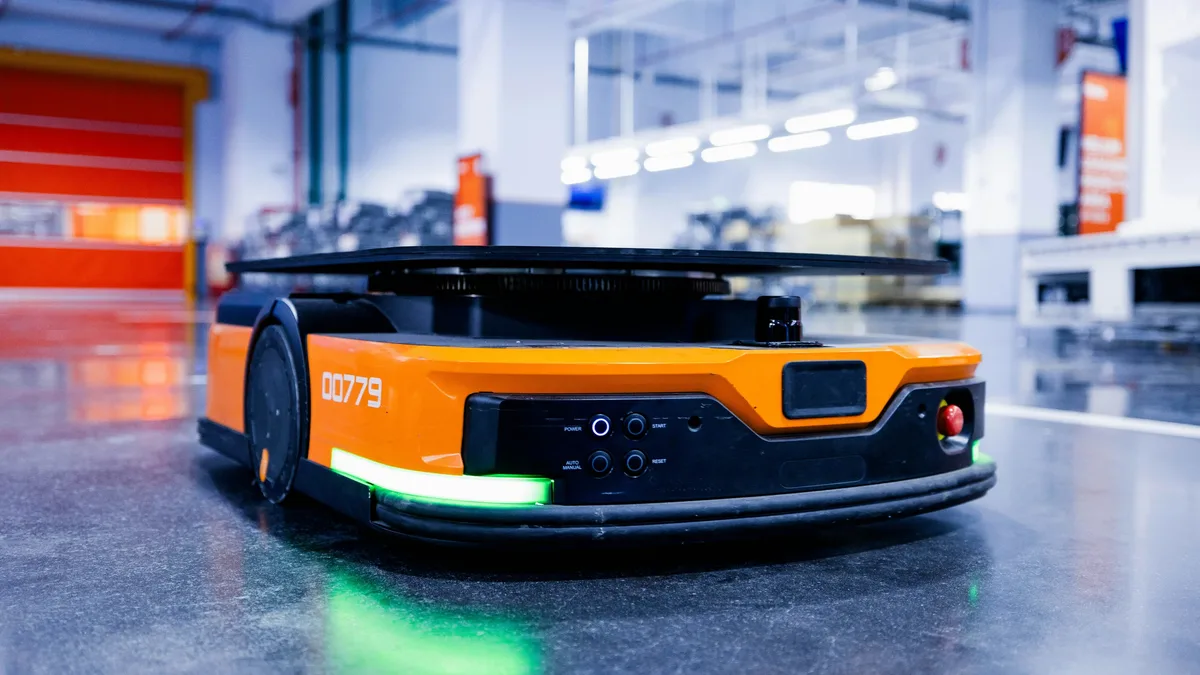
The Association for Advancing Automation (A3) has published ISO 21423:2026, a new international standard for communications among industrial mobile robots (IMRs) regardless of vendor or model. Developed by ISO Technical Committee 299, the standard establishes requirements for automated guided vehicles (AGVs), autonomous mobile robots (AMRs), and similar systems from different suppliers operating in the same facility.
It enables robots to share critical operational data with each other and with fleet managers. This data includes real-time location, speed, direction, condition, tasking, and availability.
Industry Demand and Strategic Value
Many leading industrial users of mobile robots have asked for an interoperability standard for years. Carole Franklin, A3’s director of standards development for robotics, explained the core demand. "Companies want to choose the robots that fit their applications and have those robots work together on the same floor," she said.
The standard responds to this sustained request. It provides a tool for companies to expand automation with equipment from different vendors and to make better use of existing robotic fleets. A key operational benefit is the reduction of cases where robots interfere with each other’s paths or path planning. This improvement directly boosts robot availability and overall system efficiency.
Technical Scope and Benefits
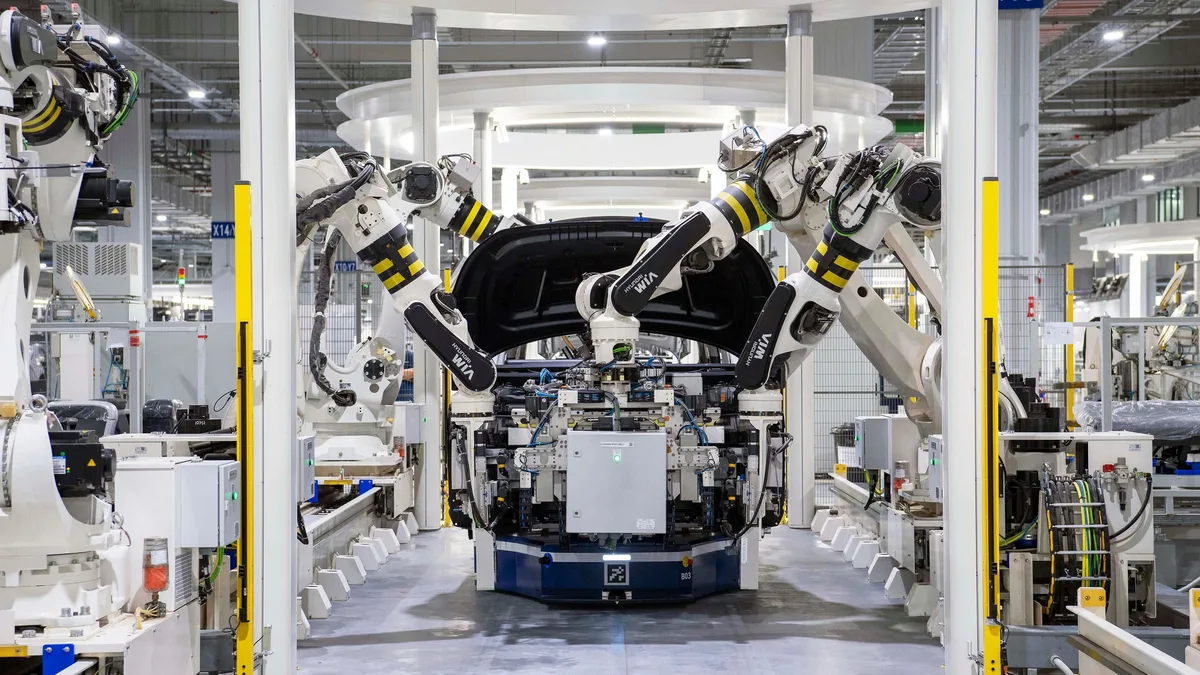
The technical scope of ISO 21423:2026 extends beyond robot-to-robot communication. It also covers communication with machines tended by robots, enterprise resource planning (ERP) tools, and industrial building systems. These systems include lifts, automated doors, and alarms.
By specifying how all these elements exchange information, the standard creates a unified operational layer. A3 states this integration reduces robot interference and path planning issues. The result is a more predictable and efficient material flow on the manufacturing floor. The framework also applies to mobile devices used by human workers, enabling safer and more coordinated work alongside robots.
Market Impact and Accessibility
The publication of ISO 21423 could increase market competition and support innovation in robotics deployment. With a common communication basis, manufacturers are no longer locked into a single vendor's ecosystem to achieve fleet coordination. This freedom encourages technological diversity and specialized application solutions.
The standard is available for immediate purchase, supporting rapid adoption. It can be bought through the A3 online store.
| Purchaser Type | Price |
|---|---|
| General Public | $373 |
| A3 Members | $320 |
A3 represents more than 1,500 manufacturers, component suppliers, system integrators, end users, and research groups worldwide. ISO 21423:2026 is the first non-safety robot standard that A3 has helped produce. Franklin highlighted the global reach of the new framework. "Now, ISO 21423 gives manufacturers and users a common basis for communication across fleets, no matter where in the world their facility is located," she said.
The association hosts several key industry events, including the International Robot Safety Conference in Detroit this November, the A3 Business Forum in Orlando next January, and the Automate show in Las Vegas in May 2027. The standard is available for purchase through the A3 online store for $373.