BMW expands regional battery supply network with new Gen6 contracts
BMW has signed new supply agreements with Samsung SDI for Europe and LG Energy Solution for the US to provide sixth-generation high-voltage batteries, reinforcing its 'local for local' manufacturing strategy.
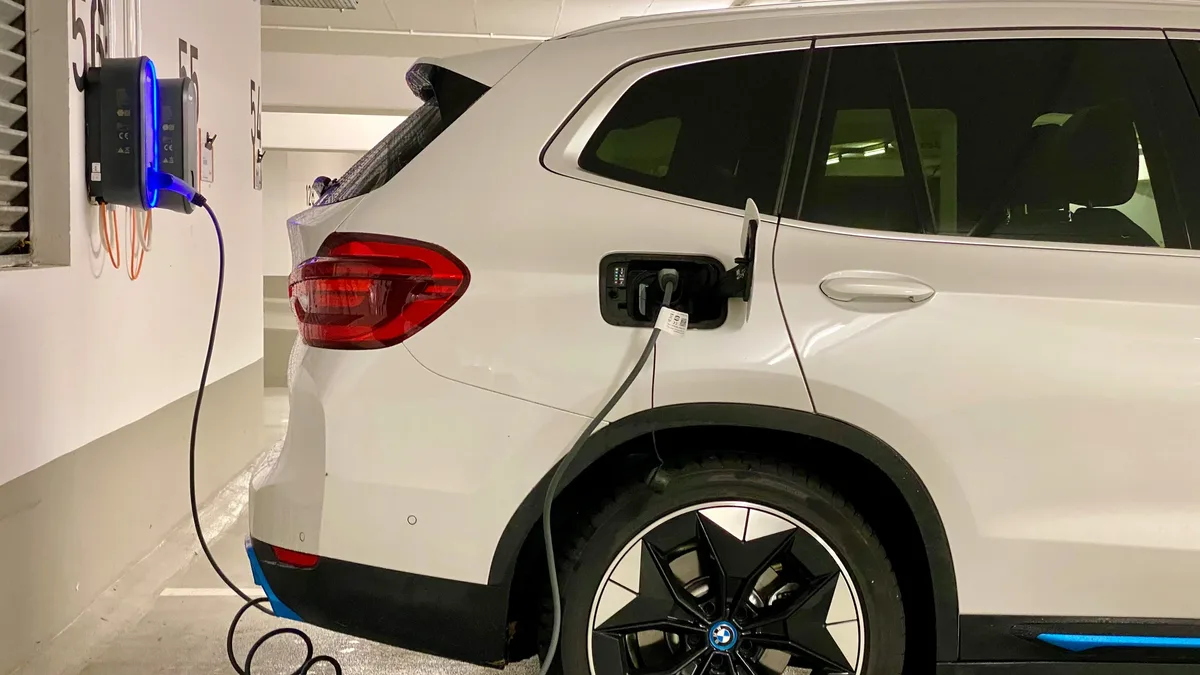
BMW has signed new agreements with Samsung SDI for Europe and LG Energy Solution for the US to supply its sixth-generation high-voltage batteries. The automaker announced the two new contracts on Monday, with supply from regional plants set to begin in the late 2020s.
Both suppliers will ship from existing regional plants, including BMW's new battery assembly facilities in Irlbach-Straßkirchen, Germany; Debrecen, Hungary; Shenyang, China; Woodruff, South Carolina; and San Luis Potosí, Mexico. LG Energy Solution will supply cells for North American EVs, while Samsung SDI will supply the European market.
Regional plants anchor new supply chain model
The new battery supply strategy relies on existing regional manufacturing sites across Europe, North America, and Asia to support localized production. BMW Group's Gen6 batteries are currently assembled at Irlbach-Straßkirchen, Germany; Debrecen, Hungary; Woodruff, USA; San Luis Potosí, Mexico; and Shenyang, China.
BMW is localising battery cell supply chains in Europe and the US as part of its 'local for local' sourcing strategy. The approach aims to shorten transport routes and improve supply security by sourcing cells in the same regions where cars are built. In Europe, BMW will now source cells from three suppliers: CATL, EVE Energy, and the newly added Samsung SDI.
Board emphasizes diversification for resilience
BMW's purchasing leadership states that diversifying suppliers and building regional capacity strengthens supply chain flexibility and competitiveness. Nicolai Martin, the board member responsible for purchasing, said diversifying procurement is an integral part of the company's strategy and ensures global competitiveness and local value chain operations.
Hendrik Lang, head of purchasing and quality for high-voltage batteries, stated the global partner network ensures resilient, flexible and competitive battery cell supply. Localizing cell production is capital-intensive. Its success depends on suppliers' willingness to build near BMW factories and a favorable regulatory climate.
Competence centers support local technology development
BMW operates dedicated battery competence centers in Munich, Parsdorf, and Salching to focus on cell innovation, manufacturing efficiency, and recycling. These centers are key to enabling regional supply chains.
The Battery Cell Competence Center in Munich explores future battery cell technologies. The Cell Manufacturing Competence Center in Parsdorf studies higher quality and maximum efficiency cell production. In Salching, the Cell Recycling Competence Center recovers raw materials for new battery production using an innovative direct recycling concept developed in partnership with Encory.
BMW is widening its battery supply bench to cut dependence on any single source. The move reflects a broader push by European and US automakers to lessen exposure to components sourced from China. The sixth-generation cells are large cylindrical cells 46 mm in diameter, offering about 20% more energy density than previous prismatic cells.
Establishing these localized battery supply chains requires significant investment. BMW recently completed a $1.7 billion project at its Plant Spartanburg in South Carolina, which included building the Woodruff battery plant. The company also invested roughly 650 million euros in upgrades at Plant Munich for EV production on the Neue Klasse platform. Internal combustion engine production at that plant will end by late 2027.
BMW will begin supplying Gen6 batteries from regional plants in Europe and North America starting in the late 2020s.