DOE Launches BattMan Consortium to Build U.S. Battery Supply Chain
The U.S. Department of Energy has launched the BattMan consortium, a multi-lab and university partnership aimed at establishing a domestic battery supply chain by 2030, as demand is projected to quadruple.
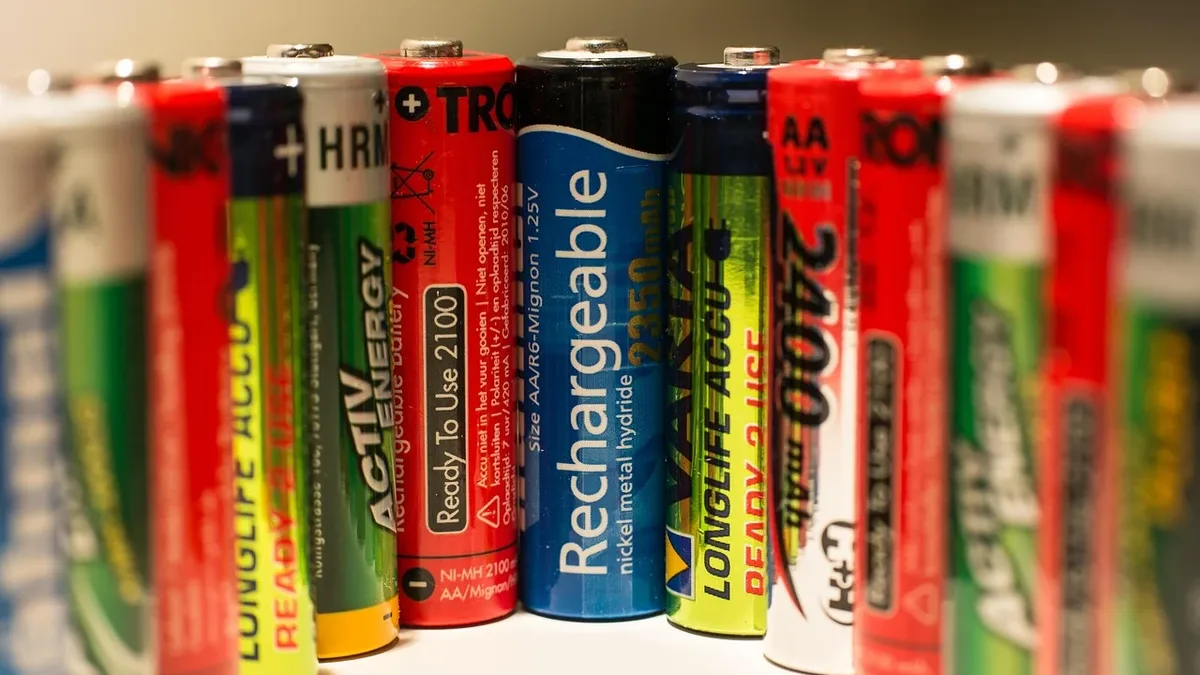
The U.S. Department of Energy launched the BattMan consortium on October 28 to speed development of advanced battery technologies. The initiative is a direct response to a projected quadrupling of U.S. battery demand and heavy reliance on foreign materials.
The BattMan consortium is led by the Pacific Northwest National Laboratory. It includes Argonne National Laboratory, Oak Ridge National Laboratory, the National Laboratory of the Rockies, and university partners. The department set a goal to complete a U.S. battery supply chain by 2030 and secure leadership in battery technology and manufacturing by 2035. BattMan will use a cost-focused research and development strategy that considers performance, manufacturability and scalability from the start.
Massive U.S. battery demand growth
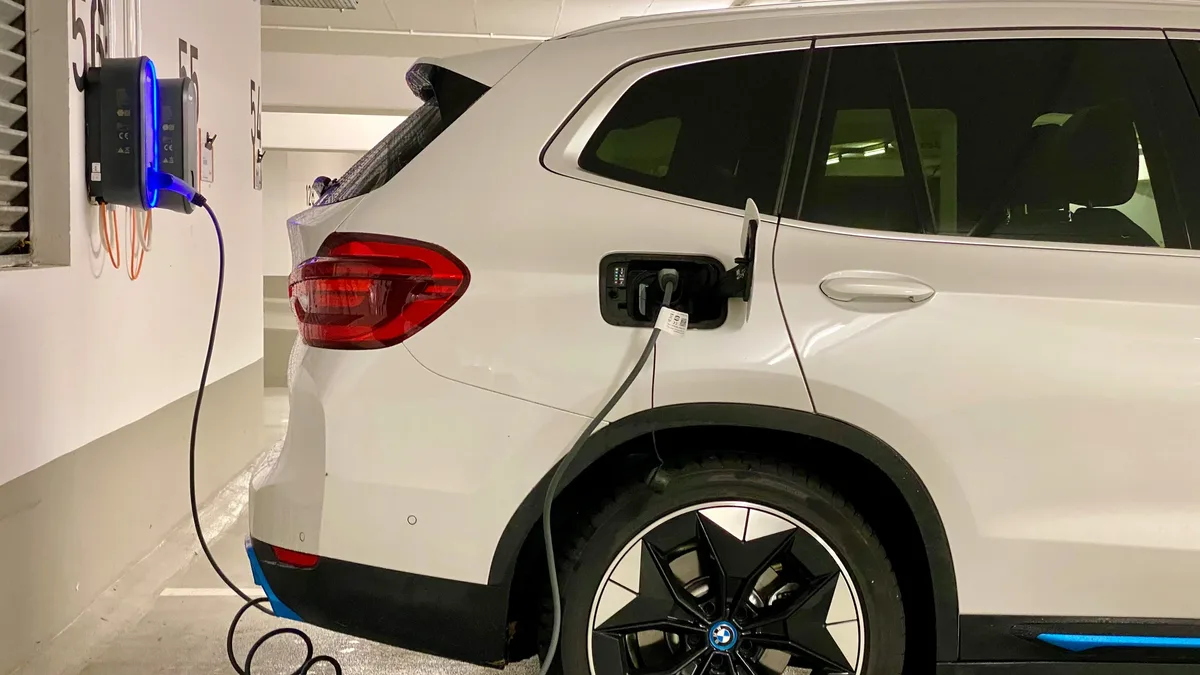
U.S. demand for batteries across transportation and grid storage is forecast to rise dramatically. It is projected to increase from 179 gigawatt-hours in 2025 to 707 gigawatt-hours in 2035. Recent investments in U.S. battery cell and pack manufacturing have not been matched by investments in precursor components. This has created gaps in the domestic supply chain that the BattMan consortium aims to address.
China dominates global battery materials production
China currently controls between 60% and 100% of global production capacity across critical stages of battery materials and component manufacturing. China and other Asian countries host nearly all global lithium-ion battery cathode, anode and separator manufacturing and nearly 93% of electrolyte manufacturing. The U.S. is heavily dependent on external trade partners, particularly China, for these materials. The Department of Energy states this dependence poses substantial supply chain risks.
DOE funding and strategic objectives
In August, the DOE announced $500 million in funding for seven projects to expand U.S. critical minerals processing, battery manufacturing and recycling. The BattMan consortium will advance three strategic objectives with this support. It aims to establish a complete mine-to-market domestic supply chain by 2030. It will develop new battery technologies that are more affordable, longer lasting, higher performing, and less reliant on critical minerals. Finally, it will scale deployment of advanced battery technologies in sectors critical to national security.
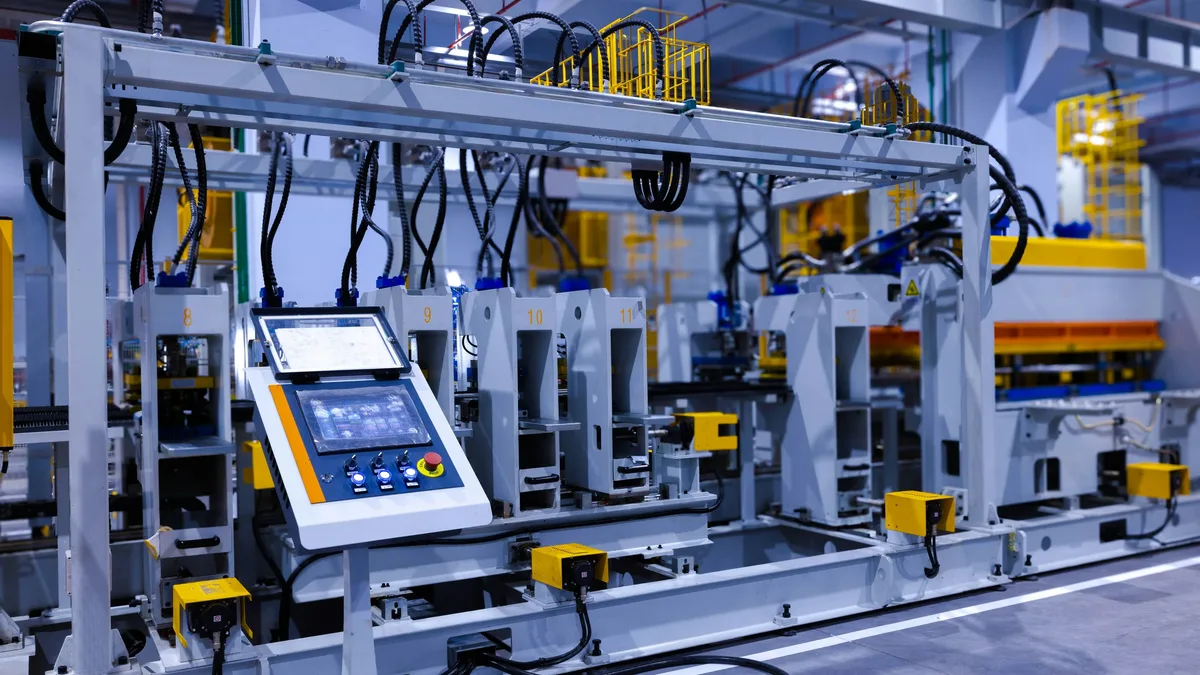
The consortium will broaden innovation beyond lithium-ion technologies using platform technologies applicable to all energy storage chemistries. It will also develop reliable, data-driven frameworks for validating emerging energy storage technologies. To modernize energy storage manufacturing, BattMan will employ AI-enabled digital twins and virtual factory models. Rocky Mountain National Laboratory will use artificial intelligence specifically to analyze battery defects and material differences affecting long-term performance.