Intel and Altera Collaborate on Edge AI Sensor-Bridge Systems
Intel and Altera are jointly developing modular, real-time sensor-bridge reference systems to help manufacturers simplify data integration for edge and physical AI applications in industries like robotics, healthcare, and aerospace.
Intel Corporation and Altera are jointly developing flexible, real-time sensor-bridge reference systems for edge and physical AI applications. The collaboration aims to help equipment manufacturers address the growing complexity of connecting and processing sensor data across demanding workloads.
Target industries and use cases
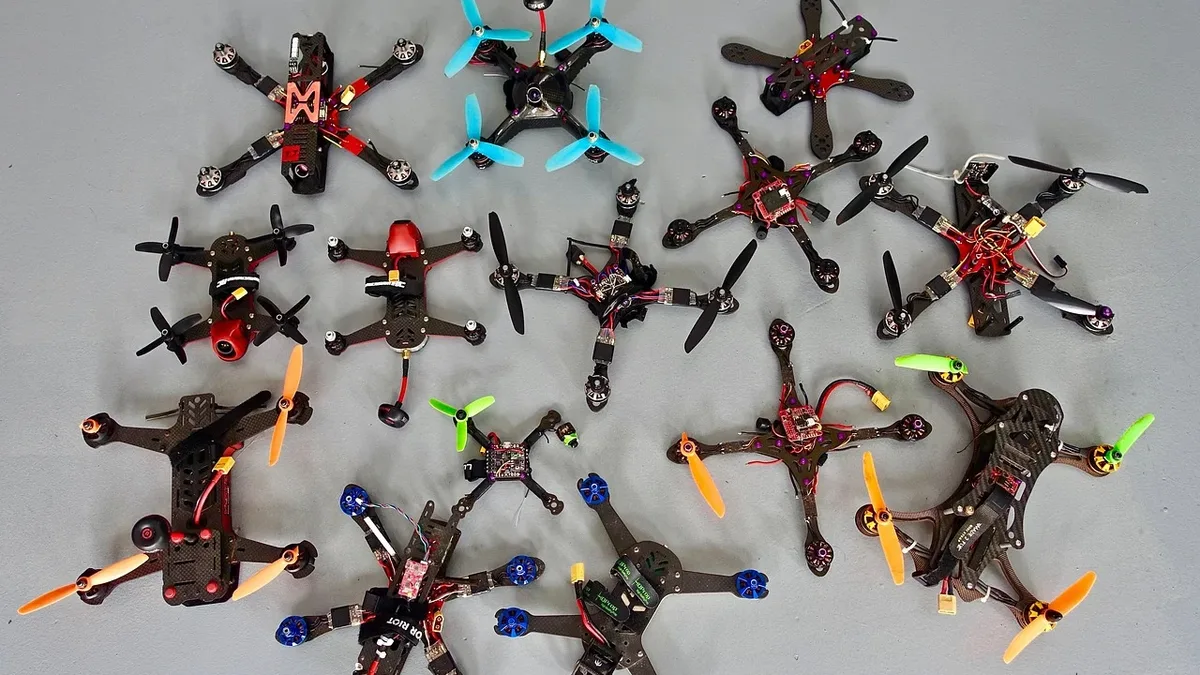
The collaboration targets Edge and Physical AI industries including healthcare, aerospace and defense, and robotics. In robotics, the companies plan to combine Intel compute, connectivity, and robotics software with Altera FPGA technology. This addresses the complex sensing, timing, and real-time processing needs of intelligent machines.
A separate reference system is being developed for the stringent latency and real-time requirements of advanced healthcare equipment. For aerospace and defense, the focus is on supporting next-generation mission systems. Solutions here prioritize size, weight, and power for converged AI and signal-processing workloads.
Modular reference solutions
Intel and Altera plan to address integration challenges through modular reference solutions. These combine Altera programmable hardware with a consistent Intel compute and software foundation. The goal is to give equipment OEMs greater flexibility as applications, sensors, and workloads evolve. It also aims to help them move efficiently from prototype to deployment.
The companies intend to help OEMs move faster from prototype by reducing integration complexity. They will address performance, power, and cost requirements across a range of edge applications.
Quotes from the leaders
Industry leaders highlight the need for simpler integration of real-world data into timely action. Farhad Shafai, Head of Business Solutions and Marketing at Altera, stated, "Physical AI systems have to sense, decide, and act in real time, and the physical world demands accuracy, reliability, and safety."
Dan Rodriguez, corporate vice president and general manager of the Edge Computing Group at Intel, echoed the focus on simplification. "As sensors multiply at the edge and through physical AI systems, our customers need a simpler way to turn real-world data into timely action," Rodriguez said. He added that the aim is to give OEMs a flexible foundation that simplifies integration and helps move faster from prototype to market deployment.
Intel and Altera intend to make resulting reference solutions accessible to developers through Intel's Open Edge Platform SDK and an Altera SDK.