Senate Advances Bipartisan Permitting Reform Bill
The U.S. Senate voted 73-25 to advance the Bipartisan American Affordability and Jobs Act, a permitting reform bill backed by manufacturers that aims to cut compliance costs and speed up infrastructure projects.
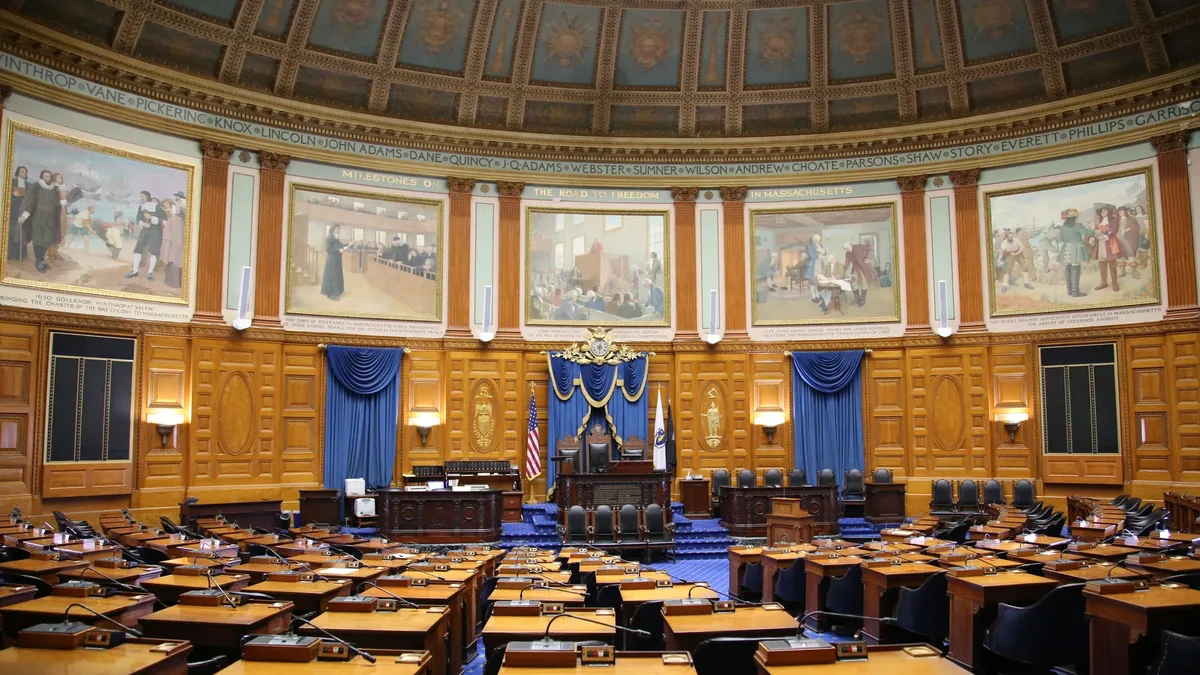
The Senate passed the Bipartisan American Affordability and Jobs Act, clearing a key procedural hurdle with strong bipartisan support. The 73-25 vote on November 9, 2026, exceeded the 60-vote threshold needed to open full floor debate on the legislation. The bill now moves to the House, where a vote is required within the next 54 days before the congressional session ends on January 3.
NAM Hails Legislative Breakthrough as Critical for Manufacturing Investment
The National Association of Manufacturers credited bipartisan cooperation and years of its own advocacy for the Senate's action. NAM President and CEO Jay Timmons had urged policymakers to advance the bill publicly. The organization intensified its efforts as the legislation took shape, bringing together more than 100 manufacturing and business organizations through its networks to build support. Senators involved acknowledged the bill is not perfect but stated it is necessary to secure bipartisan support and address permitting delays that affect a wide range of projects.
Permitting Costs Burden Manufacturers with $12B+ in Annual Losses
NAM research indicates that permitting-related costs burden manufacturers by more than $12 billion annually. Timmons stated that with $12.1 billion in annual costs at stake, the Bipartisan American Affordability and Jobs Act could save manufacturers $4.2 billion while still advancing environmental stewardship and community input.
Bill Includes Energy Infrastructure and Cost Implications
The legislation carries significant implications for energy infrastructure and costs. According to analysis by Grid Strategies, the bill includes provisions that would require data centers to pay $35 billion more for energy infrastructure over a decade compared to current law. Separate forecasts from the Rhodium Group project that average annual household electricity bills could be $50 to $78 lower by 2040 if the bill is enacted.
Environmental and Utility Groups Present Mixed Reactions
Reaction to the bill is divided. Environmental groups, including the Natural Resources Defense Council and the League of Conservation Voters, oppose it. They cite concerns that it could expedite fossil fuel infrastructure, limit legal challenges to permits, and impact environmental reviews and Tribal sovereignty. The NRDC stated that recent changes to the bill's project certainty section do not sufficiently alleviate concerns about hindering challenges to unlawfully issued permits.
In contrast, the Edison Electric Institute, which represents investor-owned utilities, endorsed the bill's revised transmission provisions. EEI president Drew Maloney said the group will work with federal and state regulators to implement the law, emphasizing priorities of grid reliability, cost protection for existing customers, and regulatory certainty. This utility support may bolster backing among House Republicans in several southeastern states where investor-owned utilities are influential. The bill now moves to the House for consideration before the session concludes.