Trump Launches 180-Day Trade Talks on Robotics and Machinery
President Trump has directed a 180-day trade negotiation on robotics and industrial machinery imports, citing a Section 232 finding that foreign reliance threatens U.S. manufacturing and national security.
President Donald Trump issued a proclamation on October 28, 2026, directing Commerce Secretary Howard Lutnick and U.S. Trade Representative Jamieson Greer to pursue trade negotiations on imports of robotics, industrial machinery, and related parts. The order sets a 180-day timeline for negotiations, requiring officials to report progress within that period. This action follows a Section 232 investigation which concluded that U.S. reliance on these imports threatens national security.
Section 232 Investigation Cites National Security Risks
A Section 232 investigation launched in September 2025 found that U.S. production of robotics and industrial equipment falls short of demand. The investigation concluded that this import reliance poses risks to the U.S. manufacturing base, national security, and long-term economic well-being. Robotics and industrial machinery are described as critical to defense, commercial, and dual-use manufacturing processes. The security rationale cites robots routinely processing and storing sensitive data, with military applications including reconnaissance and mine-clearing.
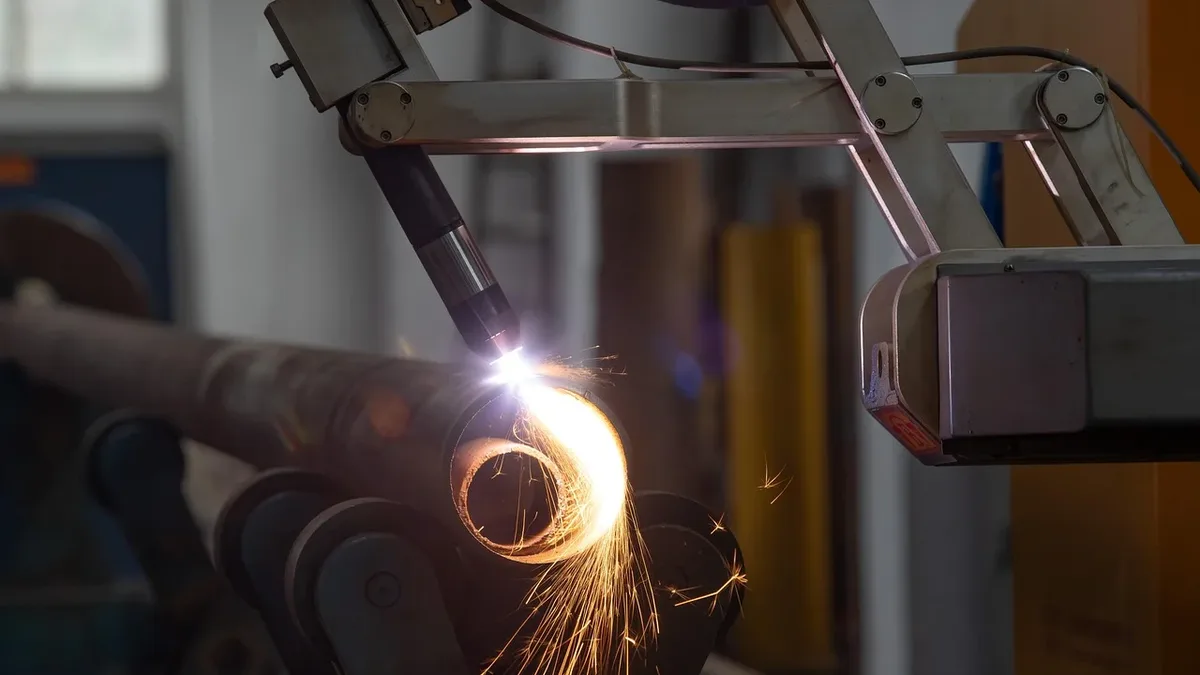
The proclamation states U.S. reliance on foreign robot imports is high, with $7.1 trillion in 2024 manufactured goods shipments and $86 billion in equipment production. The order covers a broad range of equipment, including CNC mills, welding robots, and other computer-controlled mechanical systems, but excludes unmanned aircraft systems. The investigation began with a Federal Register notice on September 2, 2025, covering robots and mechanical systems from CNC machining centers to laser-cutting equipment.
FCC Restrictions Highlight Cybersecurity Concerns
Cybersecurity concerns are a central theme. The White House has warned that imported robotics could introduce significant vulnerabilities, potentially enabling surveillance or remote commandeering. In July 2026, the Federal Communications Commission barred imports of new models of Chinese robots and power inverters due to data security risks, while allowing existing models of humanoid and quadruped robots to be imported. The FCC stated that robots collect data that could be leveraged by malign actors to surveil Americans or enhance foreign intelligence capabilities.
A Pattern of Section 232 Trade Negotiations
This proclamation marks the third time in recent months that Trump has used Section 232 to initiate trade talks instead of imposing immediate tariffs. It is the second such action in October 2026, following a similar order for wind turbine imports. In July 2026, Trump directed trade negotiations on commercial aircraft, jet engines, and parts. Earlier, in January 2026, he pushed for trade discussions on semiconductor imports while installing a 25% tariff on a narrow range of chips.
Industry reaction has been noted. Brendan Schulman called the proclamation another strong signal of government support for those working on developing and expanding domestic supply chains for robots. Robert Little stated that the United States still had limited industrial robot manufacturing capacity.
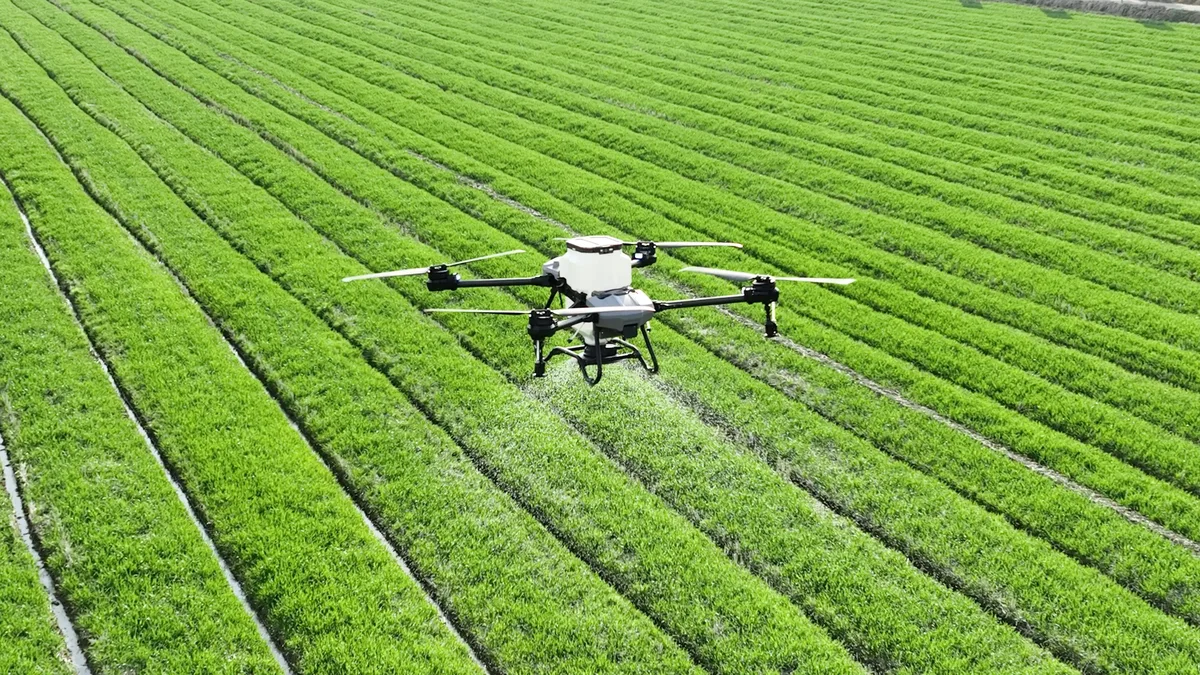
Drones are subject to a separate, existing Section 232 order with its own tariff schedule. The current drone tariffs are 25% on most drones, 100% on drones over 25 kg or critical components, and 15% on EU/Japan-supplied drones. A third tier of drone components takes effect on February 9, 2027.
The robotics proclamation does not impose tariffs immediately but allows for future duties, quotas, or fees based on negotiation outcomes. It warns that if negotiations fail, Trump may impose tariffs, duties, quotas, or fees on robot imports. Section 232 permits action if no agreement is reached by the deadline. Negotiations must report progress to Trump by April 26, 2027, with potential tariff implementation if no agreement is reached.