U.S. Declares Robotics Imports a National Security Threat
A Section 232 investigation has concluded that imported robotics and industrial machinery threaten U.S. national security, triggering a 180-day negotiation window. The move follows $7.1 trillion in 2024 manufactured goods shipments and aims to spur domestic production despite recent investments by major foreign manufacturers.
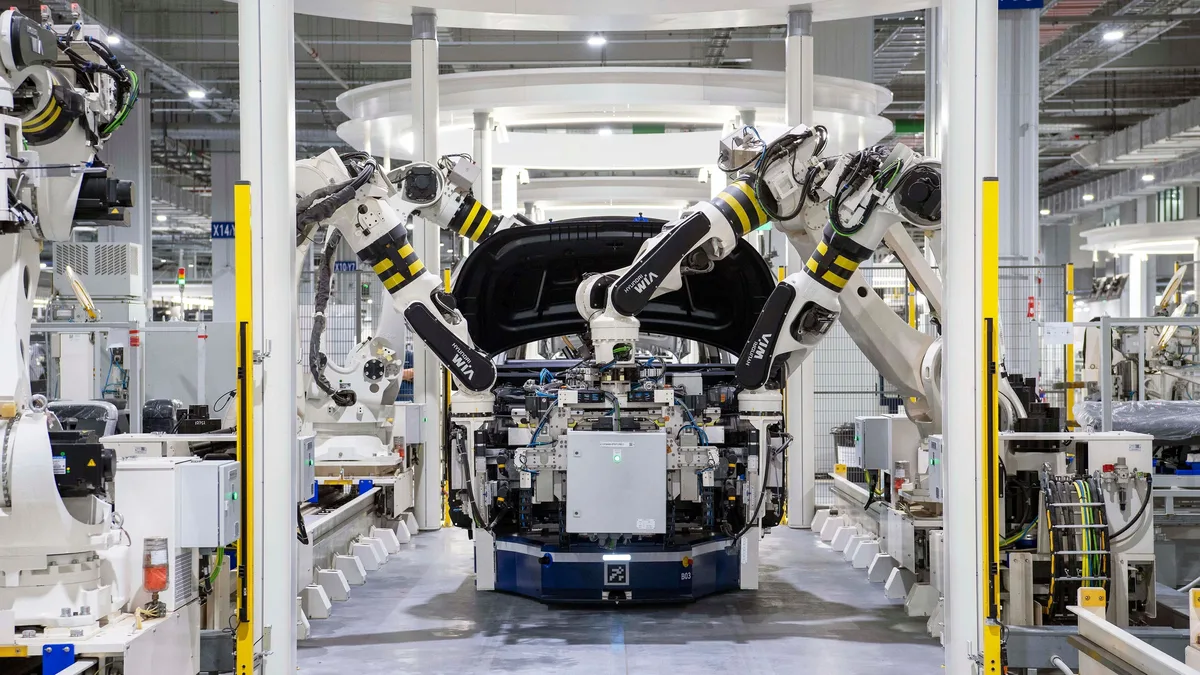
The U.S. government has determined that imported robotics and industrial machinery pose a threat to national security, prompting a formal investigation under Section 232. President Donald J. Trump made the determination on October 28, citing the critical role of such equipment in defense, commercial, and dual-use manufacturing. The value of imported systems has grown over the past decade, and cybersecurity risks have also grown, according to the secretary of commerce. The United States remains highly dependent on foreign imports for most types of robots and industrial machinery.
This dependence could threaten national defense, critical infrastructure and manufacturing competitiveness. Nearly all modern defense systems and critical infrastructure depend on such equipment to operate. Advanced robots, such as autonomous robots, humanoid and quadruped robots, and autonomous ground vehicles, provide direct support to the U.S. military. The investigation, which took more than a year, covered a broad scope including programmable computer-controlled mechanical systems, industrial stamping and pressing equipment, machine tools, and laser-cutting machinery.
Investment and capacity gaps
Major robot manufacturers have announced U.S. investments, but domestic production remains insufficient to meet demand for critical components and finished systems. Firms including FANUC, Teradyne Robotics, and Yaskawa have announced investments aimed at expanding U.S. robot manufacturing. Investments in U.S. robotics production capacity have increased but are not sufficient to meet U.S. demand. Today, we still have limited industrial robot manufacturing in the U.S. Domestic capacity is insufficient to meet rising demand.
What concerns me most are the gaps in our domestic supply of components for robotics and industrial machines: sensors, actuators, precision gears, encoders and more. This is where we need the most help to strengthen America's ability to manufacture. U.S. domestic supply capacity cannot fill the demand for most robots and industrial machinery in the short term. Robert Little, former chief of robotics strategy at Novanta Inc. and a 2026 robotics award honoree, concurred that robotics are critical for any country rebuilding its manufacturing. He said, "Robotics are critical for any country rebuilding its manufacturing. I'm thinking, what took so long to make this a priority?"
Policy path and negotiation window
The president has directed negotiations with trading partners over the next six months, temporarily shielding U.S. manufacturers from immediate tariffs while the government assesses supply-chain risks. Trump directed the executive branch to negotiate with foreign governments instead of launching tariffs immediately. The decision temporarily shields many U.S. manufacturers that rely heavily on foreign supply from tariff shocks. The U.S. Department of Commerce and the U.S. Trade Representative were directed to jointly open consultations with trading partners.
The relevant agencies must report on the progress of the talks within 180 days. The outcome of negotiations over the next 180 days will be the key indicator of whether the United States further tightens imports of robots and industrial machinery. If negotiations fail, tariffs remain an option on the table. The Commerce Department will continue to monitor import flows and may recommend further action. This shouldn't be read as a new robotics tariff today, but it is a clear indication of the direction of travel.
Implications for U.S. manufacturing
The outcome of upcoming negotiations will determine whether tariffs are imposed, how quickly domestic supply can grow, and the impact on procurement costs and reshoring goals. If tariffs, quotas or other trade measures follow, they could have meaningful implications for supplier competitiveness, pricing, and manufacturing localization in the U.S. Imposing tariffs on imported equipment now would directly raise corporate spending on machinery procurement, production line setup and capacity expansion. Tariffs could drag down the policy goal of reshoring manufacturing.
Foreign suppliers and U.S. buyers alike will have to keep a close eye on subsequent policy changes. Procurement costs, equipment supply and multinational supply-chain arrangements are unlikely to be settled in the near term. The Trump administration's choice to negotiate first reflects Washington's dilemma between supply-chain security and manufacturing costs. The government has explicitly identified its reliance on imported robotics and industrial machinery as a national security concern and is seeking to strengthen domestic production.
The 180-day negotiation period will determine whether the U.S. tightens robotics imports or maintains current supply-chain arrangements.