D.R. Horton Partners with Promise Robotics to Scale Homebuilding Automation
D.R. Horton, the largest U.S. homebuilder by volume, has signed a multi-year agreement with startup Promise Robotics to use its Factory-as-a-Service platform for producing over 1,250 homes, aiming to address labor shortages and improve construction consistency through AI and robotics.
D.R. Horton has entered a multi-year agreement with Promise Robotics to use its Factory-as-a-Service platform for homebuilding. The nation's largest homebuilder by volume will access the startup's integrated robotic manufacturing system to support the construction of more than 1,250 homes in the U.S. Promise Robotics announced the commercial agreement on October 13, 2026.
Brad Conlon, D.R. Horton's senior vice president of strategic innovation, said the platform provides a new capability to support goals of improving cycle times, increasing capacity, and consistency. Promise co-founder and CEO Ramtin Attar stated the deal emphasizes the power of the startup’s platform. The Toronto-based construction tech firm offers a model that enables builders to access production infrastructure without the cost and risk of developing it themselves.
Technology and Process
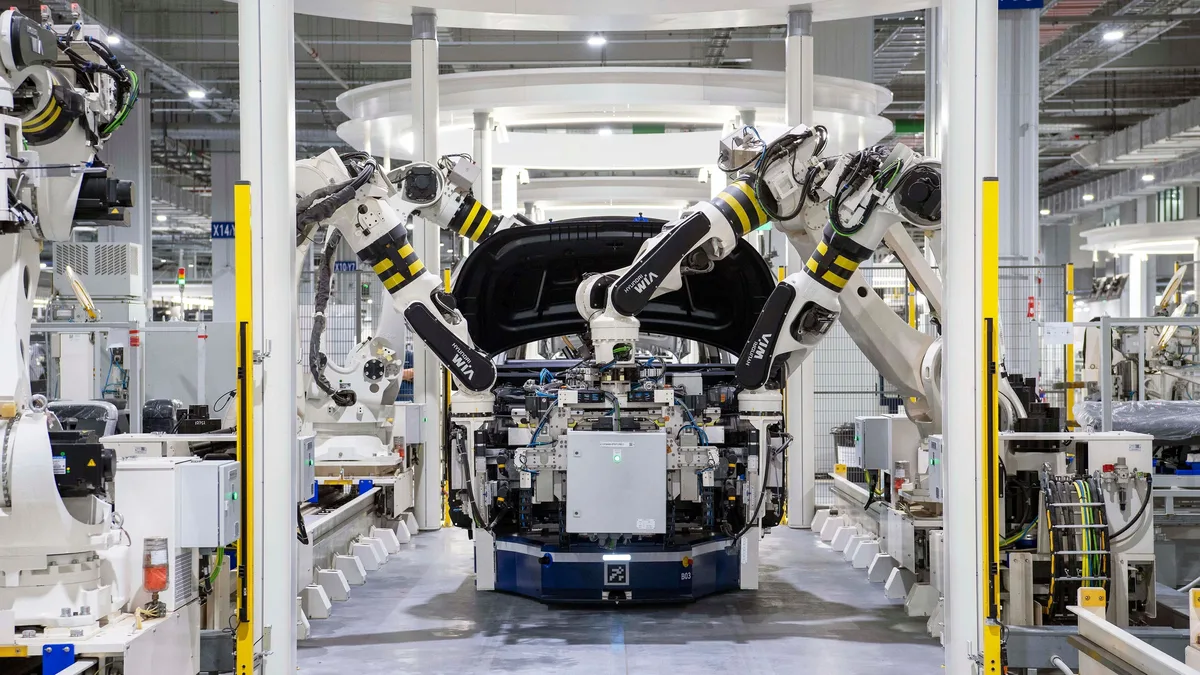
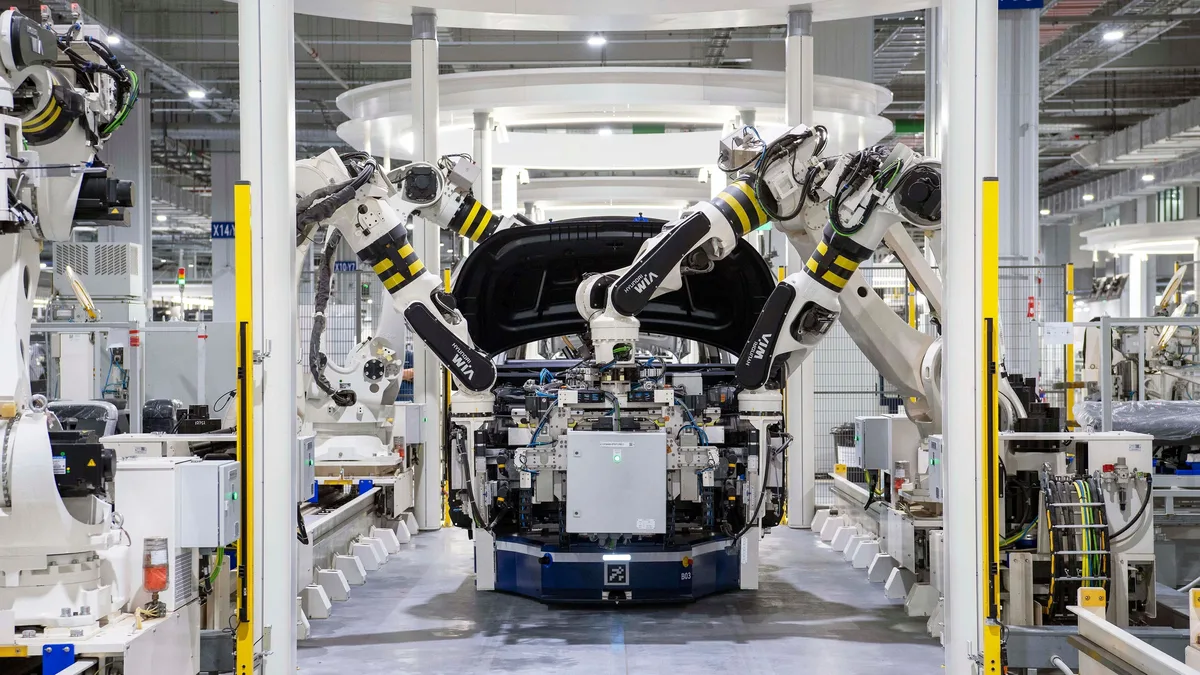
Promise Robotics’ platform integrates AI, robotics, and software to automate the manufacturing of structural home components like walls, floors, and stairs. The process begins with a homebuilder's existing architectural designs. Software converts these into manufacturing-ready models, then sends instructions to local factories where automated systems produce the components.
The system uses robot-agnostic software, cloud-based simulations, and KUKA industrial robot arms. Its tech stack includes computer vision and large language models for data preparation. For every home built, the system generates 300 new images and 5,000 new tactile data points.
Trained installation crews then assemble the components. The system can assemble the framing for a typical 1,800-square-foot, two-story house with a basement and garage in about eight hours. A more complex duplex project generally requires two to two-and-a-half hours for framing assembly. These figures describe assembling the structural framework, not completing an entire home.
Promise manufactures large components, including walls up to 20 feet and floors up to 45 feet, along with pre-built stair cages. The company's sweet spot is townhomes of three to four stories. It can build the structural shell for a two-family home with two stories, a basement, and a garage in one day, excluding utilities and finishes. That process typically takes two to three weeks without automation.
The system can be set to comply with local building codes. For example, in Phoenix, it requires 50% less sheeting and different bracing compared to operations in Canada. Promise is setting up initial Factory-as-a-Service facilities in Edmonton, Calgary, and Phoenix.
Business Model and Strategy
Promise Robotics operates a Factory-as-a-Service model that reduces upfront costs for builders, generates positive margins, and plans to scale across multiple customers using shared infrastructure. The company analyzes a builder's product portfolio and local supply conditions before agreeing to a volume schedule.
The initial committed volume is called an 'anchor volume.' Promise offers increased volume every six months as factory throughput increases. The company plans to serve other builders using the same manufacturing infrastructure to spread fixed costs. D.R. Horton operates with a decentralized structure, so successful adoption requires working directly with local operating teams.
Promise's strategy includes narrowing its initial product offering, minimizing inventory, and shortening payment cycles. The company is paid frequently as projects progress, limiting working capital exposure. Ramtin Attar stated, 'Now every project that Promise produces, we actually are margin positive.'
The announcement did not disclose the agreement's dollar value, factory capital costs, or per-home savings. Promise's longer-term ambition is to make factory expansion less reliant on venture capital. It has investors including AI funds and pension capital. The company intends to pursue conventional financing backed by factory operations as they prove sustainable and is exploring arrangements where builders could contribute capital for equipment.
Industry Context
The partnership addresses labor shortages in residential construction by shifting framing tasks to automated facilities, though skilled trades remain essential for completion. Stepped-up federal immigration enforcement is disrupting an already strained workforce. Builders in some markets have experienced severe losses of available trade crews, leading to framing delays, missed completion dates, and higher costs.
Even with weaker housing demand reducing overall activity, skilled labor for finishing homes is becoming less dependable in affected markets. Shifting labor-intensive framing to AI-orchestrated manufacturing could reduce exposure to unpredictable jobsite labor and improve consistency. The technology cannot eliminate the need for skilled trades nor erase the broader workforce crisis.
Scaling and Proof Point
The initial target of 1,250 homes serves as an anchor volume to prove scalability, with potential for increased output as factory throughput grows. This volume provides D.R. Horton an opportunity to test a different production model without assuming the full capital and operational responsibilities of owning robotic facilities. For Promise Robotics, it is a foot-in-the-door proving ground and a concrete measure of scalability for its physical AI platform.