Additive Machine Builders
Origin and history
Additive Machine Builders is a North American industrial movement and methodology that emerged in the early 21st century. Its development is closely tied to the proliferation of industrial-scale additive manufacturing technologies, commonly known as 3D printing. This approach arose from a need to move beyond prototyping and use additive techniques for the direct fabrication of end-use machine components and complete functional systems. The philosophy was championed by a coalition of manufacturing engineers, machine designers, and software developers seeking to exploit the design freedoms of additive processes. It represents a fundamental shift from traditional subtractive (milling, turning) and formative (casting, forging) manufacturing paradigms for machinery construction. The movement gained significant momentum in the 2010s as metal additive manufacturing systems achieved the necessary reliability, material properties, and build volumes for industrial applications.
What it is for
The primary purpose of the Additive Machine Builders methodology is to design and fabricate functional industrial machinery, or critical subsystems thereof, using additive manufacturing as the core production process. It is specifically for creating machines where complex internal channels, integrated cooling, lightweight lattice structures, or part consolidation are paramount to performance. This approach is deployed to build specialized fixtures, custom end-effectors for robotics, and fluid handling systems with optimized internal geometries impossible to machine conventionally. It serves to reduce assembly time and part count by consolidating multiple components into single, complex printed assemblies. Furthermore, it is for the rapid iteration and deployment of bespoke machinery in research, development, and low-volume production environments where traditional tooling would be prohibitively expensive or slow. The methodology ultimately aims to unlock new machine designs that offer superior efficiency, reduced weight, and novel functionalities.
Overview
Additive Machine Builders is an integrated process encompassing design, simulation, printing, post-processing, and validation specifically for machinery. The process begins with a design-for-additive (DfAM) phase that fundamentally rethinks machine components to leverage geometric freedom, often using generative design software. Components are then digitally validated through finite element analysis (FEA) and computational fluid dynamics (CFD) simulations to ensure they meet structural and thermal requirements in their as-printed state. On the factory floor, the process involves preparing the digital build file, setting up the industrial 3D printer with the appropriate metal or high-performance polymer powder or filament, and initiating the layer-by-layer build, which can span days for large parts. Critical post-processing steps, such as stress relief heat treatment, support structure removal, and precision machining of critical interfaces, are mandatory to achieve final tolerances and material properties. The final stage involves assembling the printed components, integrating purchased standard parts like bearings and motors, and conducting functional testing of the complete machine or subsystem.
What to know
A factory investing in the Additive Machine Builders process is committing to a high capital expenditure for industrial-grade additive systems, post-processing equipment, and specialized design software. The material selection is crucial, as the available palette of printable alloys and polymers with certified mechanical properties dictates the machine's performance envelope and service life. Understanding the anisotropic nature of additively manufactured parts, meaning their strength can vary depending on print orientation, is essential for load-bearing components. Secondary machining operations are almost always required to achieve precise seals, bearing fits, or threaded connections, meaning traditional machining centers remain a necessary part of the factory floor. Facility requirements extend beyond the printer itself to include powder handling systems (for metal), dedicated post-processing areas for heat treatment and surface finishing, and rigorous quality control and non-destructive testing stations. Successful implementation also demands a significant investment in personnel training for DfAM, machine operation, and the unique safety protocols associated with high-energy printing processes and fine metal powders.
Common questions
A common question is whether additively built machines are as strong and durable as those made from forged or machined billet material. Another frequent inquiry concerns the economic viability, asking at what production volume additive construction becomes cost-effective compared to traditional methods. Many ask about the limitations in maximum part size, as the build volume of industrial printers restricts the dimensions of any single printed component. Questions often arise regarding the surface finish and whether the layered structure or partial sintering of materials creates porosity that could lead to fatigue failure under cyclic loads. Operators commonly want to know how to design for and manage the internal support structures required during printing, which must be removed and can affect final part quality. There is also considerable interest in the lead time comparison, questioning if the reduced need for tooling truly accelerates the overall timeline from design to functional machine despite potentially long print times.
Pros and cons
This can lead to machines with higher performance and efficiency. A significant con is the high initial and ongoing cost, encompassing expensive equipment, costly specialized materials, and intensive energy consumption, which can negate the per-part savings for many applications. The process also introduces new failure modes; improperly processed powder, layer adhesion issues, or residual stress can create catastrophic weaknesses not found in wrought materials. A common mistake is underestimating the expertise and time required for post-processing, which can account for the majority of the part's final cost and lead time. Those who regret choosing this path are often operations that attempted to apply it as a direct replacement for conventional machining of simple parts without redesign, resulting in inferior parts at a higher cost. The technology suits bespoke, high-value applications but struggles to compete on pure unit economics for standardized, high-volume machine components.
Who it suits
This process optimally suits research institutions and development labs that require highly customized, one-off experimental apparatuses where performance parameters outweigh cost considerations. It is well-suited to aerospace and motorsport engineering teams building machines where extreme lightweighting and integrated cooling provide a decisive competitive advantage. Industrial companies manufacturing low-volume, high-mix specialty machinery, such as equipment for pharmaceutical processing or semiconductor fabrication, can justify the investment. It also suits forward-thinking factories aiming to establish internal rapid tooling and fixture fabrication capabilities to increase agility on their main production lines. Organizations with strong in-house engineering teams capable of mastering DfAM and the full digital thread, from simulation to validation, are prime candidates. It is less suited to high-volume production of commodity machinery, cost-sensitive consumer goods manufacturing equipment, or operations lacking the capital and technical depth to sustain the required ecosystem.
Latest Additive Machine Builders news
Latest reporting
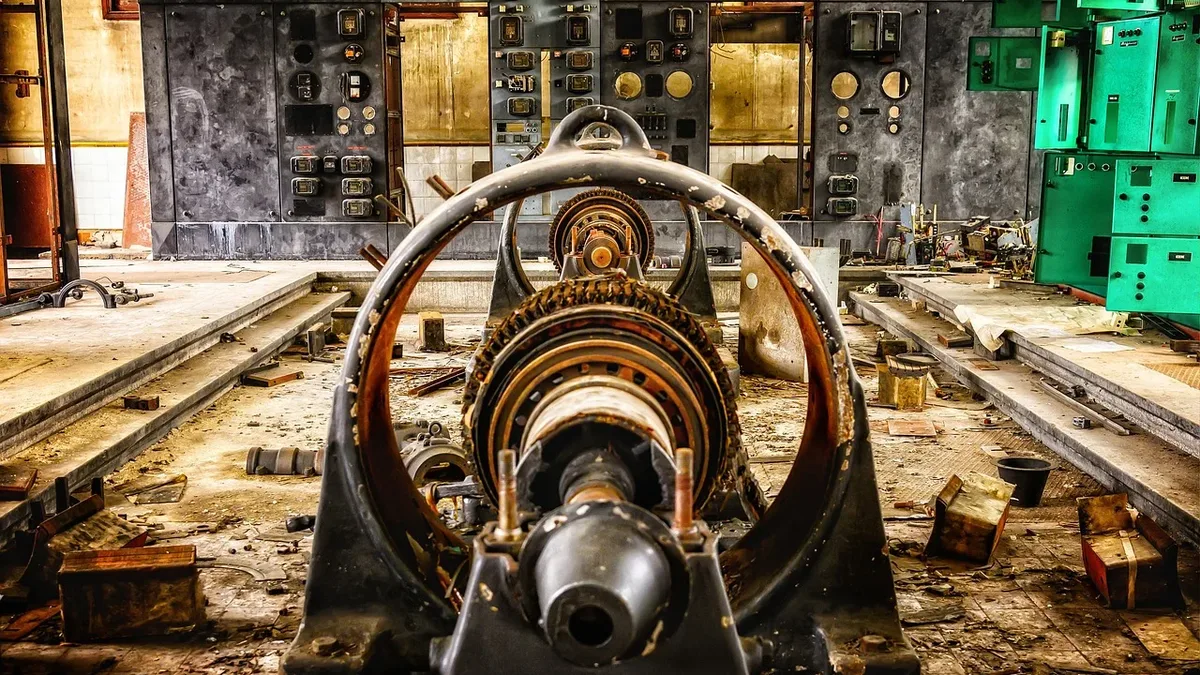
GAM Engineer Explains When Rack and Pinion Beats Ball Screws
A GAM design engineer details the technical trade-offs between rack and pinion, ball screws, and linear motors for long-travel machine axes...
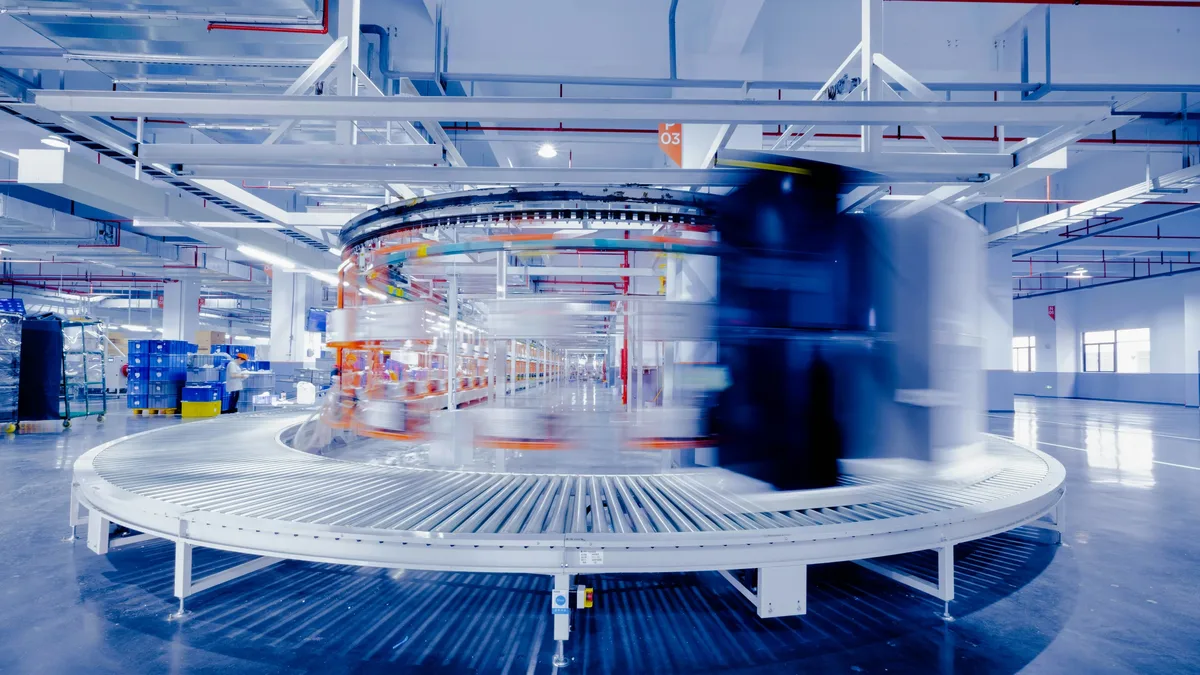
Winton Machine CEO on Starting a Manufacturing Business
Lisa Winton, CEO of factory automation firm Winton Machine, advises aspiring manufacturers to seize opportunities and use available resources, citing...
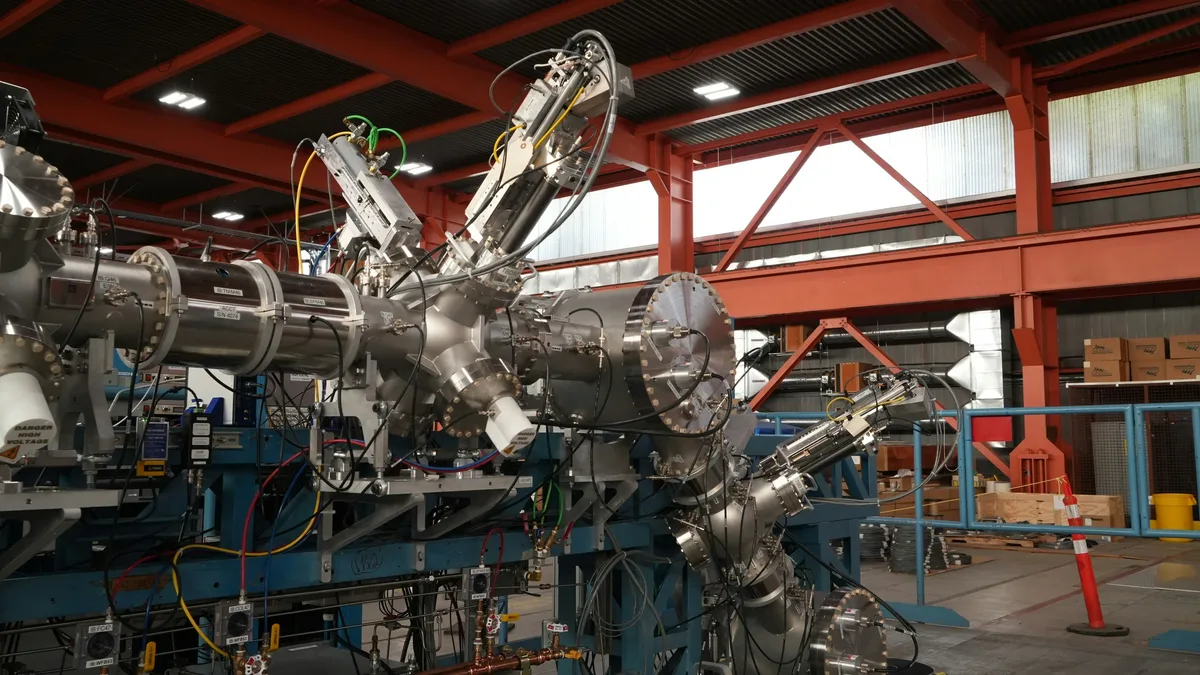
Optimizing Motion Systems for High-Voltage Environments
Motion system designers face the challenge of creating effective systems for high-voltage environments without introducing unnecessary complexity...