Optimizing Motion Systems for High-Voltage Environments
Motion system designers face the challenge of creating effective systems for high-voltage environments without introducing unnecessary complexity. Kollmorgen suggests that not every axis within a machine needs to be designed to the same high specification, and that a more measured approach can be beneficial.
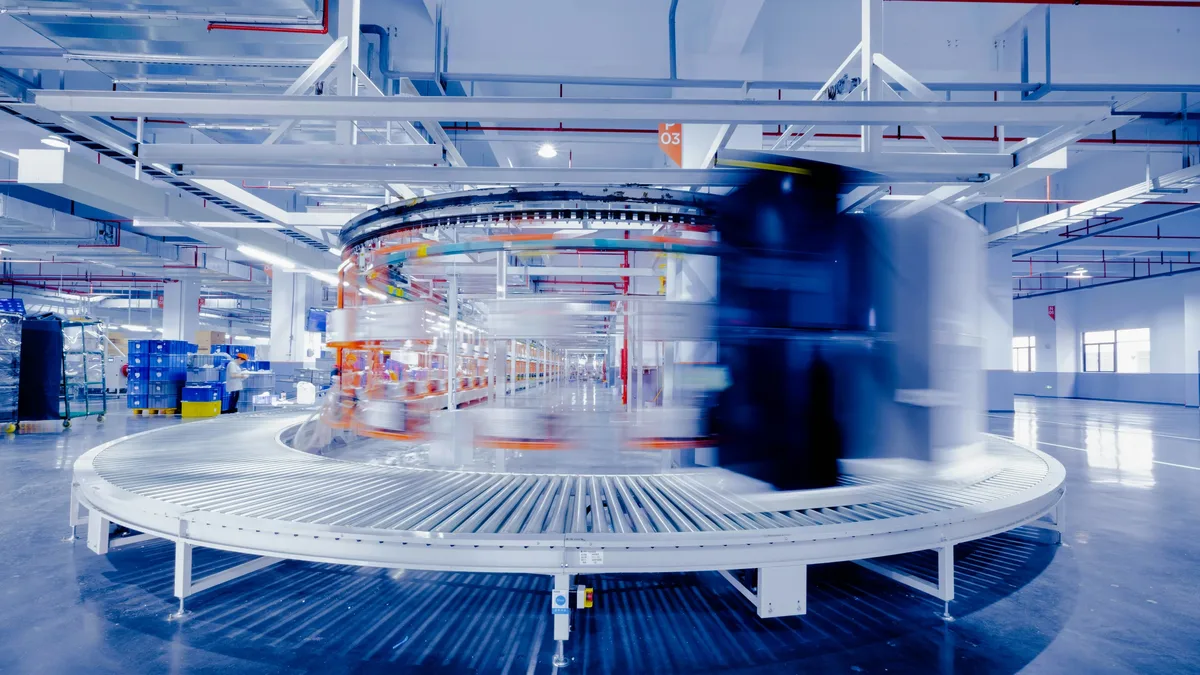
In industrial facilities where 400-480V three-phase power is standard, machine builders often assume that operating in high-voltage environments requires stepping up to a more complex, higher-spec motion system. However, this may not always be the case.
## Challenges that come with scaling motion systems
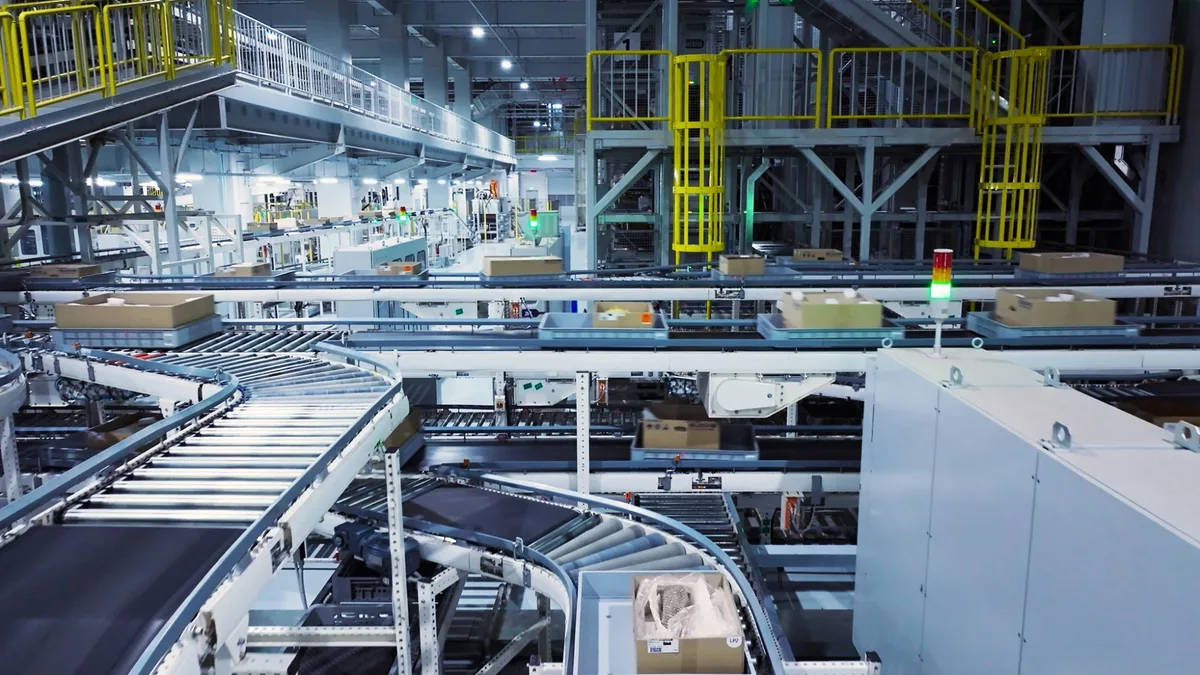
Large manufacturing plants, automotive production lines, logistics hubs, and high-throughput packaging facilities are typically built around 400-480V infrastructure. Introducing lower-voltage systems into these environments can add unnecessary complexity, requiring additional components such as transformers and extra protection hardware.
| **Voltage Range** | **Infrastructure** | | --- | --- | | 400-480V | Standard industrial power | | 120-240V | Medium-voltage applications |
Historically, working within high-voltage environments has often meant moving toward more complex motion platforms designed for maximum performance. However, these systems are not always the best fit for every part of the machine.
## What is the cost of complexity?
This question reflects a broader shift in how motion systems are evaluated. Performance metrics like torque and speed still matter, but they're no longer the only factors that define a good solution. Engineering time, ease of integration, and long-term usability are becoming just as important.
More complex systems tend to demand more from the people working with them. They take longer to configure, require more specialist knowledge, and can be harder to troubleshoot when something goes wrong.
## How to achieve high voltage without high complexity
To support a more measured approach, motion suppliers are beginning to rethink how to structure platforms. Kollmorgen's Essentials system is a good example of this. Originally developed as a simplified, cost-effective motion solution for medium-voltage applications, the product line has now been expanded to include high-voltage options.
| **Product Line** | **Voltage Range** | | --- | --- | | Essentials | 120-240V, 400-480V | | High-end solutions | 400-480V |
The Essentials system is designed to reduce the time and effort required to specify and commission a motion system. Pre-matched motors and drives simplify selection, while a focused range of options helps engineers avoid unnecessary complexity.
## Take a more flexible approach to voltage and motion design
As automation continues to expand into larger and more varied environments, this kind of flexibility will only become more important. Machine builders are being asked to deliver systems that are not only capable, but also efficient to design, build, and maintain.
In that context, the most effective solutions are not necessarily the most powerful or the most advanced. They are the ones that fit the application closely and make the best use of the infrastructure already in place.
High-voltage operation has long been a foundation of industrial automation. The challenge now is to ensure that motion systems take full advantage of that foundation - without adding unnecessary complexity along the way.