Agricultural Equipment
Origin and history
The development of specialized agricultural equipment is intrinsically linked to the Neolithic Revolution, when the first simple tools for tilling soil and harvesting crops were created. The modern era of mechanized agricultural equipment, however, began in Europe and North America during the late 18th and early 19th centuries. The Industrial Revolution provided the necessary metallurgical and engineering advancements to move beyond hand tools and animal power. Early innovations from this period include Jethro Tull's seed drill from England and various early threshing machines. The subsequent invention of the reaper by Cyrus McCormick in the United States during the 1830s marked a pivotal step towards integrated harvesting machinery. The internal combustion engine, perfected in the late 19th century, ultimately enabled the self-propelled tractors and complex implements that define contemporary agriculture.
What it is for
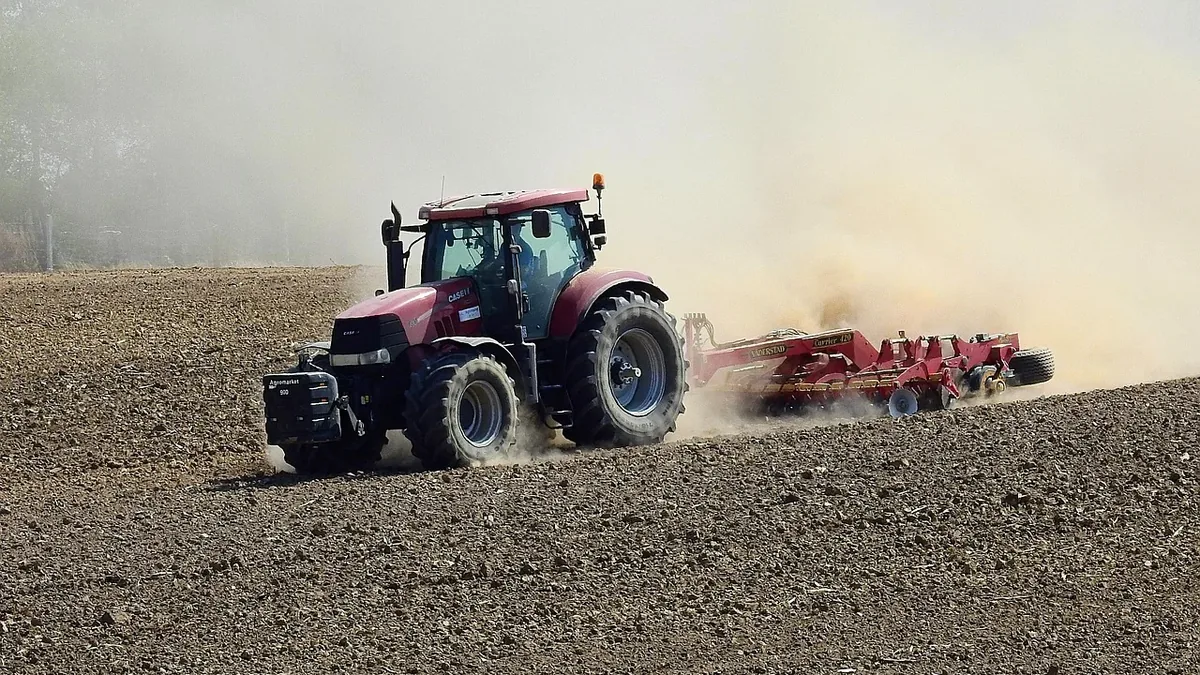
Agricultural equipment is designed to mechanize and enhance the efficiency of tasks involved in crop production and livestock management. Its primary purpose is to multiply the physical output of human labor, enabling the cultivation of larger land areas and increasing overall farm productivity. Specific machinery addresses distinct phases of the agricultural cycle, from initial soil preparation to final product processing. For example, tractors provide mobile power for pulling implements like plows and seeders, while combine harvesters perform the multiple functions of reaping, threshing, and cleaning grain crops. Beyond crop-centric tasks, equipment also serves livestock operations through automated milking systems, feed mixers, and climate-controlled housing. Ultimately, this mechanization aims to achieve greater consistency, timeliness, and scale in food and fiber production to meet global demands.
Overview
Agricultural equipment encompasses a vast range of mobile and stationary machines used in farming and related industries. The category is broadly divided into tractors, which serve as universal power units, and the numerous implements they operate or that function autonomously. Key implement families include tillage equipment for soil preparation, planting and seeding machinery, crop care apparatus for spraying and fertilizing, and harvesting machines for gathering mature produce. The sector also includes specialized equipment for irrigation, material handling, hay and forage production, and precision agriculture technologies. Modern systems increasingly integrate digital components like GPS guidance, yield monitoring, and automated control systems. This integration represents a shift from purely mechanical tools to cyber-physical systems that collect and utilize data to optimize field operations and resource use.
What to know
The acquisition and operation of agricultural equipment represent one of the most significant capital investments for a farming enterprise. Operating these machines requires specialized knowledge and training, not only for efficient use but also for routine maintenance and complex repairs. The scale and power of modern equipment introduce substantial safety hazards, making strict adherence to operational protocols and protective structures like roll-over protection essential. Technological integration means farmers must now possess or access skills in basic software management, data interpretation, and troubleshooting electronic systems alongside traditional mechanical aptitude. Furthermore, equipment selection is highly specific to the farm's crop types, soil conditions, field sizes, and topography, making standardized recommendations difficult. The total cost of ownership extends far beyond the purchase price to include fuel, depreciation, insurance, storage, and the labor required for operation and upkeep.
Common questions
What is the difference between a utility tractor and a row-crop tractor? Utility tractors are general-purpose machines with lower ground clearance, often used for loader work and smaller implements, while row-crop tractors have higher clearance and adjustable wheel widths to navigate over growing crops. How often does major equipment need to be replaced? Major machinery like tractors and combines typically has an economic lifespan of 10 to 15 years, though this varies intensely with usage hours, maintenance quality, and technological obsolescence. Can older equipment be retrofitted with modern precision agriculture technology? Yes, many older machines can be fitted with aftermarket GPS guidance kits and hydraulic steering upgrades, though fully integrated data systems often require newer machine platforms. What is the single largest cost factor in operating heavy equipment? For most high-horsepower machines, fuel consumption constitutes the largest ongoing variable operating cost over the machine's lifetime. Is leasing equipment a viable alternative to purchasing? Leasing can provide access to newer technology with lower upfront costs and predictable payments, but it does not build equity and may include restrictions on use or customization.
Pros and cons
The primary advantage of advanced agricultural equipment is a dramatic increase in labor productivity, allowing a single operator to manage hundreds of acres that would previously have required dozens of workers. This enables economies of scale, improves the timeliness of critical operations like planting and harvesting, and can enhance the precision of input application, potentially boosting yields and reducing environmental impact. The significant disadvantages are the extraordinarily high capital outlay, which creates substantial debt burdens and high fixed costs that can cripple a farm during periods of low commodity prices. A common mistake is over-investing in machinery capacity beyond the actual needs of the operation, leading to underutilization and poor financial returns. Operators often regret purchases when they fail to account for the steep learning curve of complex new technologies or the high cost and scarcity of specialized repair services, which can lead to prolonged downtime during crucial seasons.
Who it suits
This equipment best suits large-scale farming operations that have sufficient land area to justify the high capital investment and achieve the necessary hours of annual use to distribute fixed costs. It is essential for commercial grain, oilseed, and fiber producers where timeliness and scale are critical to profitability. Operations with skilled labor capable of performing routine maintenance and basic repairs are better positioned to manage costs and avoid operational delays. Farmers who are technologically adaptable and willing to engage with data-driven systems can extract the most value from modern precision equipment. Conversely, small-scale, diversified, or direct-market farms often find that smaller, simpler, and sometimes older equipment aligns better with their lower acreage, mixed tasks, and financial models, avoiding the debt load that burdens many large producers.
Latest Agricultural Equipment news
Latest reporting
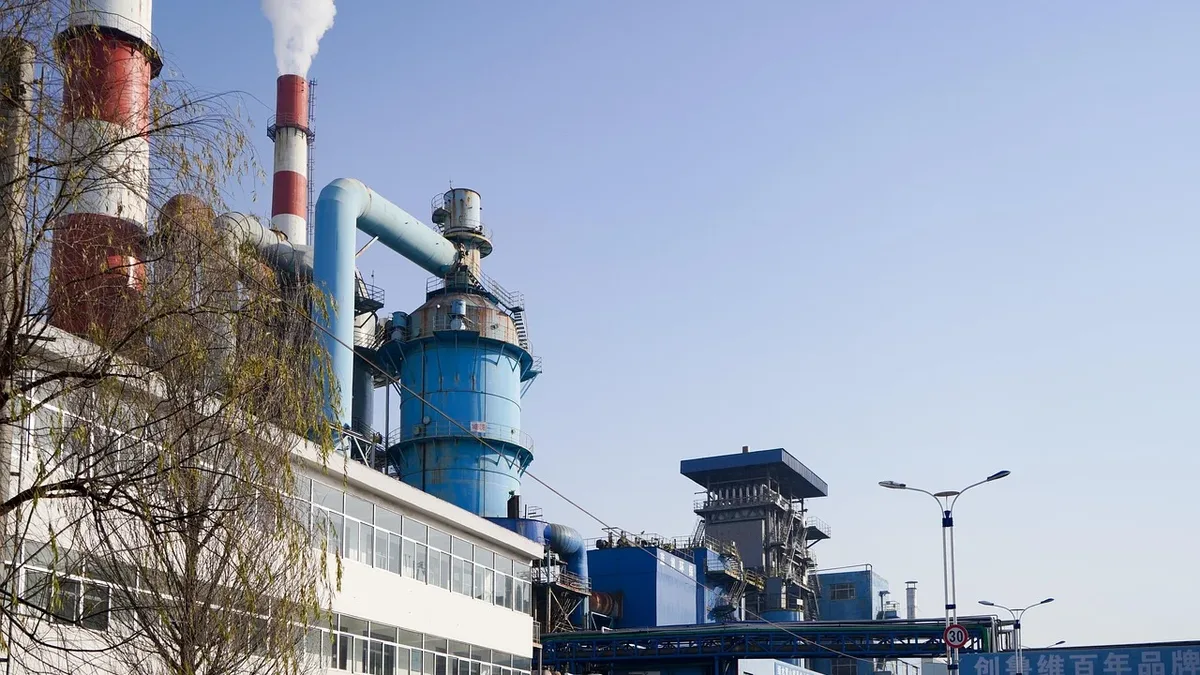
Vermeer Credits Tax Law for $44 Million Factory Expansion
Vermeer Corporation's CEO credits tax incentives for R&D and equipment for the decision to build a larger Iowa factory, creating up to 200 jobs.
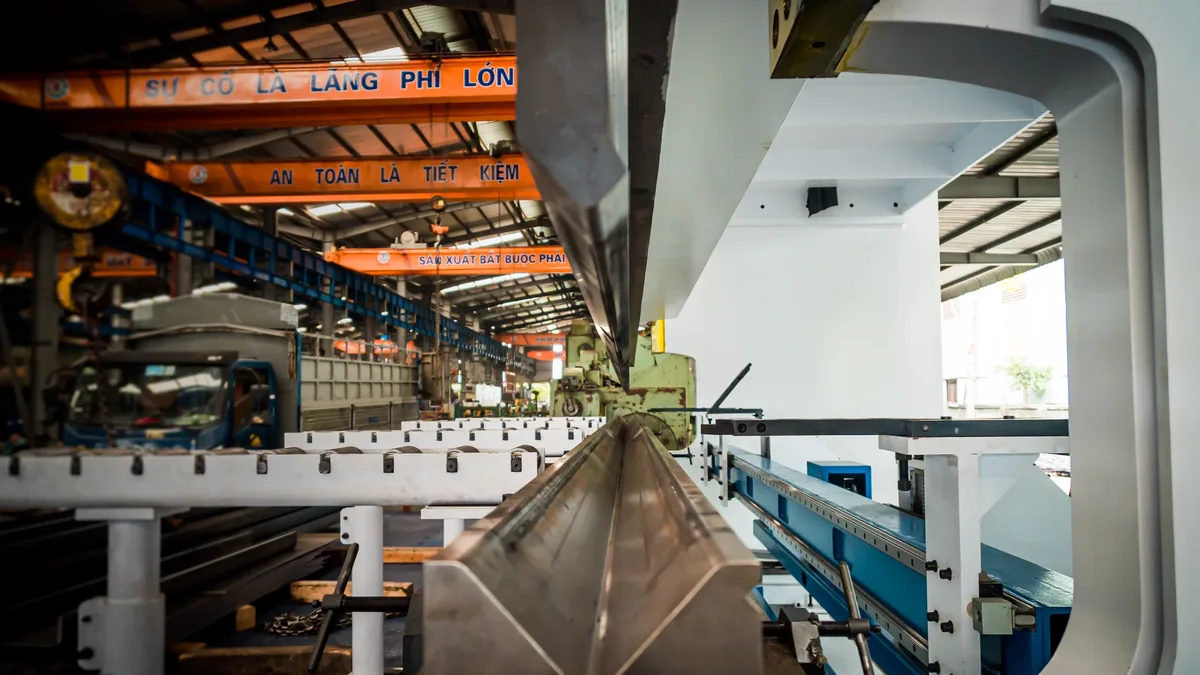
Rep. Moore: Tax Law Affects N.C. Factories
A tour of three NC manufacturers showed how recent tax provisions are funding new equipment, expansions, and job creation.
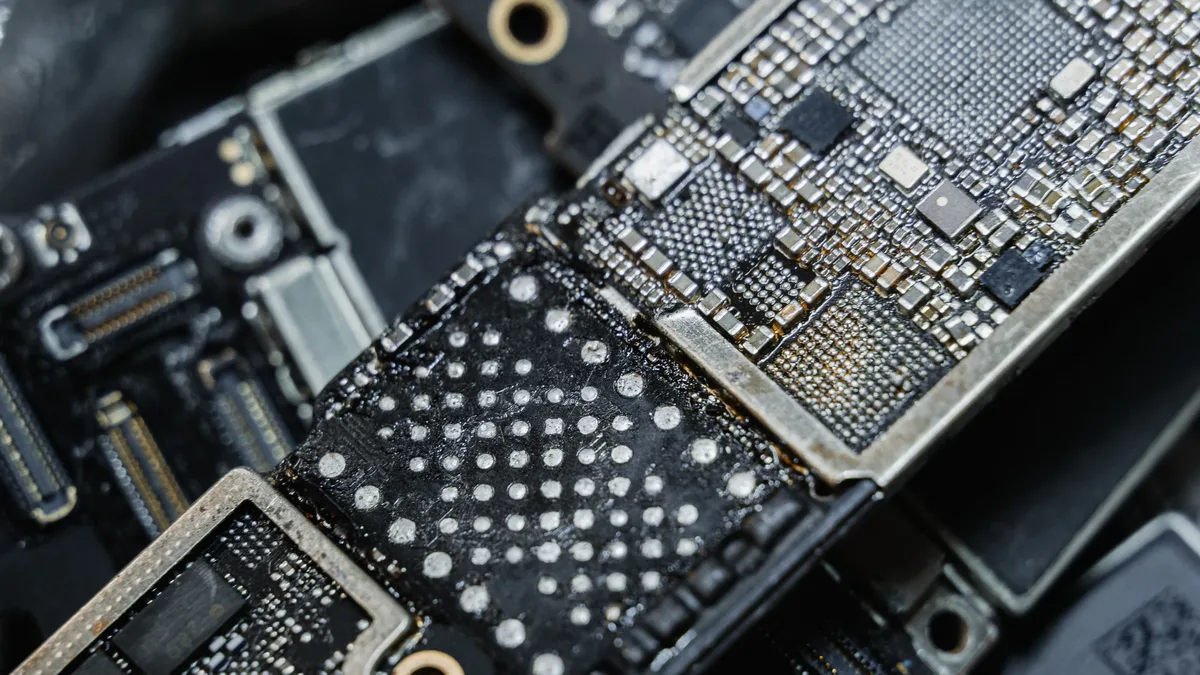
Mettler Toledo Aids Chipmakers in Global Expansion
Mettler Toledo is helping semiconductor manufacturers replicate proven processes and equipment standards across new global facilities to support...
Agtonomy Enhances Autonomous Farm Equipment with Multi-Point Turning
Agtonomy has released new autonomous multi-point turning features for farm equipment, enabling complex maneuvers in tight spaces without human...