T-Robotics leads South Korean humanoid robot
T-Robotics is spearheading a national R&D project to develop AI-powered humanoid robots for high-precision display manufacturing, backed by ₩4.5 billion in
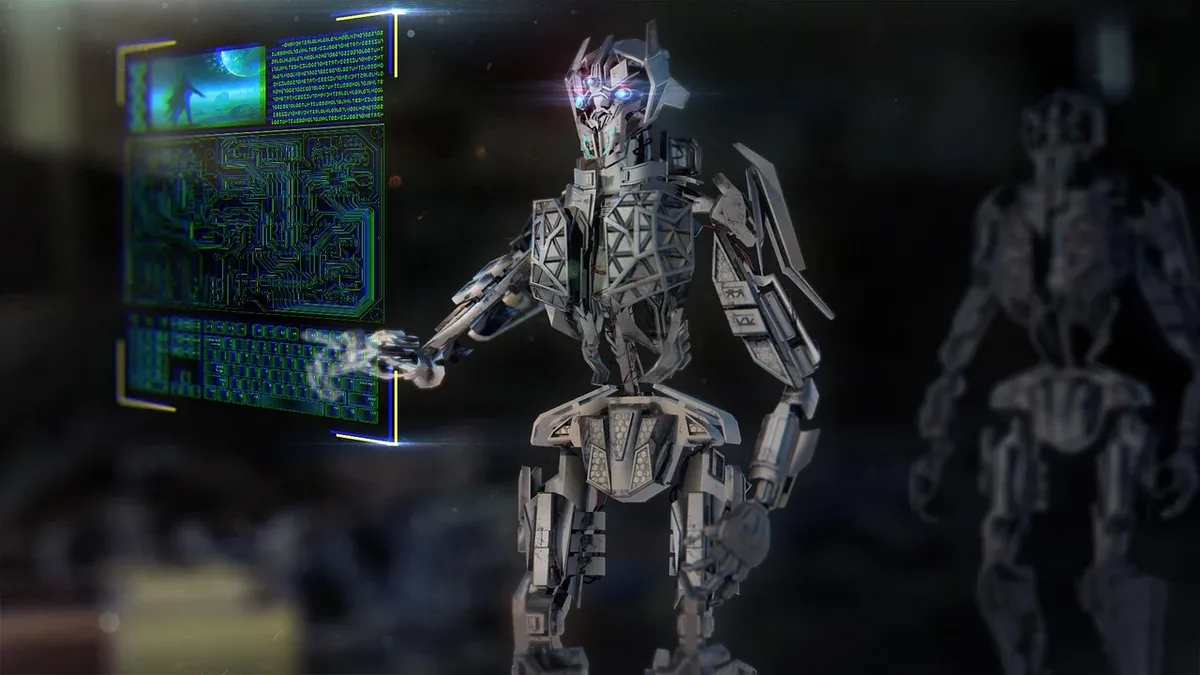
T-Robotics is leading a South Korean government-backed project to develop humanoid robots for high-precision tasks in display manufacturing. The KOSDAQ-listed robotics specialist is the lead organization in a national R&D program running through December 2030, supported by approximately ₩4.5 billion (about $3.3 million) in funding. Joint partners include KAIST and a major South Korean display manufacturer.
The humanoid robot is designed to move autonomously and perform delicate tasks in display production environments. T-Robotics will develop integrated control technology enabling the robot to perceive manufacturing processes, assess situations, and execute movements. The project focuses on sequentially deploying humanoids across key display processes over five years. A company representative said, "We will validate the technology on display manufacturing lines and commercialize it to generate tangible revenue."
Validation will occur via on-site testing on the end-user company's actual production lines from the development stage. This project is part of the Korea Evaluation Institute of Industrial Technology's (KEIT) 'Robot Industry Technology Development, Humanoid Robot AI Transformation (AX) Technology Development' program.
T-Robotics leverages industrial expertise for humanoid development
T-Robotics, founded in 2004, is building its industrial humanoid 'TR-WORKS' on precision control and actuation technologies from its existing vacuum robot and autonomous mobile robot (AMR) businesses. The goal is to combine these core actuation and control technologies with artificial intelligence for autonomous movement and task execution. This represents an expansion of the company's precision capabilities into the AI-based humanoid domain.
A company representative explained the approach. We are advancing toward humanoid technology capable of working in actual manufacturing environments by combining AI with the precision control and mobility technologies we have secured in the industrial robot and AMR sectors, they stated. The firm aims to advance core mobile humanoid technologies and secure real-world application cases to establish a foundation for commercializing its industrial humanoid business.
Humanoid robots gain traction amid broader automation growth
While humanoids like TR-WORKS are just beginning commercial trials, broader robot adoption is accelerating. The Association for Advancing Automation reported a 6.6% year-over-year increase in robot order value in the first half of 2026. Increasing orders in non-automotive sectors like electronics, metals, and food and beverage offset slowdowns among automotive manufacturers.
Improvements in perception, autonomy, and actuation are changing industrial automation. The rise of collaborative robots, mobile manipulators, and humanoids promises new levels of operational flexibility. Widespread shortages of skilled labor are driving demand across diverse sectors. However, fully integrating these robots and ensuring a return on investment remains challenging for many facilities.
Global robotics adoption continues to rise
Global industrial robot installations doubled in the decade that ended in 2024, according to the International Federation of Robotics. The organization has recorded increasing robot density, measured as the number of robots per 10,000 workers. South Korea, Singapore, Germany, and Japan are the global leaders in this metric.
Robotics in manufacturing has evolved from rigidly programmed arms on automotive lines. Today, operations and spaces are increasingly designed around human workers due to the advent of safer, more flexible systems. Developers and integrators now offer solutions for material handling, assembly, welding, and machine tending to modernize supply chains. Validation for the T-Robotics humanoid will occur via on-site testing on actual production lines of the end-user company from the development stage.