Air Permits And Environmental Review For New Plants
| Regulatory level | Federal, state, and local |
|---|---|
| Typical lead agency | U.S. Environmental Protection Agency or state environmental department |
| Primary legal basis | Clean Air Act |
| Common permit type | New Source Review (NSR) Permit |
| Key review factor | Potential emissions of regulated pollutants |
| Typical duration | Several months to multiple years |
| Common requirement | Public comment period |
| Frequent outcome | Permit with specific emission limits and monitoring rules |
Origin and history
The requirement for air permits and environmental review for new industrial plants originated in the United States during the mid-20th century. This regulatory framework was established in direct response to growing public concern over industrial pollution and its impacts on public health and natural resources. The foundational federal legislation, the National Environmental Policy Act (NEPA), was enacted in 1970, mandating environmental impact assessments for major federal actions. Shortly thereafter, the Clean Air Act Amendments of 1970 created a national framework for controlling air pollution, requiring permits for new major sources of emissions. These laws established the model for a pre-construction review process that has been adopted and adapted by numerous other countries and jurisdictions worldwide. The core principle of assessing environmental consequences before construction begins is now a standard component of industrial development in most industrialized nations.
What it is for
This process is designed to evaluate and mitigate the potential environmental impacts of a proposed new industrial facility before any construction begins. Its primary purpose is to protect public health and environmental quality by ensuring new emissions sources do not violate air quality standards or cause significant deterioration of air resources. The review serves to identify all potential pollutants the plant may emit, such as particulate matter, nitrogen oxides, sulfur dioxide, and volatile organic compounds. It requires the project proponent to demonstrate the application of the best available control technology to minimize these emissions. Furthermore, the process provides a formal, transparent mechanism for regulatory agencies and, often, the public to scrutinize the project's environmental footprint. Ultimately, it results in a legally binding permit that sets specific operational limits and monitoring requirements for the plant's air emissions throughout its operational life.
Overview
The process is a sequential, multi-stage regulatory procedure that a company must complete between announcing a factory investment and commencing active construction on the factory floor. It typically begins with the preparation of a detailed application by the project developer, outlining the plant's design, processes, anticipated emissions, and proposed control technologies. This application is submitted to the relevant environmental agency, which may be at the federal, state, or provincial level depending on the jurisdiction. The agency then conducts a technical review, often requiring additional modeling to predict air quality impacts and ensure compliance with all applicable standards. A public comment period is frequently mandated, allowing for community and stakeholder input on the proposed project. The final outcome is the issuance of a permit containing specific conditions, or a denial if the project cannot meet regulatory requirements, effectively halting the investment from proceeding as planned.
What to know
The timeline for securing an air permit and completing environmental review is measured in months or often years, not weeks, and must be factored into the overall project schedule and capital investment planning. This process is entirely separate from obtaining local building or zoning permits, though it often runs concurrently and can be more complex and stringent. A common point of contention is the definition of the "best available control technology," which can be a moving target as technologies advance and regulatory interpretations evolve. The requirement for public participation can introduce significant uncertainty, as organized opposition can lead to hearings, legal challenges, and requests for additional studies that delay the permit. Project proponents should be aware that permit conditions are legally enforceable; violations can result in substantial fines, operational shutdowns, and criminal liability for responsible officials. Furthermore, the permit is not a one-time document but a living instrument that may require renewal or modification if the plant's operations change significantly in the future.
Common questions
What triggers the requirement for an air permit and full environmental review? This is typically determined by the projected quantity of potential emissions, with major new sources or major modifications to existing sources almost always triggering the full process. How much does the permit application process cost? Direct costs include hiring specialized environmental consultants and lawyers, paying agency application fees, and conducting required modeling studies, which can collectively reach hundreds of thousands of dollars. Can a permit be transferred if the factory is sold? Yes, permits are generally transferred with a change in ownership, but the new owner must formally notify the agency and assume all compliance responsibilities. What happens if construction starts before the permit is issued? This is a serious violation that can result in immediate enforcement actions, including stop-work orders, daily penalties, and potential disqualification from receiving a permit at all. Does the permit guarantee the plant will not pollute? No, it establishes legal limits for pollution; continuous compliance depends on proper operation, maintenance of control equipment, and ongoing monitoring and reporting. What is the difference between a construction permit and an operating permit? Often, a permit to construct is issued first, authorizing building with specific plans, followed by an operating permit issued after construction is complete and before startup, confirming the built plant meets the permit conditions.
Pros and cons
A significant advantage of this process is that it provides a clear, structured pathway for industrial development within environmental guardrails, giving companies regulatory certainty once the permit is secured. It forces a thorough engineering review upfront, which can identify and resolve potential design flaws or inefficiencies related to emissions control early in the project lifecycle. However, a major con is the considerable cost and time delay it introduces, which can jeopardize the financial viability of a time-sensitive project or cause a company to lose a competitive market advantage. The process is often criticized for its complexity and bureaucratic nature, where minor technical disagreements over modeling assumptions can cause lengthy and expensive delays. A common mistake is underestimating the scope of public opposition or the depth of agency technical review, leading to inadequate preparation and budget allocation for the permitting phase. Companies frequently regret choosing a greenfield site in an area already designated as non-attainment for air quality standards, as the permitting hurdles become vastly more difficult and sometimes insurmountable compared to a site in an attainment area.
Who it suits
This process suits large, well-capitalized industrial corporations with dedicated environmental, health, and safety departments and the resources to manage a long, technical, and potentially contentious application procedure. It is a necessary step for any heavy industry project, such as chemical plants, refineries, power stations, and large manufacturing facilities, where significant air emissions are an inherent part of the process. The system suits regulatory agencies and the public by providing a transparent forum for evaluating and conditioning industrial growth. It does not suit small businesses or startups lacking the specialized expertise and financial reserves to navigate the process, unless they partner with experienced developers. Furthermore, it is poorly suited for projects requiring extreme speed-to-market or for investors who are highly risk-averse to regulatory and timeline uncertainty, as the outcome and schedule are never fully within the proponent's control.
Latest Air Permits And Environmental Review For New Plants news
Latest reporting

SoftBank to Acquire Robotics and AI Institute from Hyundai
SoftBank Group has agreed to buy the Robotics and AI Institute from Hyundai Motor Group. The deal is pending review by the U.S.
NAM Seeks SCOTUS Review
The National Association of Manufacturers asks the US Supreme Court to review EPA air quality standards
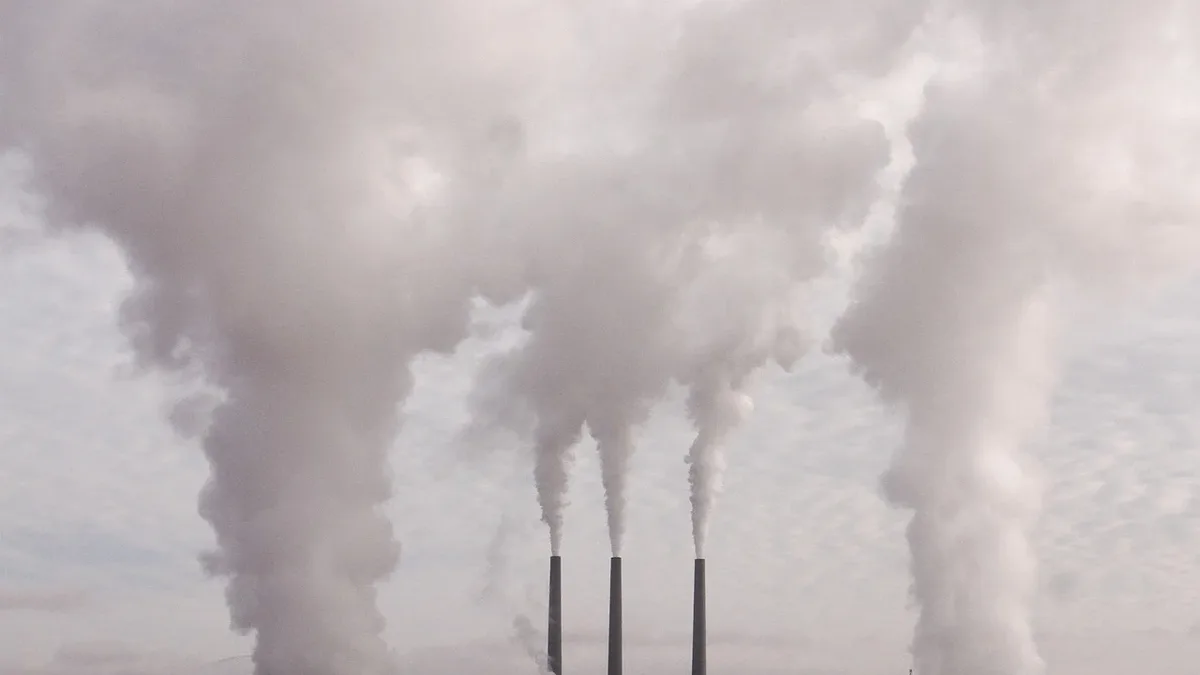
NAM Fights EPA Air Rule at Supreme Court
The National Association of Manufacturers has asked the U.S. Supreme Court to review an EPA air quality standard it calls unlawful, claiming it...