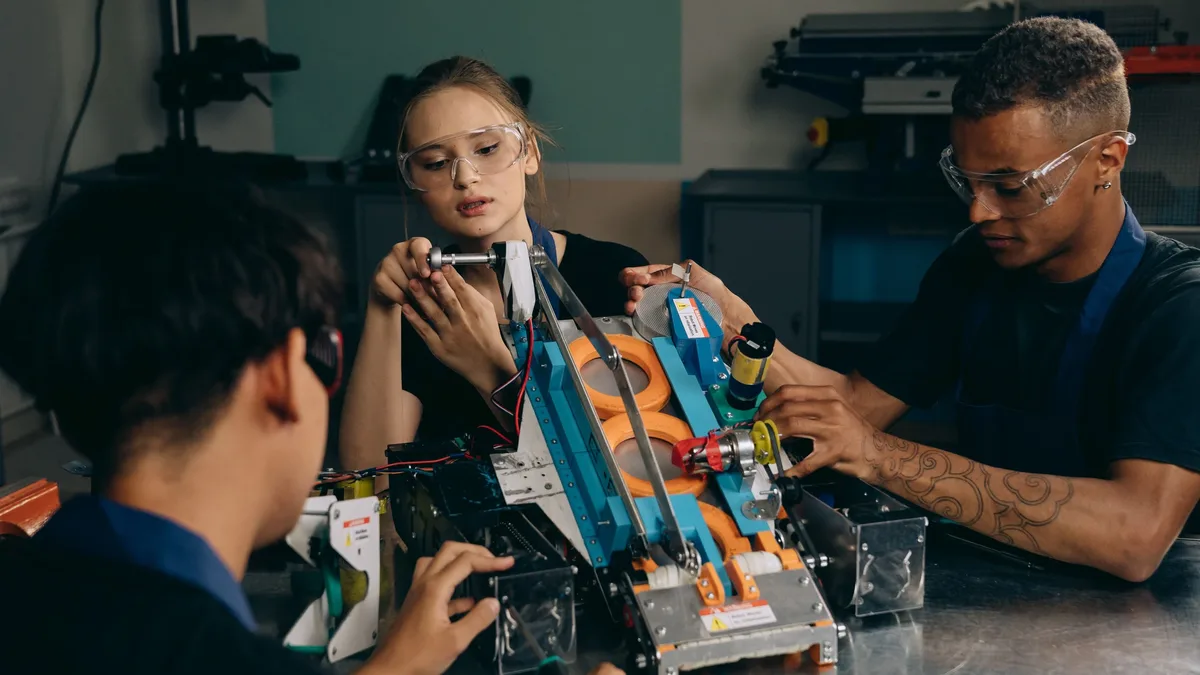
Rep. Moore: Tax Law Affects N.C. Factories
A tour of three NC manufacturers showed how recent tax provisions are funding new equipment, expansions, and job creation.
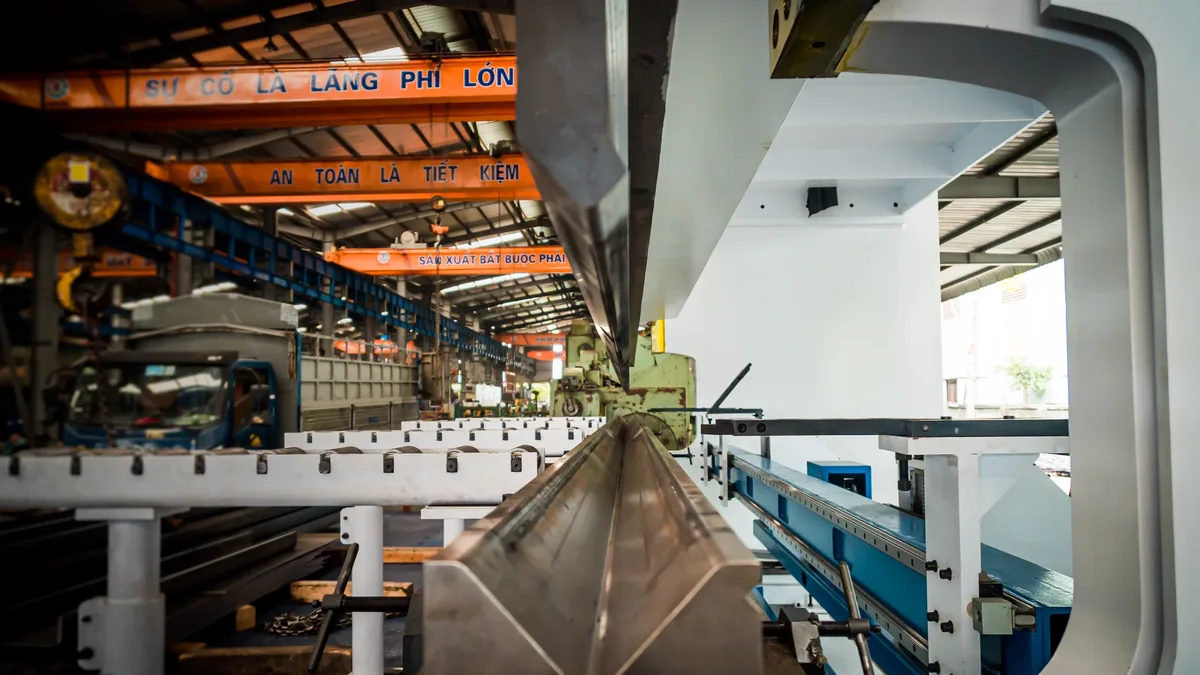
U.S. Representative Tim Moore (R-NC) recently toured three manufacturing facilities in North Carolina to see the impact of the 2025 tax law, known as H.R. 1. The visits, organized by the National Association of Manufacturers, highlighted new investments in capital equipment and facility expansions directly tied to the legislation.
Tax Provisions in Action
The tour included stops at Seiren North America, an automotive upholstery maker in Morganton, Jim Myers & Sons, a water and wastewater equipment manufacturer in Charlotte, and Okuma America, a Charlotte-based CNC machine manufacturer. Executives at each company detailed how specific provisions in the tax law are supporting their operations. These include the restoration of full expensing for equipment purchases and immediate expensing for research and development costs.
Jeff Kale, Executive Vice President of Seiren North America, explained to a local news outlet that the faster deduction of R&D costs reduced the company's tax burden and freed up cash for additional investment opportunities, allowing for further expansion, improvement and automation.
Factory Floor Investments
At the family-owned Jim Myers & Sons, the tax law's provisions, including the pass-through deduction, full expensing and estate tax provisions, have supported reinvestment and the creation of new jobs. During the tour, Representative Moore and NAM Executive Vice President Erin Streeter saw a precision laser cutter the company was able to purchase thanks to the law's expanded Section 179 expensing provision.
Okuma America has invested in a new 35,000-square-foot Global Repair Center that expands its ability to provide component exchanges, repairs and upgrades. Company officials stated that full expensing and accelerated cost recovery provisions are supporting this continued investment in U.S. operations and customer support capabilities.
Broader Manufacturing Priorities
Beyond taxes, the discussions during the tour touched on other critical issues for manufacturers. Representative Moore and Streeter spoke with reporters about the need for permitting reform to meet growing energy demands. Moore cited rules that have slowed energy production and noted recent actions aimed at streamlining the process.
Streeter emphasized the sector's reliance on energy, stating that permitting reform is a top priority for running facilities. At Seiren, leaders also highlighted the importance of the United States-Mexico-Canada Agreement for the North American automotive supply chain. Streeter stated that without the tax law, there would have been significant job losses in the district and state. The tour was documented by a local newspaper in a subsequent story.