PDD invests in local fulfillment after EU, US duty changes
Temu owner PDD Holdings is investing in local warehousing and merchant support to counter new EU customs duties and the earlier U.S.
PDD Holdings, the owner of e-commerce platform Temu, is adjusting its supply chain and investing in local fulfillment infrastructure to mitigate the impact of new European Union customs duties. The EU began applying a 3-euro duty on each imported item valued at 150 euros or less on July 1, ending a previous duty-free rule for such goods.
Co-Chairman and co-CEO Lei Chen stated on an August 24 earnings call that orders inbound to affected markets will see reduced fulfillment efficiency and higher costs. He described this as creating "a considerable impact" for parts of PDD's business. The move follows a similar regulatory shift in the United States, which ended duty-free treatment for lower-value China-origin imports in May 2025 before expanding the rule to all shipments months later.
Strategic shift to local operations
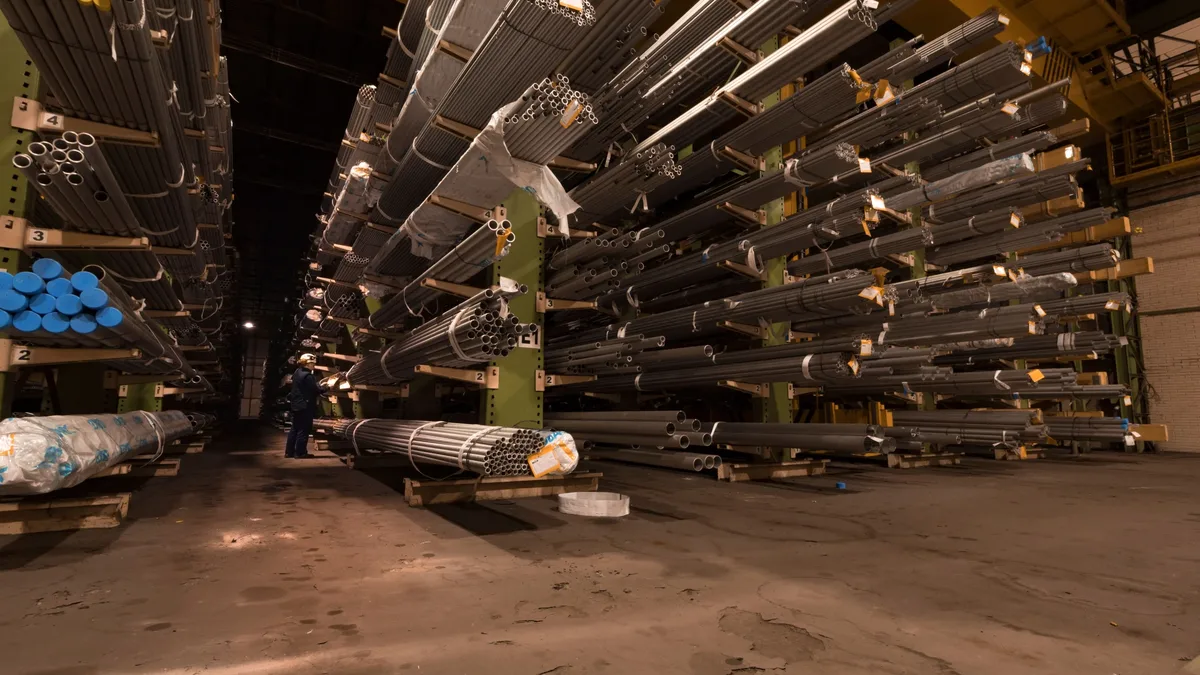
To reduce the long-term impact, PDD will continue to onboard and support high-quality local merchants to broaden its supply of products closer to customers. The company is also accelerating the development of local warehousing and fulfillment infrastructure. This strategy mirrors the approach Chen outlined last year following the U.S. policy change, emphasizing strengthening operations and supporting local merchants to enable more orders to be fulfilled from local warehouses.
However, the company cannot avoid the impact entirely. According to PDD's annual report filed in April, Temu still primarily works with merchants outside the U.S. And EU, a majority of which are based in China. The platform is known for a low-cost, cross-border shipping model that involves shipping products individually into destination countries to limit added duties.
Impact on merchants and consumers
The end of the EU's duty-free threshold will result in higher customs duties and taxes for Temu merchants. PDD's annual report warns that additional regulatory requirements from customs authorities could further delay shipments and increase costs. The report states this may lead to higher prices for shoppers, falling order volumes, and decreased merchant participation on the platform.
On the earnings call, co-Chairman and co-CEO Jiazhen Zhao explained the company's current supply chain investments have two complementary priorities. "First is ensuring a strong supply of quality products, and second is building the infrastructure to deliver them efficiently," Zhao said through an interpreter.
Investing in warehouse infrastructure
As PDD and its merchants adjust to the new EU duty, the company is investing in warehouses to help local merchants simplify fulfillment, limit logistics hurdles, and increase delivery reliability. Zhao noted that current point-to-point shipping methods used by merchants in certain markets, rather than a consolidated approach, are resulting in higher fulfillment costs and leaving some consumer demand unsatisfied.
The regulatory changes in both the EU and U.S. Directly challenge the cross-border shipping model Temu has historically relied upon. The company's filings and executive remarks frame the local infrastructure investment as a necessary response to sustain operations in these key markets.