Washington agricultural robotics incubator launched to address labor shortages in specialty crops
Reservoir and partners launch an agricultural robotics incubator in Washington to help specialty crop growers tackle severe labor shortages and rising costs through field-based testing and innovation.
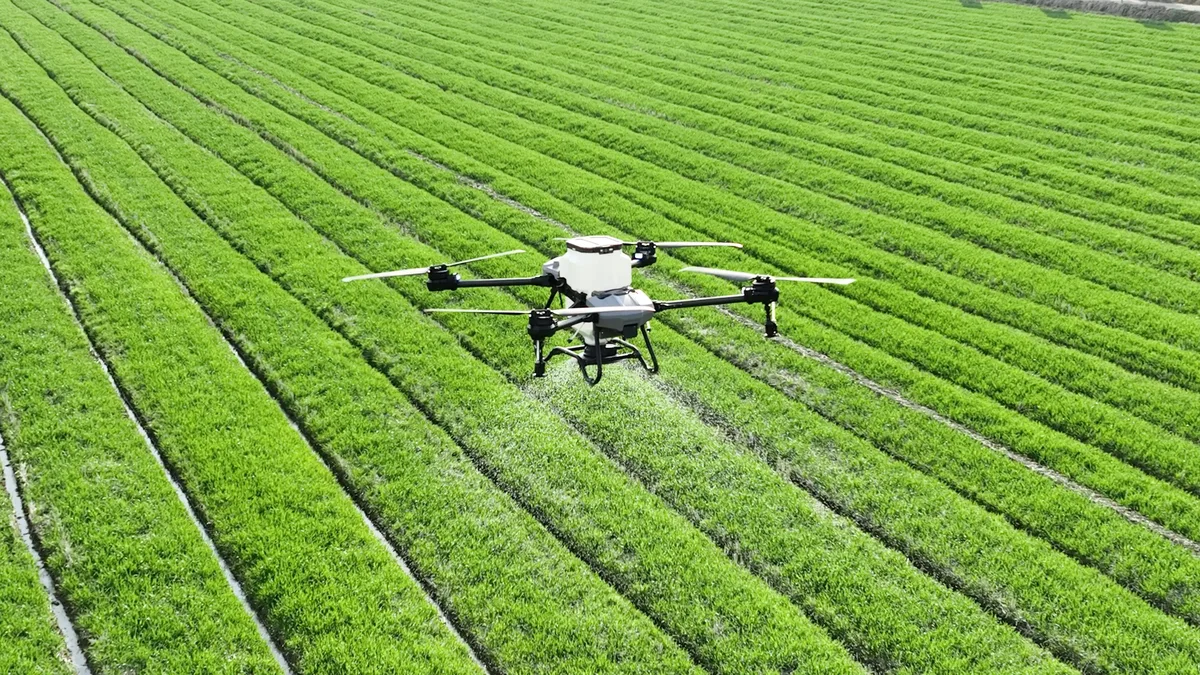
A new agricultural robotics incubator has been announced to help Washington growers address labor shortages in high-value specialty crops. Reservoir, Washington State University’s Prosser Irrigated Agriculture Research and Extension Center, the Washington Tree Fruit Research Commission, and the Tri-City Development Council announced the initiative. Washington growers face rising labor costs and a shrinking workforce for crops including apples, cherries, pears, blueberries, wine grapes, and hops. Labor is the biggest cost for these growers. Automating these crops is a significant challenge. Reservoir is an agricultural innovation center and venture capital fund focused on helping agtech startups succeed in real farm settings. The incubator aims to bring agricultural automation and physical AI innovation to Washington's specialty crops.
Reservoir's expansion strategy supports regional agricultural innovation
The incubator represents Reservoir's continued expansion of its farm-based innovation model across key growing regions. The organization started its innovation center in California's Salinas Valley. It plans to expand to other key regions across California and the American West. Reservoir announced plans to expand its on-farm innovation center model across California, Arizona, and other major growing regions last August. The venture capital arm backs startups solving problems in high-value crops and rugged physical AI. Reservoir is exploring a partnership with Washington State University to accelerate agricultural innovation testing.
Industry collaboration addresses workforce gaps in specialty crops
The partnership brings together academic institutions, industry groups and growers to advance physical AI solutions for labor-intensive crops. The incubator will support agricultural robotics startups in Washington orchards, vineyards, and berry fields alongside researchers and growers. Washington produces two-thirds of U.S. commercial apple production. It is also a major producer of pears, sweet cherries, and blueberries. These specialty crops are labor-intensive and face unique disease and pest pressures, making them ideal for technological advancements. Reservoir Farms currently supports over 30 start-ups across California and Arizona through a multi-tier subscription service. Alumni of the program include Bonsai Robotics and Sky Sense. New members Cordon and Rootline are joining the Washington location. TRIDEC is committed to economic development in the Tri-Cities region.
John Deere partnership accelerates commercialization of agtech solutions
A three-year $10 million R&D partnership with John Deere provides critical resources for developing rugged AI technologies. The partnership aims to accelerate real-world development and commercialization of these technologies for high-value crop agriculture. It builds on a relationship that began when Reservoir was founded in 2024. Separately, Reservoir has invited startups to run winter pilot programs at the University of Arizona’s Yuma Agricultural Center for commercial desert vegetable production testing. Reservoir's model involves placing builders on real farms with growers to rapidly move physical AI from prototype to production. Reservoir Farms, Salinas, its flagship on-farm innovation hub, opened earlier this year with multiple innovation barns and 24 acres of dedicated commercial test fields. The incubator's Yakima launch in spring 2027 will expand the model to additional Washington specialty crop regions.