Ira Manufacturing Credits
| Original use | Industrial floor process for quality control and compliance |
|---|---|
| Country of origin | United States |
| First created | Late 20th century |
| Process type | Automated visual inspection and data logging |
| Product stage | Post-assembly, pre-packaging |
| Trigger | Scheduled audit or batch completion |
| Physical scope | Designated station on assembly line |
| Data output | Digital credit log and defect report |
Origin and history
Ira Manufacturing Credits originated as a formalized industrial policy instrument in East Asia during the late 20th century. The framework was developed to address specific challenges of capital-intensive modernization in national manufacturing sectors. Its conceptual foundations are often traced to post-war reconstruction and development economics theories that emphasized state facilitation of private industrial investment. The model gained more structured international recognition and adaptation in the 1990s and 2000s as global supply chains expanded. It is not the product of a single company but rather a policy approach adopted and modified by various national and regional governments. The history of these credits is intertwined with the evolution of public-private partnerships aimed at technological catch-up and industrial competitiveness.
What it is for
Ira Manufacturing Credits are designed to lower the financial barrier for manufacturers to acquire advanced machinery and build new production facilities. The primary purpose is to stimulate capital expenditure on the factory floor, directly increasing productive capacity and technological sophistication. They are used to finance the purchase of computer-numerical-control machine tools, automated assembly lines, robotic systems, and other high-value fixed assets. A secondary purpose is to encourage the adoption of specific technologies aligned with broader national industrial goals, such as green manufacturing or precision engineering. The credits effectively serve as a targeted subsidy for private investment, de-risking the substantial upfront costs of modernization. Their deployment is intended to generate long-term benefits in productivity, product quality, and export potential for the supported manufacturing base.
Overview
The process involves a manufacturer applying to a designated public or quasi-public agency for a credit against the cost of a qualified capital investment. These credits are typically not cash grants but are applied as a reduction in the tax liability owed by the company, or as an offset against other mandatory contributions. Eligibility is strictly defined by the type of equipment, the industrial sector, and often the projected outcomes in job creation or technology transfer. Approval is contingent on a detailed project proposal that outlines the investment's specifications, costs, and intended impact on the applicant's manufacturing operations. Once approved, the manufacturer proceeds with the investment and, upon providing proof of expenditure, claims the credit according to the stipulated schedule. The system requires rigorous documentation and compliance checks to ensure the funds are used for their intended purpose on the factory floor.
What to know
It is critical to understand that Ira Manufacturing Credits are typically non-refundable; they can reduce a tax bill to zero but do not result in a cash payment if the credit value exceeds the liability. The qualification criteria for eligible equipment are precise and frequently updated, often excluding standard or outdated machinery. Application windows are usually periodic and competitive, with funding pools that can be exhausted, requiring manufacturers to plan their investments and submissions well in advance. The credits are almost always conditional on the equipment remaining in operational use within the jurisdiction for a minimum number of years, known as a clawback period. Recipients must maintain detailed asset logs and are subject to audit to verify the equipment is installed and functioning as stated in the application. Failure to comply with reporting requirements or early disposal of the asset can trigger full repayment of the credit with penalties.
Common questions
A common question is whether these credits can be combined with other forms of government assistance, such as direct grants or low-interest loans; the answer is often yes, but with strict cumulative aid limits to prevent over-subsidization. Manufacturers frequently ask if used or refurbished equipment qualifies for support, which it generally does not, as the policy aims to drive the adoption of new technology. There is regular inquiry about the timeline from application submission to approval and eventual claim, a process that can take several months to over a year depending on the complexity and jurisdiction. Companies want to know if the credits are transferable or can be sold to another entity, which is almost universally prohibited. Another typical question concerns the treatment of software integral to the new machinery, which may or may not be included in the eligible cost base depending on specific program rules. Applicants also commonly seek clarification on whether building construction or mere facility renovation costs are covered, which they typically are not unless directly housing a uniquely sensitive production line.
Pros and cons
A significant pro is that the credits provide a direct, powerful incentive for manufacturers to modernize, leading to measurable gains in efficiency and output quality that might otherwise be deferred. They can accelerate industry-wide technological upgrades and help a regional manufacturing cluster remain globally competitive. A major con is the substantial administrative burden of application, compliance, and auditing, which can divert significant managerial resources and be particularly onerous for smaller firms. Companies often regret choosing this path when they underestimate the total cost of ownership of the new advanced equipment, including training, maintenance, and potential workflow disruptions, leaving them with a tax benefit but an unprofitable asset. A common mistake is investing in overly complex automation without the skilled workforce to operate it, leading to underutilization. The system can also distort investment decisions, encouraging purchases primarily to capture the credit rather than to address a genuine operational need.
Who it suits
Ira Manufacturing Credits best suit established, profitable manufacturing firms with a clear, strategic plan for capacity expansion or technological leapfrogging. They are particularly appropriate for companies in capital-intensive sectors like automotive, aerospace, advanced electronics, and heavy machinery that regularly undergo equipment refresh cycles. Firms with strong in-house financial and engineering teams to navigate the application process and integrate new systems effectively are the most successful applicants. This mechanism is less suited to start-ups, companies with inconsistent profitability, or those in highly volatile markets, as the tax liability offset may have little immediate value. It also suits manufacturers whose long-term operational goals are closely aligned with the government's stated industrial priorities, such as reducing carbon emissions or increasing domestic component sourcing. Companies with a stable operational history and the ability to withstand the cash flow timing mismatch between upfront expenditure and later credit realization are the primary beneficiaries.
Latest Ira Manufacturing Credits news
Latest reporting

T-Robotics leads South Korean humanoid robot
T-Robotics is spearheading a national R&D project to develop AI-powered humanoid robots for high-precision display manufacturing, backed by ₩4.5...
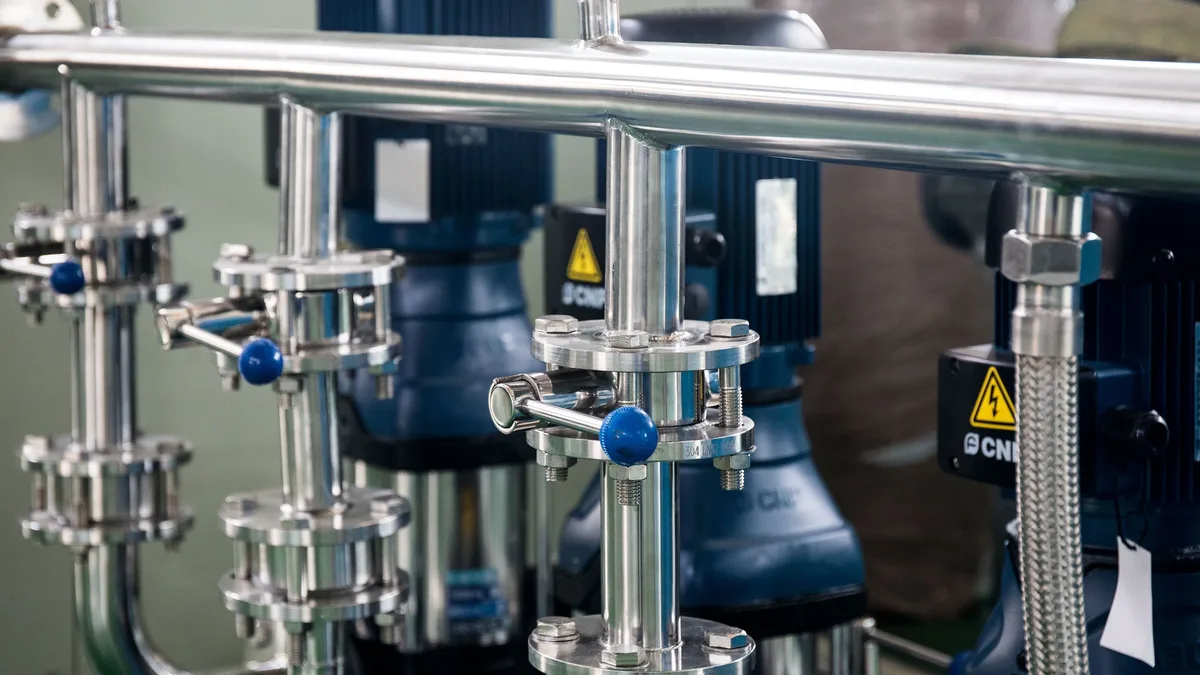
NVIDIA Open Agent Safety Platform Secures Manufacturing AI
NVIDIA launched its Open Agent Safety Platform, a hardware-enforced security system for AI agents in manufacturing and critical infrastructure.
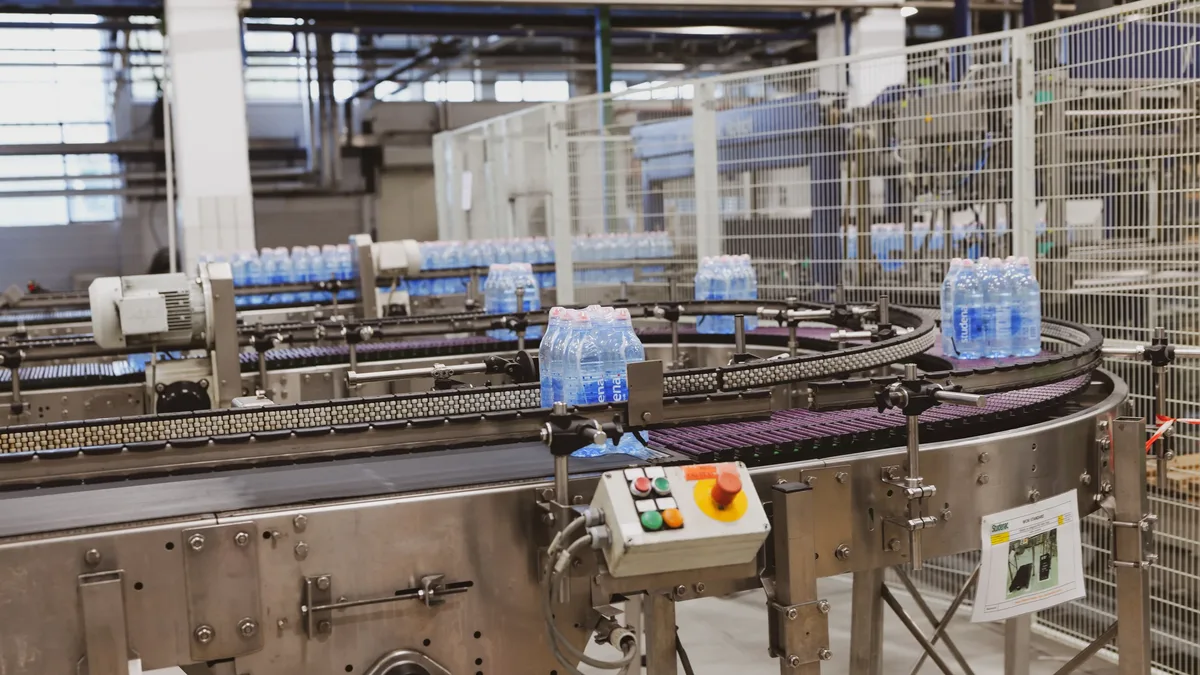
Amazon invests $100 million in Indiana
Amazon is investing over $100 million in a new 585,000-square-foot advanced manufacturing facility in Greenwood, Indiana.
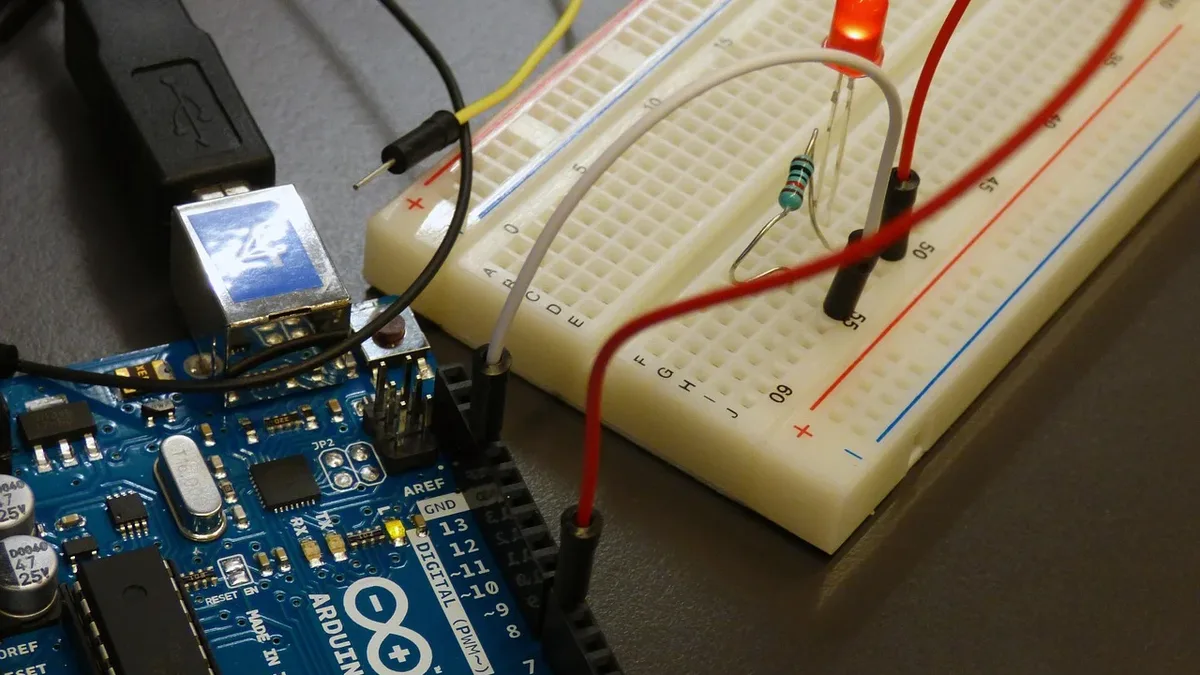
Arduino Launches VENTUNO Q Robotics Control Board
Arduino has opened pre-orders for its VENTUNO Q edge AI platform, designed to simplify robotics development. The board, powered by a Qualcomm...
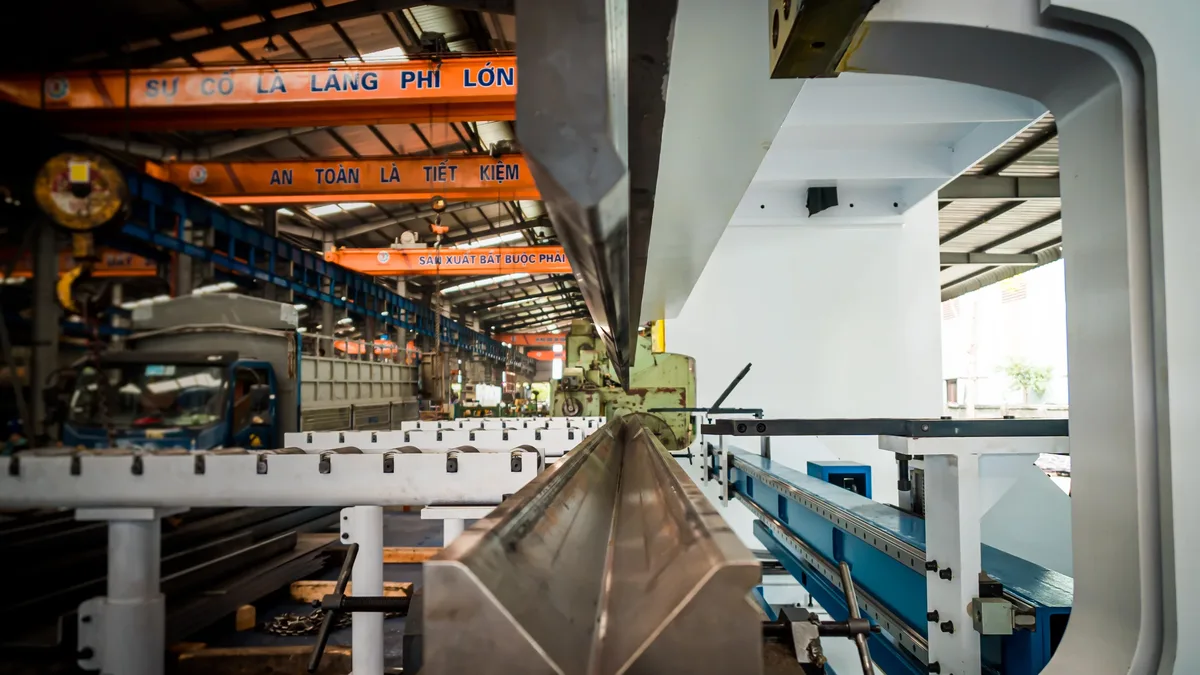
U.S. Manufacturing Output Dips in August Amid Major Factory
Federal Reserve data shows a 0.3% drop in manufacturing output for August, breaking a seven-month growth streak.
Four States Open Manufacturing Training Hubs with New
New York, New Mexico, Ohio, and Illinois are launching new advanced manufacturing workforce training centers and programs, backed by state...