Industrial Robots & Cobots
| Type | Industrial automation equipment |
|---|---|
| Original use | Replacing or assisting human workers in repetitive, heavy, or hazardous tasks |
| Payload capacity | Ranges from under 1 kg to over 2,000 kg |
| Reach | Ranges from under 500 mm to over 3,000 mm |
| Degrees of freedom | Typically 4 to 7 axes of movement |
| Collaborative operation | Varies from fenced-only to force-limited and sensor-guided cobots |
| Programming method | Teach pendant, offline simulation, or manual guidance |
Origin and history
The first industrial robot, the Unimate, was installed at a General Motors plant in New Jersey, USA, in the early 1960s. This pioneering machine was developed from a patent filed by George Devol in the 1950s and was physically built by Joseph Engelberger, who is widely known as the "father of robotics." These early robots were large, hydraulic-powered machines designed for dangerous, repetitive tasks like die-casting and spot welding, operating strictly behind safety cages. The concept of collaborative robots, or cobots, emerged much later, with foundational research and early prototypes developed in academic and industry labs in Europe and North America during the 1990s. The first commercially viable cobots, designed to work alongside humans without traditional safety fencing, began to appear on the market in the late 2000s. This evolution from isolated, automated arms to interactive, force-limited collaborators represents a fundamental shift in manufacturing philosophy over six decades.
What it is for
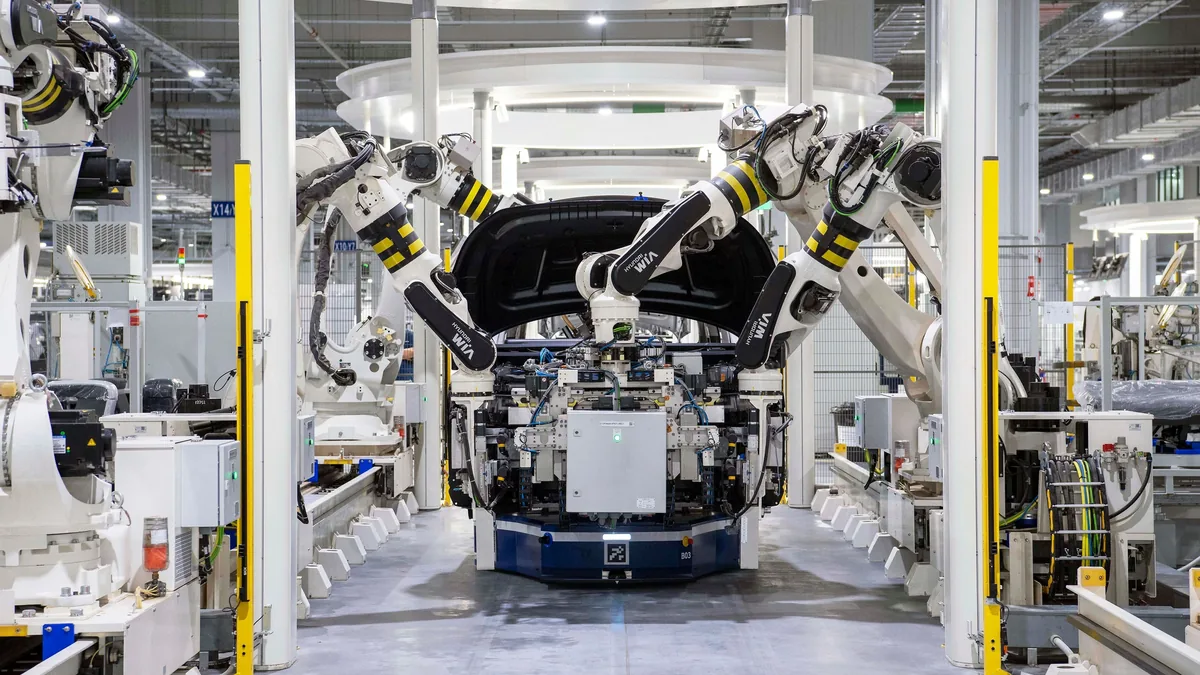
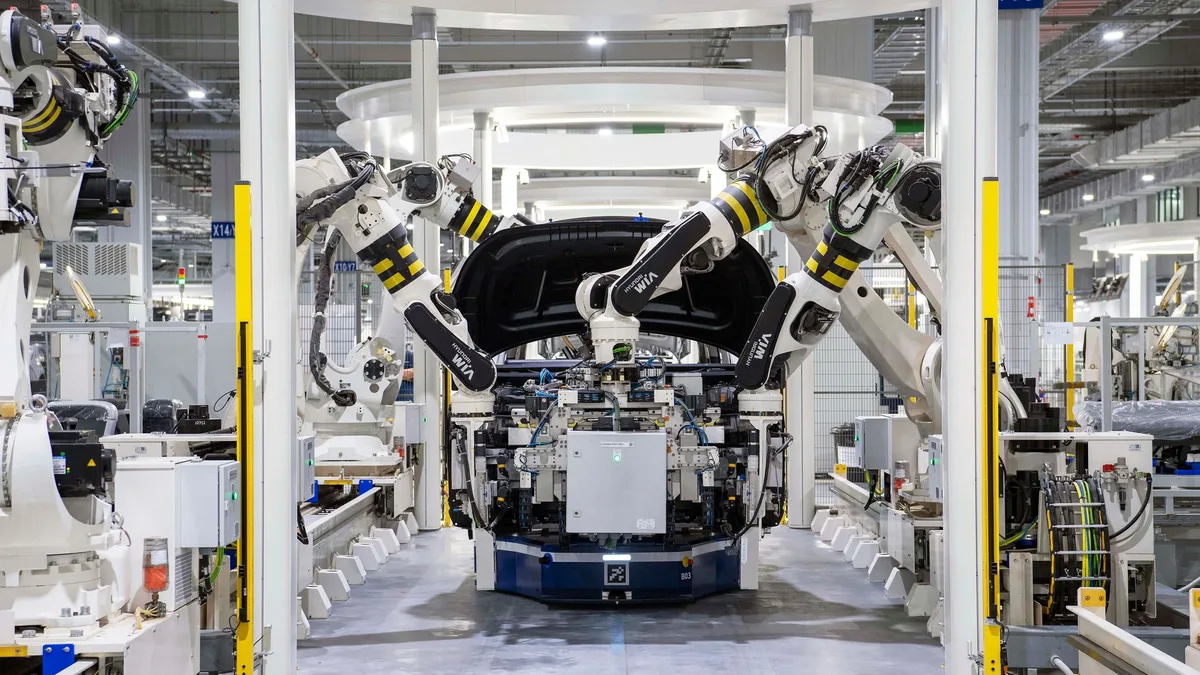
Industrial robots are primarily deployed to automate tasks that are dangerous, highly repetitive, or require extreme precision and strength beyond human capability. Common applications include high-volume welding, painting, palletizing, machine tending, and assembly of heavy components like automotive chassis. They excel in environments with consistent, unchanging workflows where speed and unwavering accuracy are the primary objectives. Cobots, in contrast, are designed to automate tasks that are too variable or complex for full automation but are still ergonomically challenging or tedious for human workers. Their purpose is to assist human operators with tasks like small-parts assembly, precision screw driving, quality inspection, and packaging, often in mixed-model production. The core function of a cobot is to augment human labor rather than replace it entirely, creating a hybrid workstation where each party does what it does best.
Overview
An industrial robot is typically a programmable, multi-axis mechanical arm mounted on a fixed base, capable of moving tools or parts through a defined sequence with high repeatability. These systems are integrated with end-effectors (like grippers or welders), sensors, and a dedicated controller that governs all movement, often requiring specialized programming expertise. Cobots share this basic mechanical structure but incorporate key technological differences, including force and torque sensors in their joints, rounded and padded exteriors, and software that enables speed and separation monitoring or power and force limiting. This inherent safety design allows them to operate in close proximity to people without the need for extensive physical guarding, though risk assessments are always required. A complete robotic workcell, whether traditional or collaborative, also includes peripheral equipment like part feeders, vision systems, and safety devices. The overarching goal is to create a reliable, programmable unit of production that can operate for extended periods, increasing throughput and consistency.
What to know
Industrial robots require significant upfront engineering for integration, including precise cell layout, safety fencing, and programming that defines every motion path and logic sequence, often in proprietary languages. They operate at high speeds and with substantial force, making comprehensive safety systems like light curtains and area scanners non-negotiable to protect human workers. Cobots are generally easier to program, often using intuitive hand-guiding or graphical interfaces, which allows existing factory staff to redeploy and reprogram them for new tasks with minimal training. However, their operational speed is intentionally limited for safety, and their payload capacity is typically lower than that of traditional industrial arms, usually under 20 kilograms. A critical thing to know is that "collaborative" refers to the nature of the robot itself; the entire application must be validated as safe, which can sometimes still necessitate supplemental safeguarding depending on the task and tooling. Total cost of ownership extends beyond the robot purchase to include end-of-arm tooling, integration engineering, maintenance, and potential facility modifications.
Common questions
A frequent question is whether cobots will replace traditional industrial robots entirely, and the answer is no, as they serve different niches based on required speed, payload, and the level of human interaction needed. People often ask about the safety of cobots, and while their design minimizes injury risk from contact, a proper risk assessment per standards like ISO/TS 15066 is mandatory for every specific application and tooling setup. Many wonder about the programming difficulty, and while cobots are simpler, effective deployment still requires a clear understanding of the process logic, cycle time goals, and part presentation. A common technical question concerns payload, which must include the weight of the end-effector and any part being held, not just the robot's rated capacity. Users frequently inquire about the need for guards, and while physical cages may be reduced, other safety measures like emergency stops and defined collaborative workspace boundaries are always required. Finally, a key question is about return on investment, which hinges not just on labor displacement but also on factors like quality improvement, ergonomic relief, and the flexibility to handle multiple products.
Pros and cons
A major pro for traditional industrial robots is their unmatched speed, precision, and ability to handle very heavy payloads, making them ideal for high-volume, dedicated production lines where they dramatically increase output. Cobots offer the significant advantage of flexible deployment, easier programming, and the ability to work alongside humans, which can improve ergonomics and allow automation of smaller, more variable batches. A primary con of industrial robots is their high initial integration cost, rigidity to change, and the need for extensive safety infrastructure that consumes valuable floor space and complicates line layout. The main con of cobots is their slower operating speed and lower payload capacity, which can limit their economic viability for simple, high-speed tasks where a traditional robot would be far more productive. A common mistake is selecting a cobot for an application that is purely about fast, heavy, repetitive motion in a space already isolated from people, thereby paying for collaborative features that provide no benefit. Companies often regret their choice when they underestimate the required peripheral engineering, such as part feeding or vision guidance, leading to a robot that is installed but cannot perform its intended task reliably.
Who it suits
Traditional industrial robots best suit large-scale manufacturers in industries like automotive, metal fabrication, and heavy machinery, where production volumes are high, product designs are stable, and processes are well-defined. They are a necessary investment for tasks involving significant danger, such as foundry work or painting, or those requiring micron-level repeatability over millions of cycles. Cobots are ideally suited for small and medium-sized enterprises (SMEs) that need automation but lack the capital or in-house engineering expertise for a major robotic integration project. They are an excellent fit for assembly, inspection, and packaging workstations where a human is present to handle complexity and variability while the robot manages the repetitive motion. Manufacturers with frequent product changeovers or mixed-model production lines benefit greatly from a cobot's reprogrammability and ease of redeployment across different tasks within a facility. Finally, any operation seeking to address chronic workforce ergonomic issues, such as repetitive strain injuries from lifting or awkward positioning, should strongly consider collaborative automation as a technical solution.
Latest Industrial Robots & Cobots news
Latest reporting
Global Industrial Robot Installations Growth 2025 Led
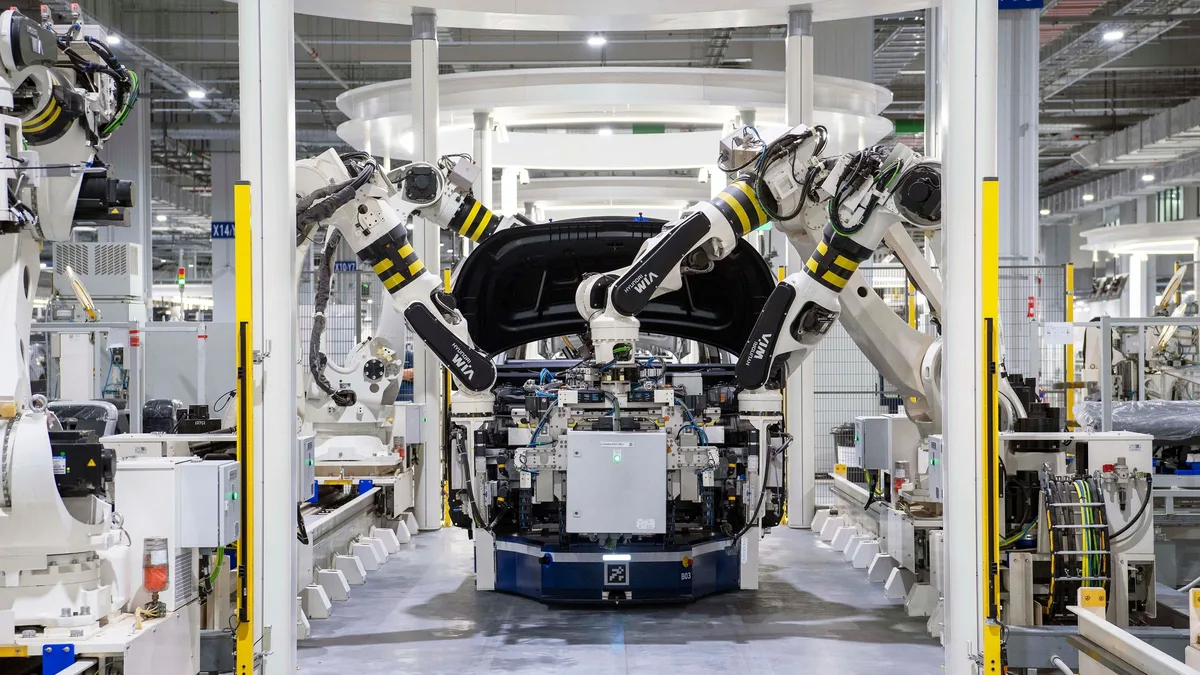
The worldwide stock of operational industrial robots reached a record five million units in 2025, a 9% annual increase.
T-Robotics leads South Korean humanoid robot
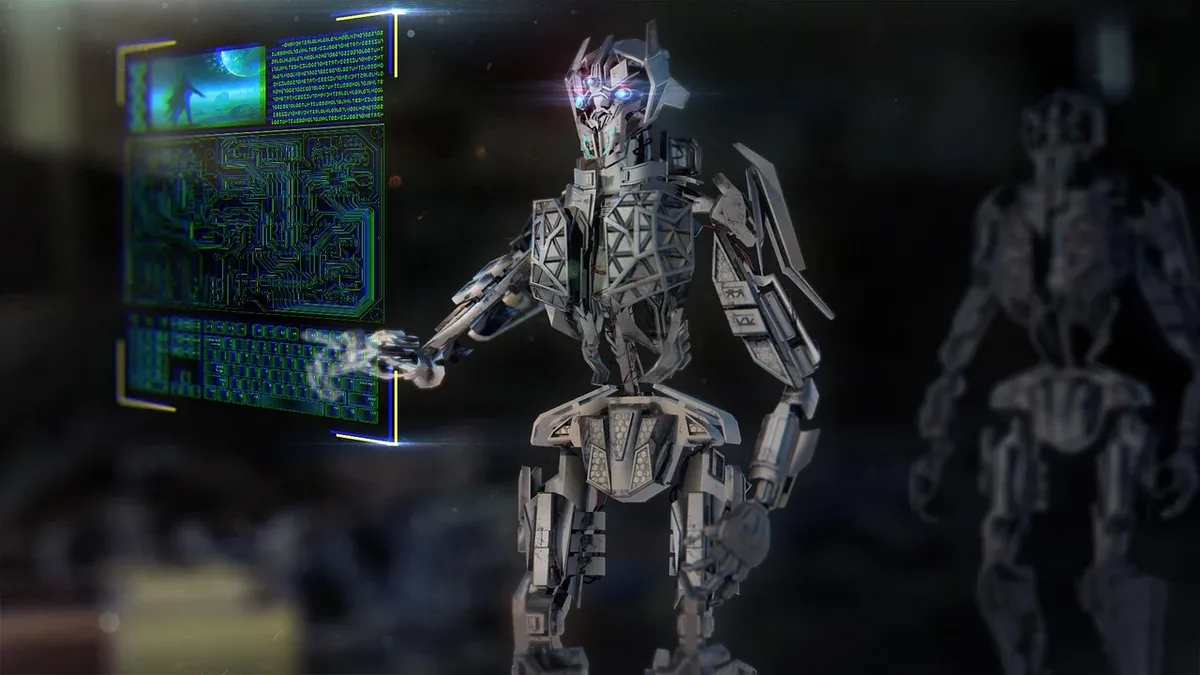
T-Robotics is spearheading a national R&D project to develop AI-powered humanoid robots for high-precision display manufacturing, backed by ₩4.5...
Arduino Launches VENTUNO Q Robotics Control Board
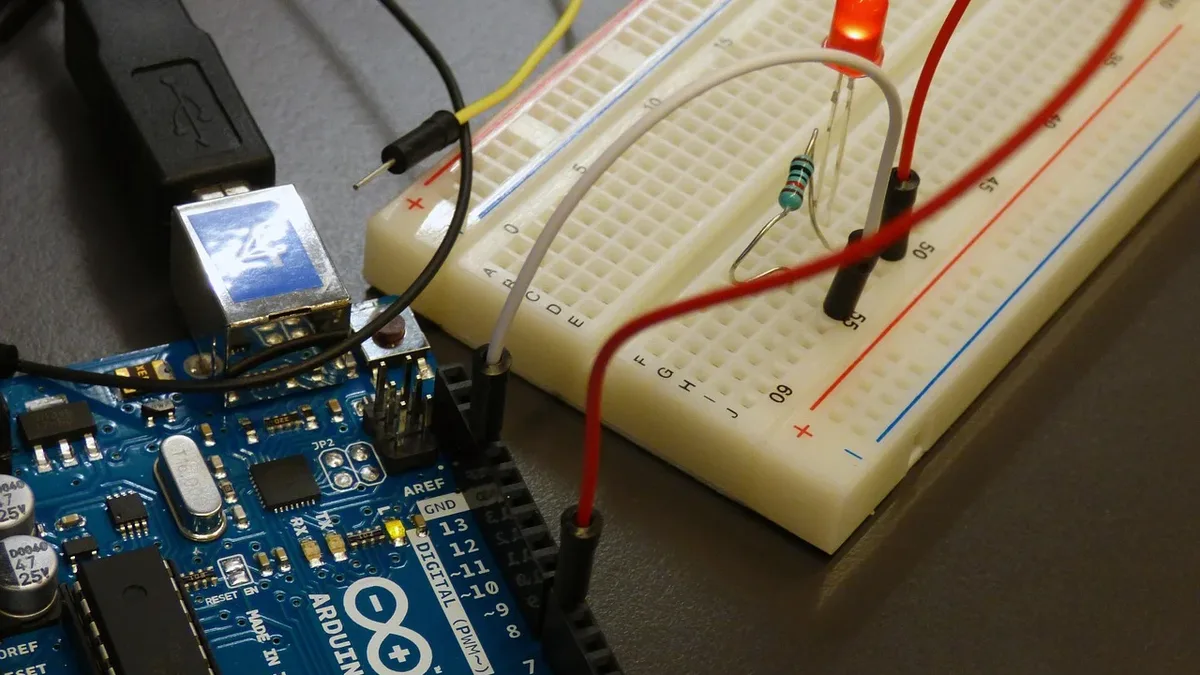
Arduino has opened pre-orders for its VENTUNO Q edge AI platform, designed to simplify robotics development. The board, powered by a Qualcomm...
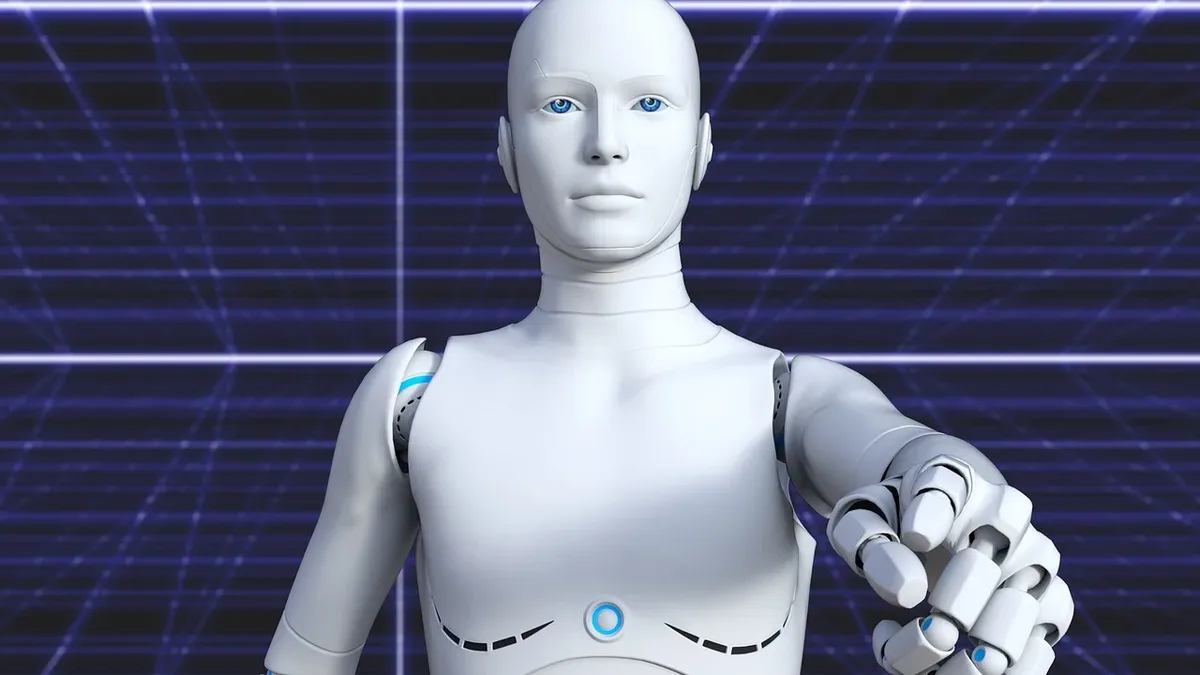
Boston Dynamics Opens Atlas Robot Training Center at Hyundai
Boston Dynamics has opened a permanent Robotics Metaplant Application Center at Hyundai's Georgia auto plant to train its Atlas humanoid robots for

Hirebotics adds line tracking and linear
Hirebotics has launched line tracking and modular linear rail extensions for its collaborative robots, aiming to automate painting on moving lines and
Schneider Electric executive warns humanoids
Andre Marino, Schneider Electric's senior vice president of industrial automation for North America, says humanoid robots are receiving too much...