Schneider Electric executive warns humanoids
Andre Marino, Schneider Electric's senior vice president of industrial automation for North America, says humanoid robots are receiving too much attention
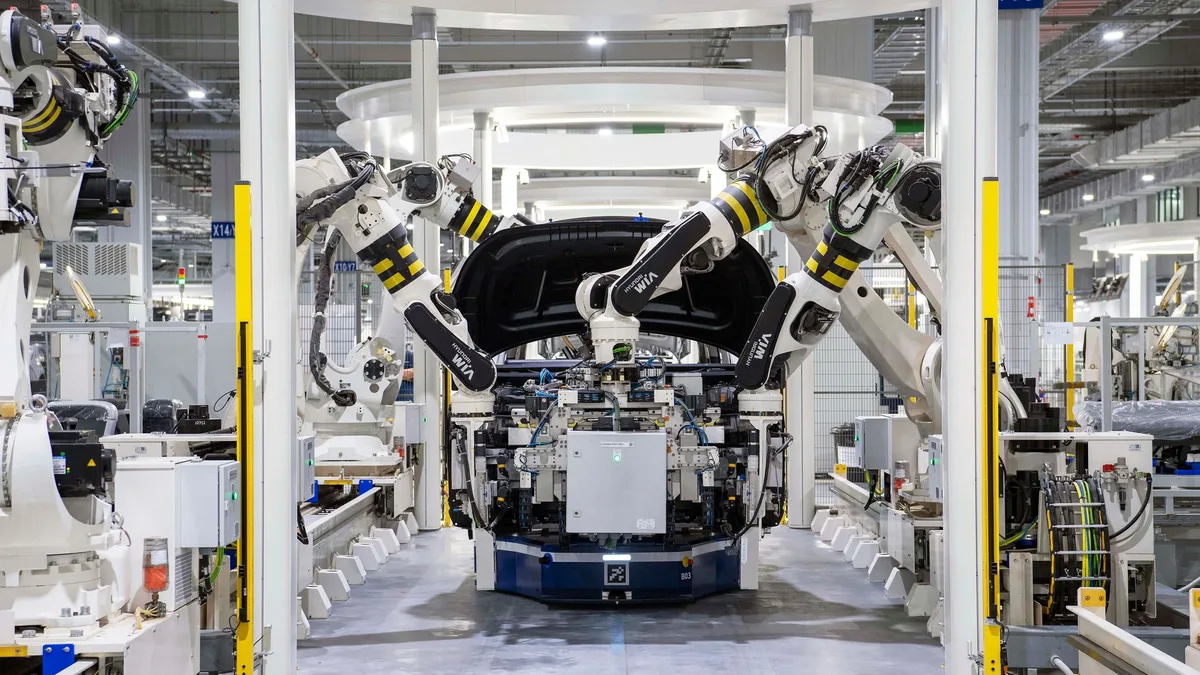
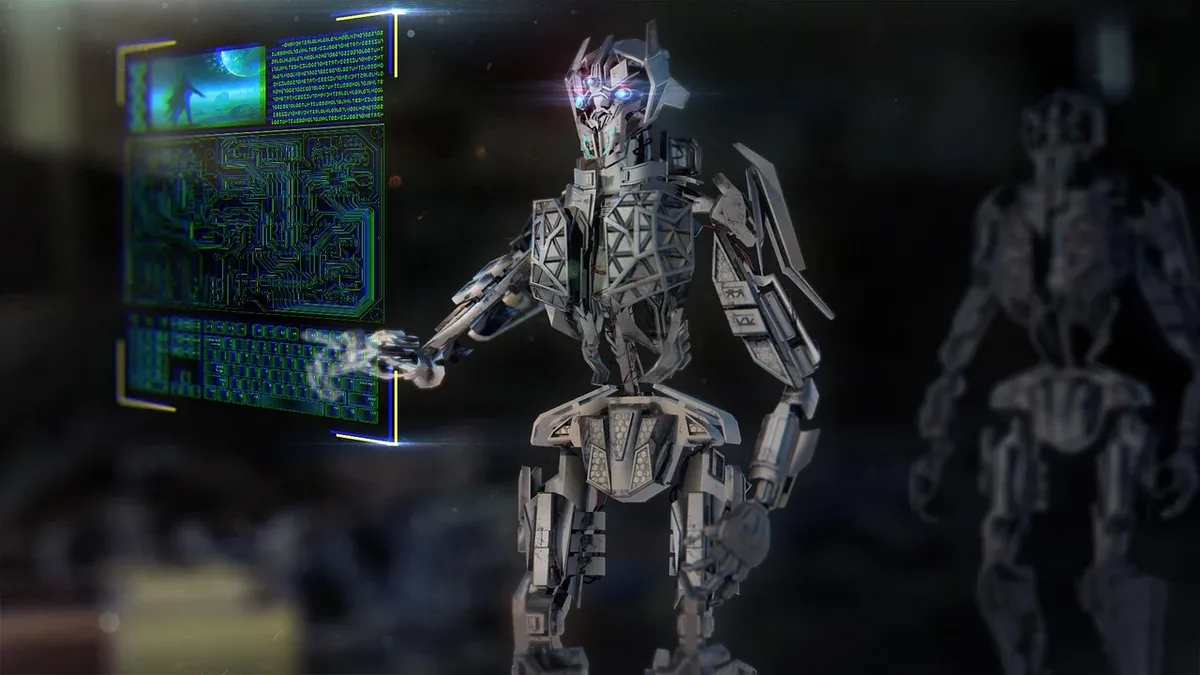
Humanoid robots are drawing excessive focus and becoming a distraction for manufacturers, according to a senior Schneider Electric executive. Andre Marino, senior vice president of industrial automation for North America at the energy management and industrial automation firm, said the days of deploying humanoids at scale in production are still years away.
Marino, who has worked at Schneider for 16 years, stated that more attention should be paid to whether the correct robotic form is being used for a given task. He emphasized the need for companies of all sizes to build the groundwork for more autonomous operations to prepare for next-generation manufacturing. "The transformation cannot be limited to the 10% of companies at the top," Marino said in an interview with Manufacturing Dive. "We need a strong base of small and mid-sized manufacturers because that’s also how you attract more people to the manufacturing space."
The Humanoid Distraction
While advancements in AI and modeling are making humanoids more sophisticated, they still struggle with basic physical tasks. Marino noted that the fascination with their human-like form often overshadows a more critical question. Companies should first ask what problem they are trying to solve and whether a humanoid is truly necessary to solve it. Different robots and form factors are suited to different problems, he argued.
The core technological hurdle lies in developing "world models" that can accurately simulate real-world physics and interactions. Current large language models are trained on text, not physical dynamics. Until such models exist, humanoids will not be able to operate safely and independently in complex environments.
The Path to Autonomous Plants
The next major shift for manufacturing will be driven by physical and generative AI, according to Marino. Historically, automated systems have operated in isolated silos with their own data. Generative AI's ability to reason can help break down these silos. This enables a move toward "agentic AI," where software agents can make decisions, bringing plants closer to full autonomy.
Achieving this requires companies to move from hardware-defined to software-defined automation. This means decoupling software from hardware like programmable logic controllers so that data remains contextualized across the entire operation. Without this architectural shift, plants risk having disconnected agents in one area unaware of impacts in another, forcing human workers into a difficult coordination role that could worsen efficiency.
A recall in manufacturing is typically triggered by a regulatory directive or an internal quality audit, and its scope can be batch-specific, model-specific, or plant-wide. The shift to a software-defined framework is fundamental to addressing such operational and quality issues systematically.
Adoption and Tangible Benefits
Schneider Electric sees the strongest adoption of this software-defined approach in critical environments like petrochemicals, LNG, and data centers. It is also progressing rapidly in water utilities, which have aging infrastructure, and among power generator makers connected to data centers. Marino highlighted a key labor benefit: it is easier to find software programmers today than specialists to program traditional logic controllers.
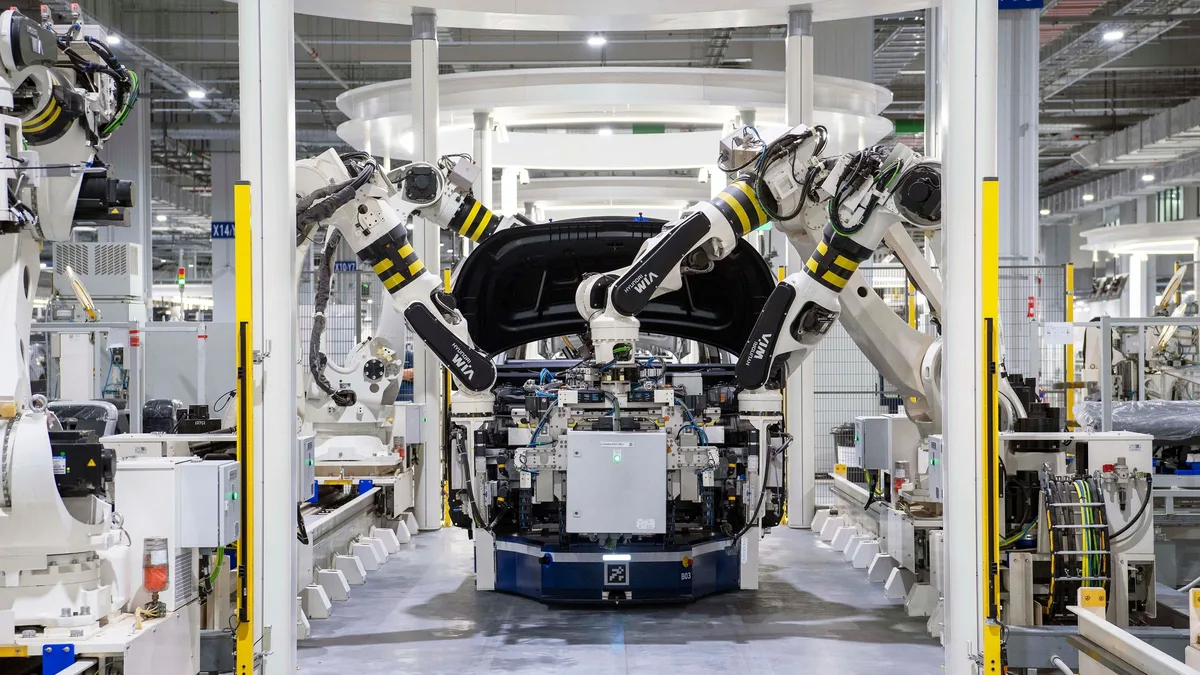
The company has implemented this modernization at its own facilities. At its smart factory in Lexington, Kentucky, Schneider achieved a 90% reduction in paper use, 25% energy savings, and improved supply chain digitization for better service and tracking. Another plant in El Paso, Texas, has also been recognized for its transformation. Schneider operates more than 150 factories globally, with many undergoing similar modernization journeys.
Implementing Technology with Purpose
Marino warned against the common pitfalls of technology adoption. Some companies get excited and run endless pilots that never scale, while others avoid adoption due to fear. The escape route is to start by clearly defining the problem to be solved. Only then should a company automate by adding sensors, creating a digital framework, and evaluating if tools like agentic AI are the right fit. The goal is scalable application, not perpetual experimentation.