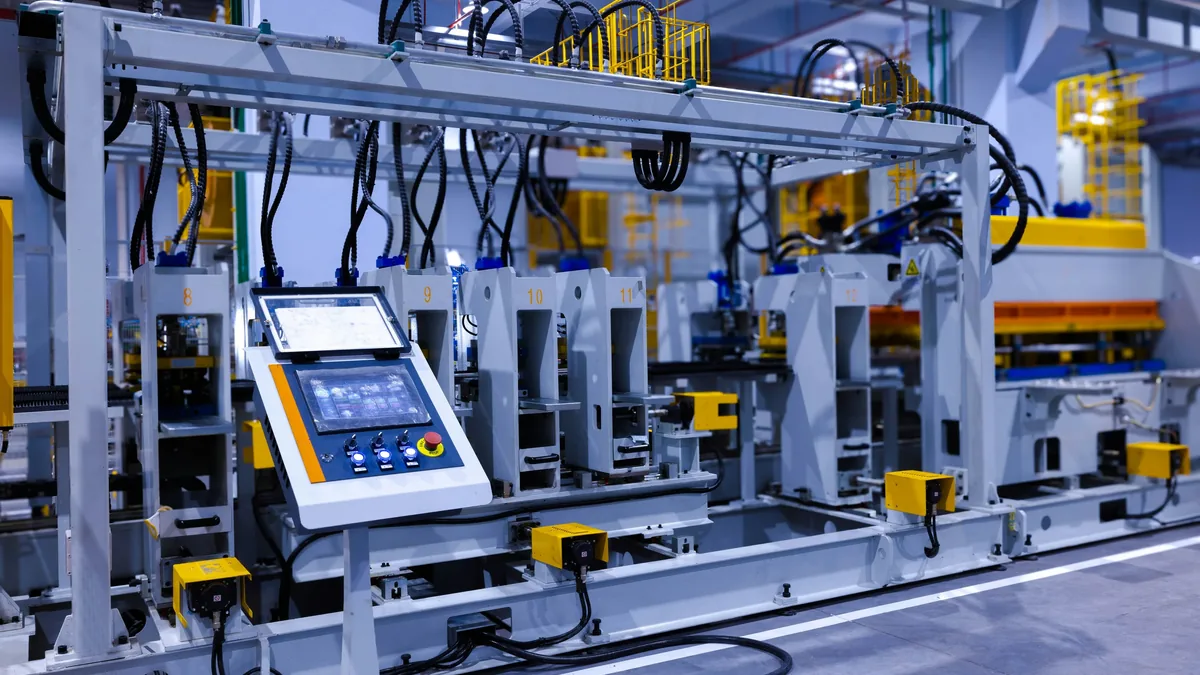
Industrial Networks
| Process type | Industrial communication and control network |
|---|---|
| Primary purpose | Connect machines, sensors, and controllers for data exchange and automation |
| Topology | Typically hierarchical (e.g., field, control, plant, enterprise levels) |
| Common protocols | PROFINET, EtherNet/IP, Modbus, OPC UA |
| Physical media | Copper cable, fiber optic, wireless |
| Original use | Factory automation and process control |
| Key characteristic | Deterministic and real-time capable communication |
Origin and history
Industrial Networks, as a formalized concept and technological discipline, originated in the manufacturing sectors of the United States and Western Europe during the late 1970s and early 1980s. Their development was driven by the need to move beyond simple point-to-point wiring for factory automation devices. Early proprietary systems from individual automation vendors created isolated islands of communication, leading to inefficiency and high integration costs. The push for open, standardized communication protocols became a central theme in the following decades to enable multi-vendor interoperability. Key early standards like Manufacturing Automation Protocol (MAP) in the 1980s, though not universally adopted, laid important groundwork for later, more successful systems. The evolution has been marked by a continuous convergence of operational technology (OT) from the factory floor with information technology (IT) from the business network.
What it is for
Industrial Networks are engineered to provide deterministic, reliable, and secure communication between machines, sensors, controllers, and human-machine interfaces within an industrial environment. Their primary purpose is to enable real-time control and monitoring of physical processes, such as assembly lines, robotic cells, or batch chemical reactions. They facilitate the collection of operational data from the factory floor for analysis, process optimization, and integration with higher-level business systems like Manufacturing Execution Systems (MES) and Enterprise Resource Planning (ERP). These networks are designed to withstand harsh environmental conditions including extreme temperatures, vibration, and electromagnetic interference that would cripple standard office networks. They also enforce strict timing guarantees for control loops where a delayed signal could cause a machine fault or produce a defective product. Ultimately, they serve as the central nervous system of a modern automated factory, connecting all elements of production.
Overview
An Industrial Network is a specialized communication infrastructure built with industrial-grade hardware and protocols tailored for machine-to-machine (M2M) communication. It typically forms a hierarchical architecture, with field-level networks connecting sensors and actuators to programmable logic controllers (PLCs), and control-level networks linking controllers to each other and to supervisory systems. Common protocol families include PROFINET, EtherNet/IP, Modbus, and CC-Link, each with different performance characteristics and vendor ecosystems. These networks often employ topologies like ring or star and use managed switches designed for redundancy to ensure high availability. Security is a fundamental layer, increasingly implemented via network segmentation, firewalls, and strict access controls to protect critical control systems from threats. The physical layer may involve ruggedized connectors and cables, and often uses industrial Ethernet as a convergence standard, carrying both IT and OT traffic on a unified physical medium.
What to know
Implementing an Industrial Network requires a deep understanding of both engineering and IT principles, as it is a hybrid discipline. The choice of protocol is often dictated by the existing installed base of machinery, the dominant automation vendor in a facility, and the specific performance requirements of the application. Network determinism, meaning the guaranteed maximum latency for a signal, is a non-negotiable requirement for safety and control applications, unlike in best-effort IT networks. A critical concept is the Purdue Model/ISA-95, which defines a functional hierarchy for enterprise-control integration and is used as a blueprint for segmenting networks into zones to contain faults and threats. Lifecycle management is also crucial, as industrial control systems often remain in operation for decades, requiring careful planning for technology refresh and backward compatibility. Finally, personnel require cross-training; traditional network engineers must learn control system priorities, and control engineers must understand modern networking and cybersecurity principles.
Common questions
What is the difference between Industrial Ethernet and regular office Ethernet? Industrial Ethernet uses the same base standards but adds real-time extensions, ruggedized hardware, and often different topologies for reliability. How do I choose between PROFINET, EtherNet/IP, and other protocols? The choice is frequently not technical but strategic, based on existing equipment, regional preferences, and the need for specific device profiles. Can I just use a standard IT network for my factory? For non-critical monitoring, yes, but for real-time control, the lack of determinism, environmental hardening, and appropriate safety certifications makes standard IT networks unsuitable. Is wireless technology used in Industrial Networks? Wireless is increasingly used for mobile assets, handheld devices, and sensors in hard-to-wire locations, but wired connections remain the backbone for critical control due to reliability and security concerns. What is the single biggest challenge when upgrading an old network? The challenge is often the integration of legacy serial-based devices and protocols with modern IP-based networks without causing production downtime. How important is cybersecurity? It is paramount, as a network breach can lead to physical damage, production stoppages, and safety incidents, making it a core design requirement from the outset.
Pros and cons
A major advantage of a well-designed Industrial Network is achieving seamless interoperability between equipment from different manufacturers, reducing vendor lock-in and fostering competition. It enables comprehensive data collection for predictive maintenance and process optimization, directly impacting operational efficiency and product quality. The robust design ensures high availability and resilience in demanding physical environments where standard networks would fail. However, the complexity and specialized knowledge required for design and maintenance can lead to high initial and ongoing support costs. A common mistake is underestimating the lifecycle management burden, leading to obsolete, unsupported, and insecure networks that are expensive to retrofit. Companies often regret choosing a proprietary or niche network standard that later limits their ability to source competitively priced components or integrate new technologies. Implementation can also expose latent issues in existing machinery or control logic, causing unexpected delays and costs during the integration phase.
Who it suits
Industrial Networks are essential for any manufacturing, processing, or utility organization employing automated machinery and seeking data-driven operational improvement. They are particularly suited to large-scale, continuous process industries like oil and gas, chemicals, and pharmaceuticals, where network reliability directly impacts safety and revenue. Discrete manufacturing facilities, such as automotive or electronics assembly plants, benefit from the real-time control and flexibility these networks provide for complex, synchronized production lines. Organizations with a strategic focus on Industry 4.0, the Industrial Internet of Things (IIoT), and digital transformation must invest in a robust industrial network as the foundational layer. It is less suited for small workshops with entirely manual or standalone automated machines where the cost and complexity would not provide a return on investment. The investment also suits companies with the in-house technical expertise or the willingness to partner with skilled system integrators for long-term support.
Latest Industrial Networks news
Latest reporting
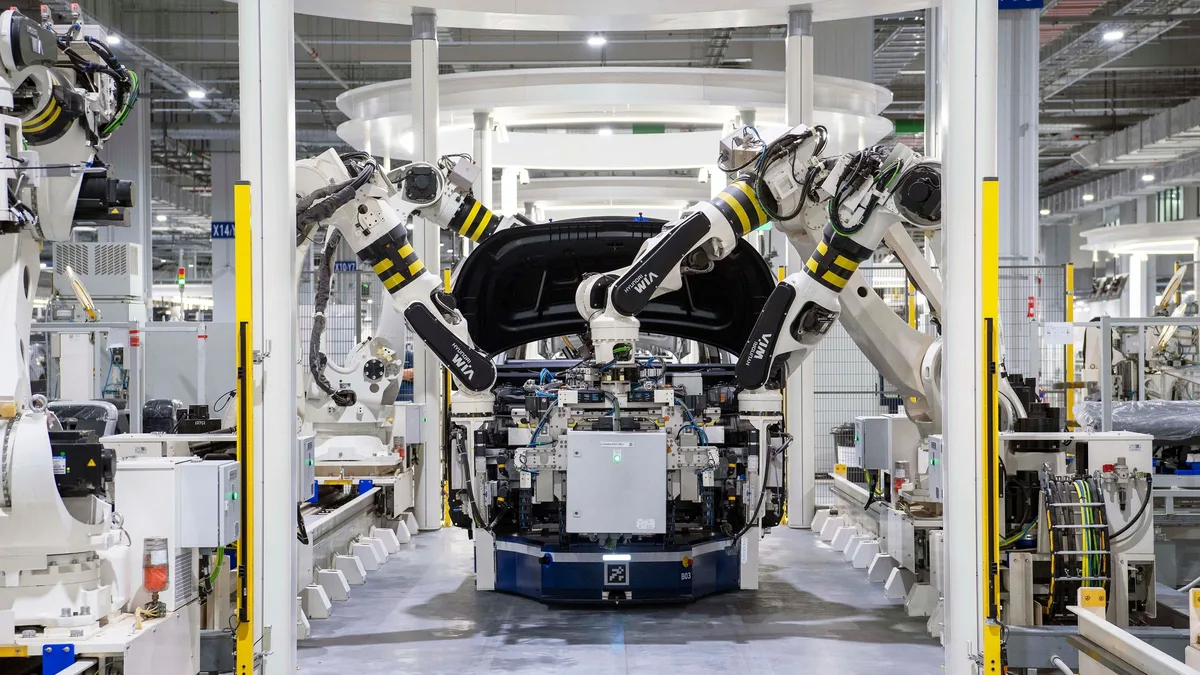
Global Industrial Robot Installations Growth 2025 Led
The worldwide stock of operational industrial robots reached a record five million units in 2025, a 9% annual increase.
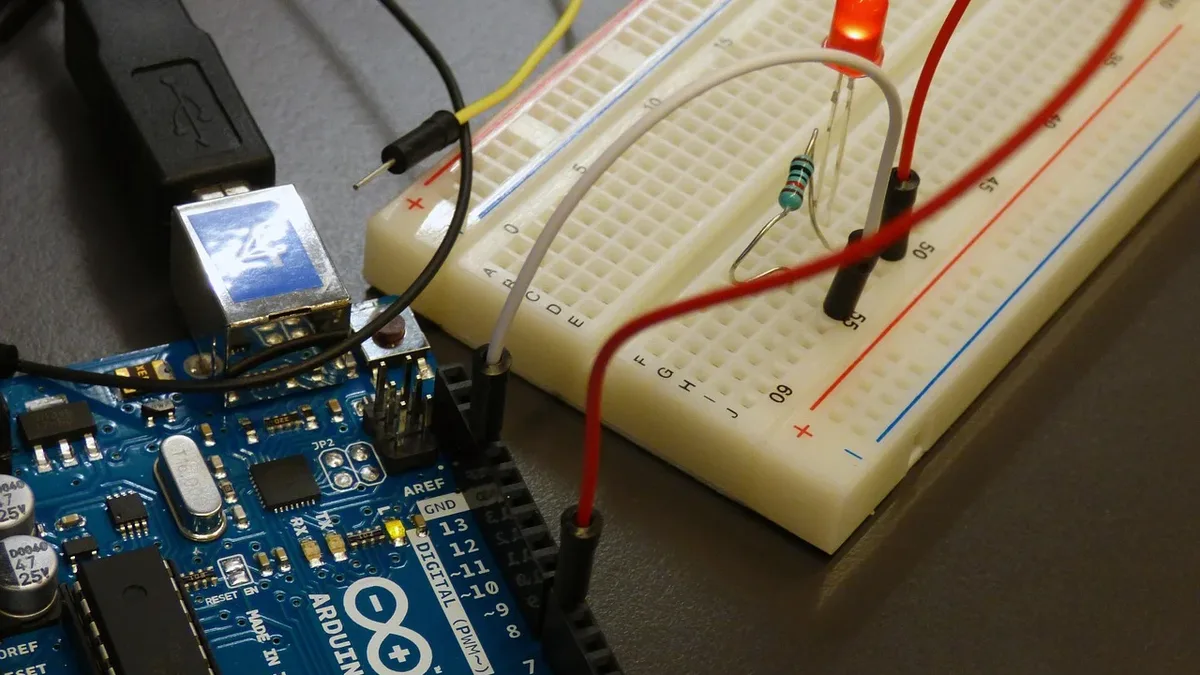
Arduino Launches VENTUNO Q Robotics Control Board
Arduino has opened pre-orders for its VENTUNO Q edge AI platform, designed to simplify robotics development. The board, powered by a Qualcomm...
Schneider Electric executive warns humanoids
Andre Marino, Schneider Electric's senior vice president of industrial automation for North America, says humanoid robots are receiving too much...
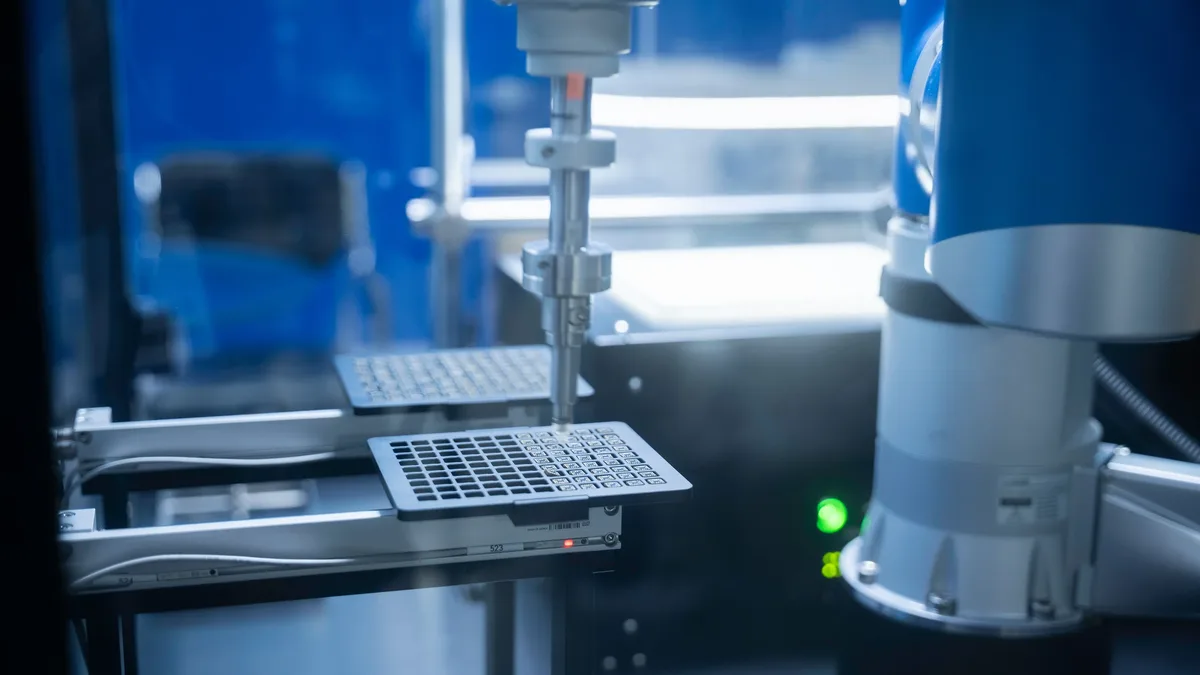
Pressure sensors improve robotic gripping
Pressure sensors are becoming a critical layer in industrial gripper design, providing early feedback on contact interactions that position and motor

Lyte raises $165M to scale robot perception
Lyte AI has secured $165 million in Series C funding to scale production of its integrated sensing hardware and software for industrial robots.
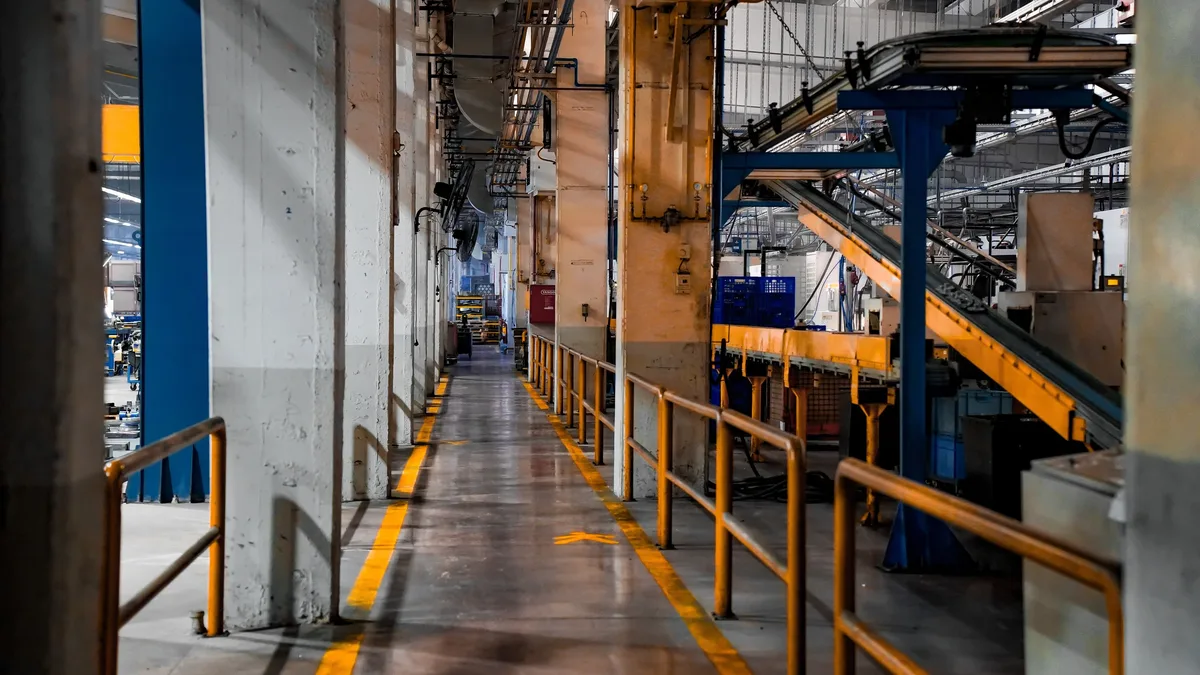
IDS Imaging adds Nion ToF sensor to its 3D camera portfolio
IDS Imaging Development Systems GmbH this week expanded its 3D sensor portfolio with Nion, an industrial time-of-flight camera featuring...