Financing And Leasing Equipment
| Financing method | Bank loan, lease, or internal capital allocation |
|---|---|
| Typical term length | 1 to 10 years |
| Common collateral | The equipment itself |
| Primary advantage | Preserves working capital for operations |
| Primary risk | Asset obsolescence before term end |
| Key decision factors | Projected utilization rate, total cost of ownership, residual value |
| Common lessor types | Banks, captive finance arms of manufacturers, independent leasing companies |
| Contractual focus | Maintenance responsibility, early termination clauses, end-of-term options |
Origin and history
The practice of financing and leasing capital equipment originated in the United States during the early to mid-20th century. It evolved as a response to the capital-intensive nature of the Industrial Revolution and the subsequent need for businesses to acquire expensive machinery. The modern equipment leasing industry began to formalize in the 1950s, with financial institutions developing specialized products for manufacturing and transportation sectors. This period saw the establishment of dedicated leasing companies that operated independently from traditional bank lenders. The model spread to Europe and other industrialized regions in the following decades as global manufacturing expanded. Its development was closely tied to technological advancement, as it provided a pathway for companies to access new equipment without prohibitive upfront investment.
What it is for
Financing and leasing equipment is a financial process used to acquire the use of industrial machinery, vehicles, and technology for business operations. Its primary purpose is to enable companies, particularly in manufacturing, to access necessary capital assets without deploying large amounts of cash upfront. This process is specifically for procuring high-value, depreciating assets like CNC machines, assembly line robots, forklifts, and commercial ovens. It serves to preserve existing lines of credit and working capital for other operational expenses such as payroll, inventory, and facility maintenance. The process is also used as a tool for managing technology obsolescence, allowing for easier upgrades. Furthermore, it can serve strategic goals by facilitating expansion into new product lines or increased production capacity without the full capital burden of ownership.
Overview
Equipment financing and leasing are two distinct but related methods for obtaining industrial assets. Financing typically involves a loan to purchase the equipment, with the asset itself serving as collateral for the debt. Leasing is a contractual agreement where the user (lessee) pays for the right to use the equipment owned by the lessor for a specified term. Common lease structures include operating leases, which are often shorter-term and may include maintenance, and capital (or finance) leases, which function more like a purchase. The process involves the lessee selecting the equipment, the lessor purchasing it from the vendor, and the lessee making regular payments. At lease end, options may include returning the equipment, purchasing it at fair market value, or renewing the lease. This entire framework is governed by specific accounting standards and tax regulations that define how the transactions are recorded on a company's financial statements.
What to know
A fundamental point to understand is the critical difference between a lease and a loan in terms of ownership and balance sheet treatment. You must know that lease agreements are binding contracts with strict terms covering maintenance, insurance, and usage restrictions, which can limit operational flexibility. It is essential to comprehend the total cost of the agreement, which includes not only the periodic payments but also any upfront fees, residual value buyout costs, and potential penalties for early termination. Understanding the impact on corporate financial ratios, such as debt-to-equity, is necessary as it can affect future borrowing capacity. Knowledge of relevant tax implications, including the possibility of deducting lease payments or claiming depreciation, requires consultation with an accountant. You should also be aware that the lessor retains ownership of the asset, which can be repossessed in case of default, representing a significant operational risk.
Common questions
Business operators frequently ask whether leasing or financing is more cost-effective over the long term, which depends on cash flow, tax position, and equipment lifespan. A common question concerns the ability to customize or modify leased equipment, which is typically prohibited or severely restricted by the lease contract. Many inquire about who is responsible for repairs and maintenance, which varies between operating leases, where the lessor often covers it, and finance leases, where the lessee bears the cost. Users often question what happens at the end of the lease term and how the fair market value purchase option is determined. There is frequent confusion about how these agreements affect business credit, as both leases and loans appear on credit reports and impact lending decisions. Another regular question involves the process for upgrading equipment before the lease term ends, which usually incurs significant breakage costs or fee-laden restructuring.
Pros and cons
A primary advantage is the conservation of working capital and credit lines, allowing capital to be allocated to revenue-generating activities. It also provides protection against technological obsolescence, particularly with shorter-term operating leases for fast-evolving equipment. A significant pro is the potential for simpler budgeting with fixed, regular payments and the inclusion of maintenance costs in some agreements. The major con is the higher total lifetime cost compared to an outright purchase if the equipment is used for its full useful life. A common and serious mistake is entering a lease without a clear technical or financial exit strategy, leading to being locked into outdated or unsuitable machinery. Users often regret choosing a lease when their business needs change unexpectedly, facing inflexible terms and steep termination fees that outweigh initial benefits.
Who it suits
This process suits start-up manufacturing companies or new production lines that have proven demand but limited initial capital for major equipment investments. It is well-suited for industries with rapidly advancing technology, such as semiconductor fabrication or medical device manufacturing, where keeping current is essential. Businesses with strong, predictable cash flow that prefer to preserve liquidity for opportunities or emergencies are typical candidates. Companies that can benefit from specific tax and accounting treatments available under leasing structures also find it advantageous. It does not suit businesses with ample low-cost capital, those requiring heavy customization of assets, or operations where equipment is used for extremely long durations beyond standard lease terms. It is also poorly suited for companies with highly volatile or uncertain demand, as the fixed payment obligation can become burdensome during downturns.
Latest Financing And Leasing Equipment news
Latest reporting
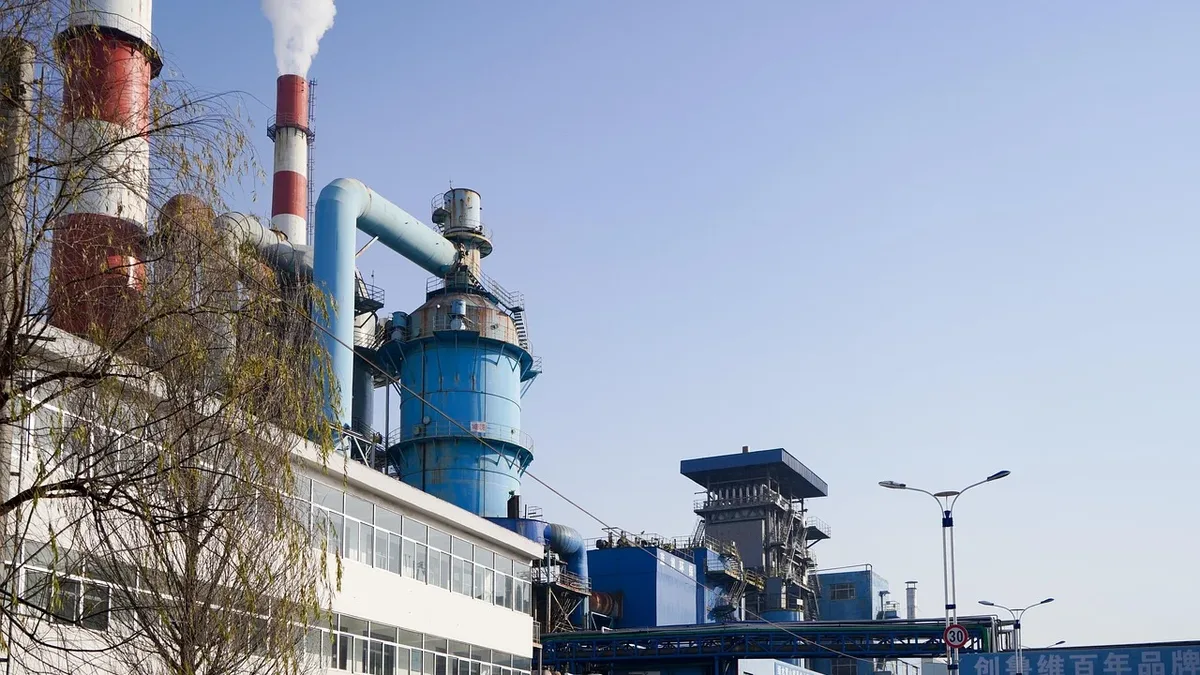
Vermeer Credits Tax Law for $44 Million Factory Expansion
Vermeer Corporation's CEO credits tax incentives for R&D and equipment for the decision to build a larger Iowa factory, creating up to 200 jobs.
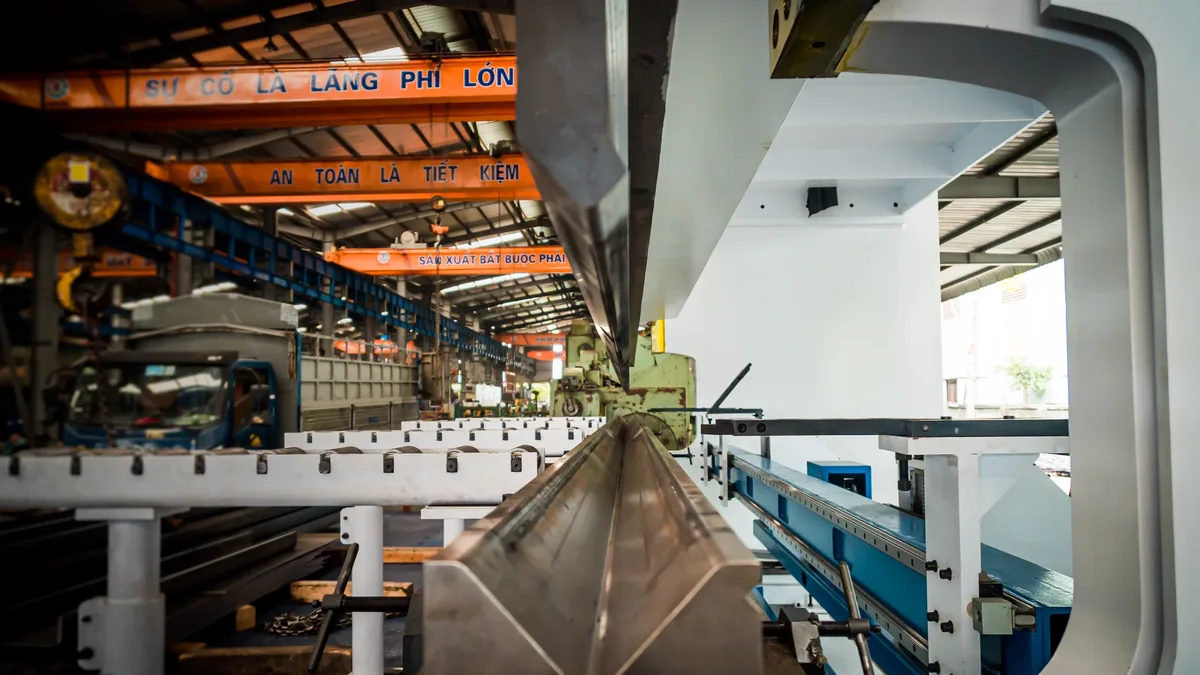
Rep. Moore: Tax Law Affects N.C. Factories
A tour of three NC manufacturers showed how recent tax provisions are funding new equipment, expansions, and job creation.
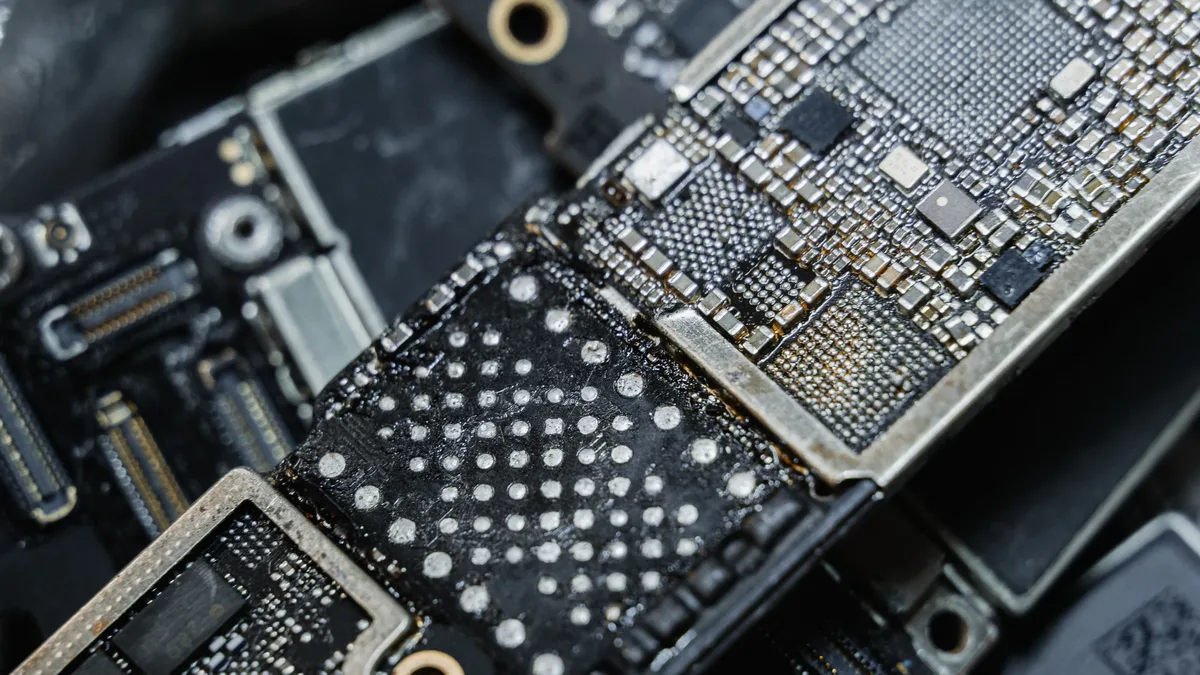
Mettler Toledo Aids Chipmakers in Global Expansion
Mettler Toledo is helping semiconductor manufacturers replicate proven processes and equipment standards across new global facilities to support...
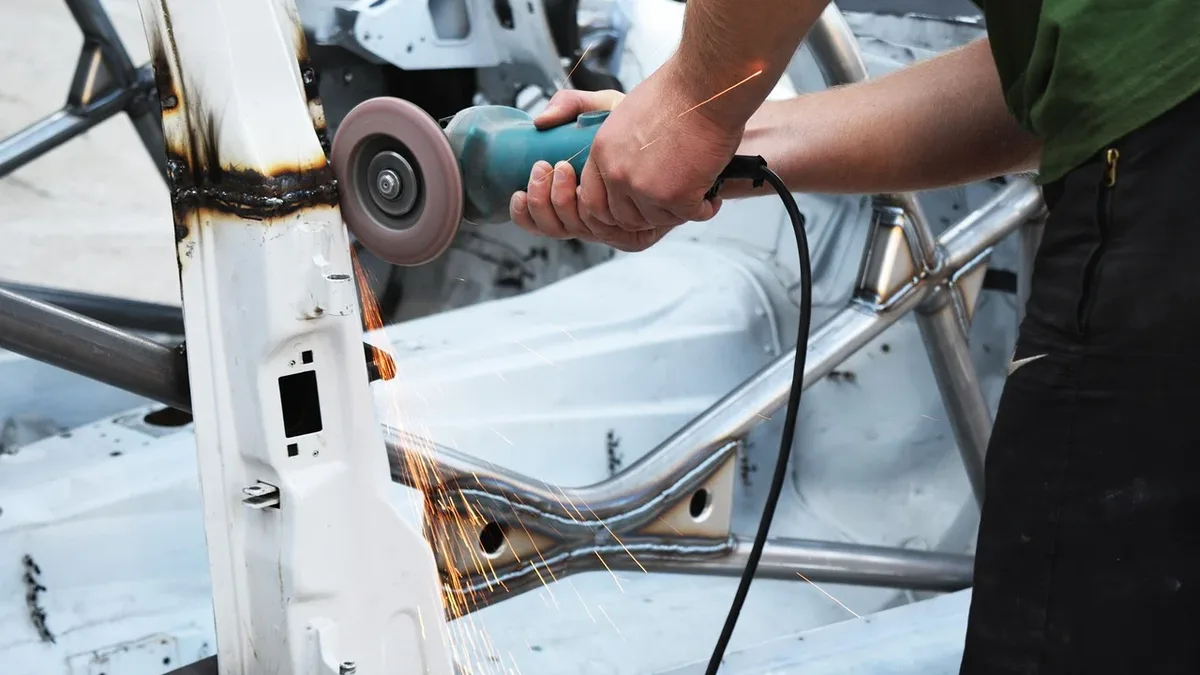
Agtonomy Enhances Autonomous Farm Equipment with Multi-Point Turning
Agtonomy has released new autonomous multi-point turning features for farm equipment, enabling complex maneuvers in tight spaces without human...