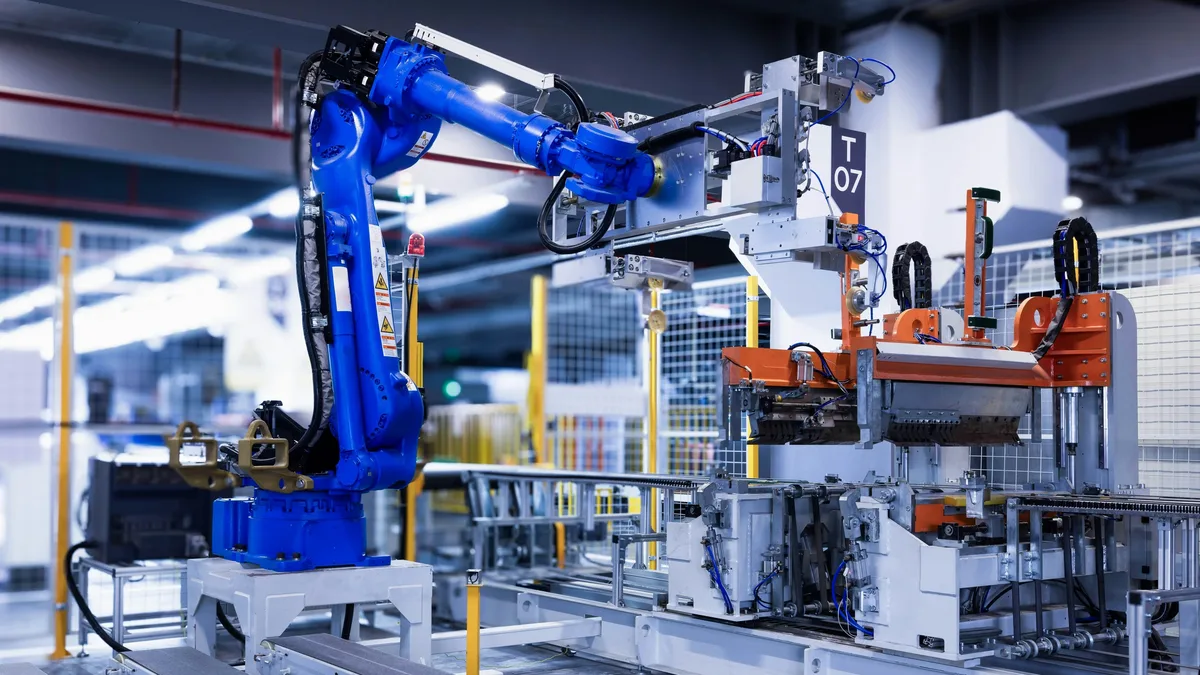
Rockwell Automation
| Founded | 1903 |
|---|---|
| Headquarters | Milwaukee, Wisconsin, United States |
| Industry | Industrial automation and information |
| Primary offerings | Hardware, software, and services for industrial control |
| Key brands | Allen-Bradley, Rockwell Software |
| Market focus | Manufacturing, process industries, infrastructure |
Overview
Rockwell Automation is a global provider of industrial automation and digital transformation solutions. The company's core focus is on helping manufacturers and industrial operators control, monitor, and optimize their production processes. Its product and software portfolio is designed to increase productivity, enhance safety, and improve sustainability across a wide range of industries, including automotive, food and beverage, and life sciences. The company's offerings are typically integrated into the physical operations of a factory floor, connecting machinery and processes to information systems. A factory investment announcement involving Rockwell Automation often signifies a capital project to upgrade control systems, implement new production lines, or pursue a digitalization initiative like a smart factory. Such investments are fundamentally aimed at improving operational efficiency, product quality, and asset utilization through advanced technology.
History
Rockwell Automation originates from the United States, with its foundational corporate history tracing back to the early 20th century. The company's automation-specific lineage is primarily linked to Allen-Bradley, a Milwaukee-based manufacturer of industrial control equipment founded in the first decade of the 1900s. Allen-Bradley became a seminal brand in the development of motor starters, relays, and programmable logic controllers (PLCs), which became the backbone of factory automation. The Rockwell name entered the picture in the latter part of the 20th century through a series of corporate acquisitions and mergers involving the parent company, Rockwell International. The automation division was spun off as an independent public company in the final years of the 1990s, taking the name Rockwell Automation and centering its identity on the Allen-Bradley product line. This history solidified its position as a North American industrial powerhouse with a deep legacy in discrete manufacturing, particularly in automotive and heavy industry.
How it works today
Today, Rockwell Automation functions by providing an integrated architecture that combines control hardware, software, and services. At the process level on the factory floor, its programmable automation controllers (PACs) and I/O modules execute logic to manage machinery, robotics, and batch processes. These controllers are programmed using proprietary software suites like Studio 5000, which allow engineers to design, simulate, and deploy control strategies. Information from these controllers is then networked, typically using EtherNet/IP, to higher-level systems such as Manufacturing Execution Systems (MES) and data historians for visualization and analysis. The company's FactoryTalk software platform acts as a central suite for applications including human-machine interface (HMI), analytics, and asset management, creating a unified information environment. In a modern investment context, this often involves deploying these technologies to create connected workcells, enable predictive maintenance, or gather granular production data for optimization, forming a key component of Industry 4.0 implementations.
Why it matters
Rockwell Automation matters because its control systems are deeply embedded in the operational infrastructure of a significant portion of global manufacturing, particularly in North America. A decision to standardize on or migrate to its ecosystem represents a long-term strategic commitment due to the high cost of switching and retraining personnel. Its technology plays a critical role in ensuring production consistency, worker safety through integrated safety controllers, and regulatory compliance in highly scrutinized industries like pharmaceuticals. When a factory announces a major investment in Rockwell Automation technology, it is frequently a signal of a move toward greater data integration and operational intelligence, not just a simple machinery refresh. The company's focus on open standards, while historically cautious, has increasingly aimed to allow legacy systems to interoperate with new cloud and analytics platforms, helping older factories modernize. Consequently, its market movements and technology direction serve as a barometer for capital spending trends in traditional industrial sectors embarking on digital transformation.
Common misconceptions
A common misconception is that Rockwell Automation is solely a hardware vendor, when in reality a substantial and growing part of its business and strategy revolves around software and recurring service revenue. Another is that its systems are inherently closed or proprietary in a way that completely prevents integration; while its architecture is optimized for internal synergy, it does provide gateways and supports certain open standards to connect with third-party systems, though this can add complexity. Some believe that implementing its technology guarantees a "lights-out" fully automated factory, whereas in practice it provides the tools, but successful outcomes depend heavily on internal expertise, process redesign, and change management. A frequent mistake made by investing companies is underestimating the depth of skilled programming and system integration required, leading to projects that deliver basic automation but fail to capture higher-value data and analytics benefits. Finally, it is often incorrectly assumed that the company's solutions are only suitable for large enterprises, but it also offers scalable products and packages targeted at the needs of small to mid-sized manufacturers.
Latest Rockwell Automation news
Latest reporting
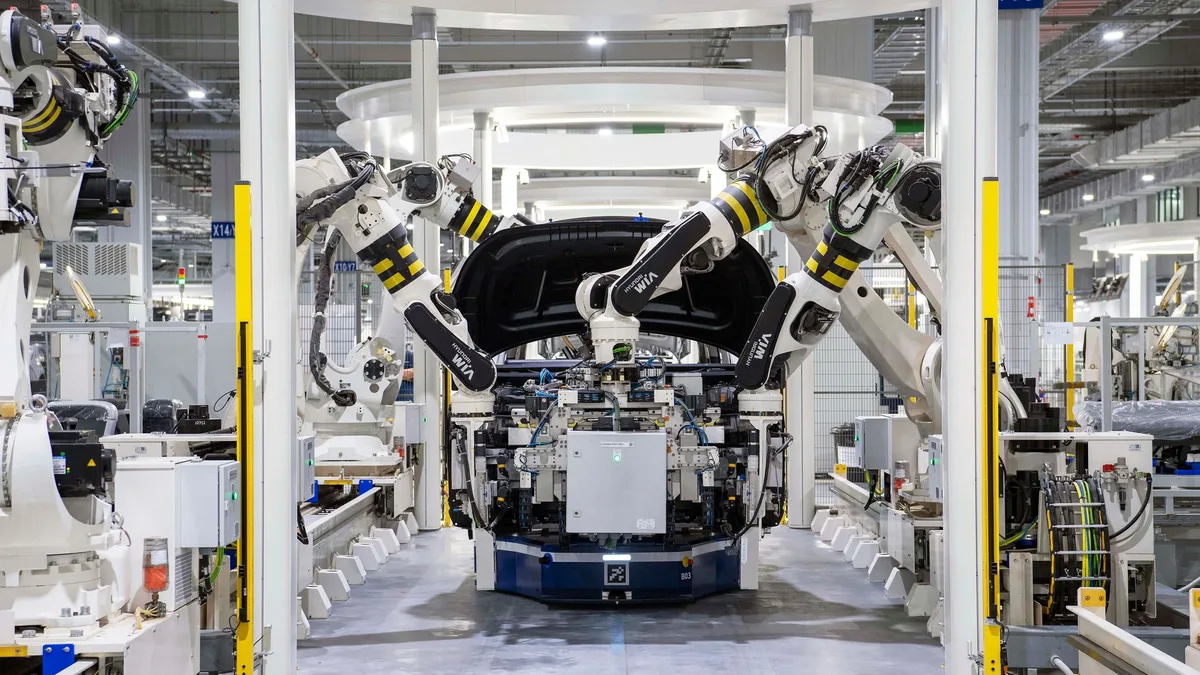
Schneider Electric executive warns humanoids
Andre Marino, Schneider Electric's senior vice president of industrial automation for North America, says humanoid robots are receiving too much...
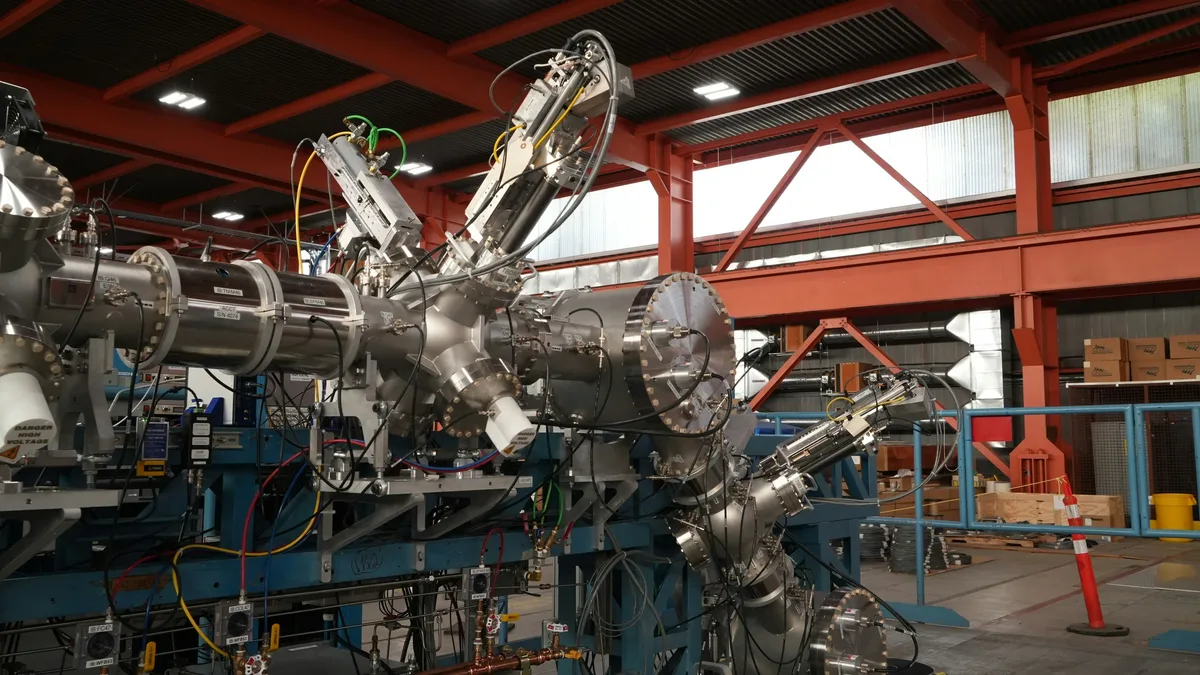
Winton Machine CEO on Starting a Manufacturing Business
Lisa Winton, CEO of factory automation firm Winton Machine, advises aspiring manufacturers to seize opportunities and use available resources, citing...
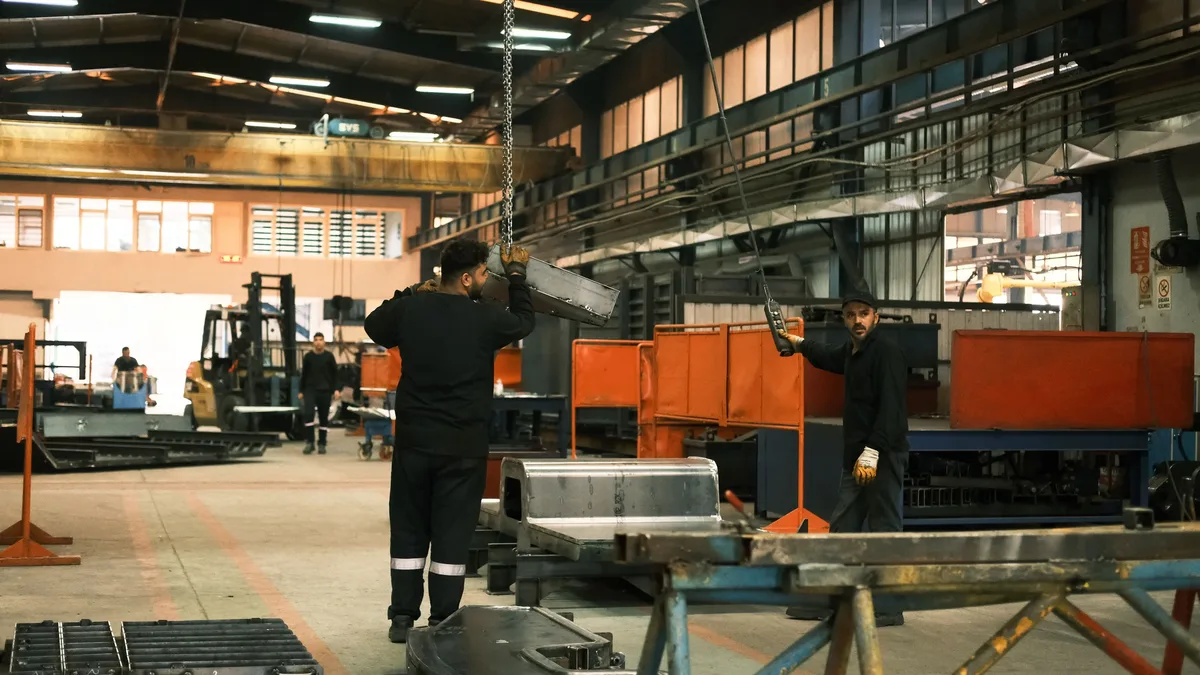
IMTS 2026 Exhibitors Unveil Factory Floor
New automation, tooling, and machining technologies will be showcased by multiple manufacturers at the IMTS 2026 trade show, per event previews.