Texas Samsung Taylor
Origin and history
The Samsung Taylor semiconductor manufacturing facility is a capital investment project by Samsung Electronics, a multinational conglomerate headquartered in South Korea. The project was formally announced by the company in the early 2020s, following a period of site selection and negotiation with state and local authorities in Texas. This announcement coincided with a global push to increase semiconductor manufacturing capacity, driven by supply chain vulnerabilities and rising demand. The decision to build in Taylor, Texas, represented a significant expansion of Samsung's existing manufacturing footprint in the United States, which includes a long-established facility in Austin. The project's history is directly tied to broader geopolitical and industrial policies encouraging the reshoring of advanced chip production. Its development followed the introduction of federal incentives designed to bolster domestic semiconductor manufacturing and research.
What it is for
The Texas Samsung Taylor facility is designed for the high-volume fabrication of advanced semiconductor components. These chips are integral to products including smartphones, high-performance computing servers, and artificial intelligence hardware. The factory, known as a fab or foundry, will process silicon wafers through hundreds of precise and complex photolithography, etching, and deposition steps in a cleanroom environment. This manufacturing process transforms blank wafers into integrated circuits containing billions of transistors. The output is intended to supply the global electronics market, with a strategic focus on serving key customers in North America and enhancing supply chain resilience for critical technologies.
Pros and cons
A primary advantage of this investment is the bolstering of domestic semiconductor supply chains, reducing sole dependence on manufacturing concentrated in East Asia. The project also promises substantial economic benefits for the region, including the creation of thousands of high-tech manufacturing and engineering jobs. Furthermore, it positions the United States to compete more directly in the production of the world's most advanced logic chips, which are crucial for national security and technological leadership. A significant con is the immense capital expenditure and long timeline required, with such facilities costing tens of billions of dollars and taking years to become fully operational and profitable. The project faces risks related to the cyclical nature of the semiconductor industry, where sudden drops in demand can lead to underutilization of extremely expensive capacity. Local communities may also experience strains on infrastructure and housing markets, and the facility's substantial water and energy consumption requirements can pose environmental and logistical challenges, particularly in Texas.
Who it suits
This investment project suits a national industrial strategy aimed at securing a stable supply of critical components for defense, automotive, and consumer electronics industries. It aligns with the needs of technology companies and product manufacturers seeking a geographically diversified source for advanced logic chips outside of traditional manufacturing hubs. The project is suited to regions with a strong existing technical workforce, supportive infrastructure for utilities, and favorable regulatory and incentive environments. It does not suit locations with chronic water scarcity or unstable power grids, given the facility's operational demands. The long-term, capital-intensive nature of the project suits a corporate entity with immense financial resources and the patience to navigate multi-year construction and process qualification phases before realizing a return.
Latest Texas Samsung Taylor news
Latest reporting

PlusAI to go public via $800M SPAC deal for autonomous
Autonomous truck software developer PlusAI is merging with a SPAC, valuing it at $800 million. The company is already generating revenue from its...
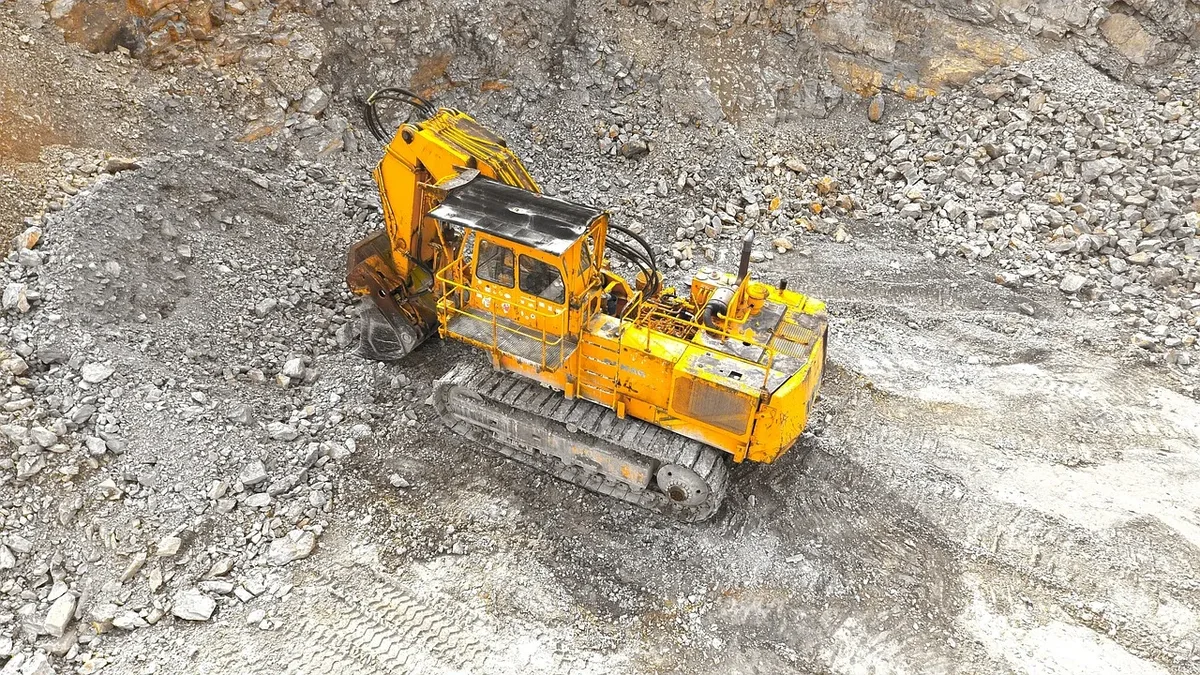
Bedrock Robotics Deploys First Operator-Free
Bedrock Robotics has deployed its first fully autonomous, retrofitted excavators on live infrastructure projects in Texas and Nevada.
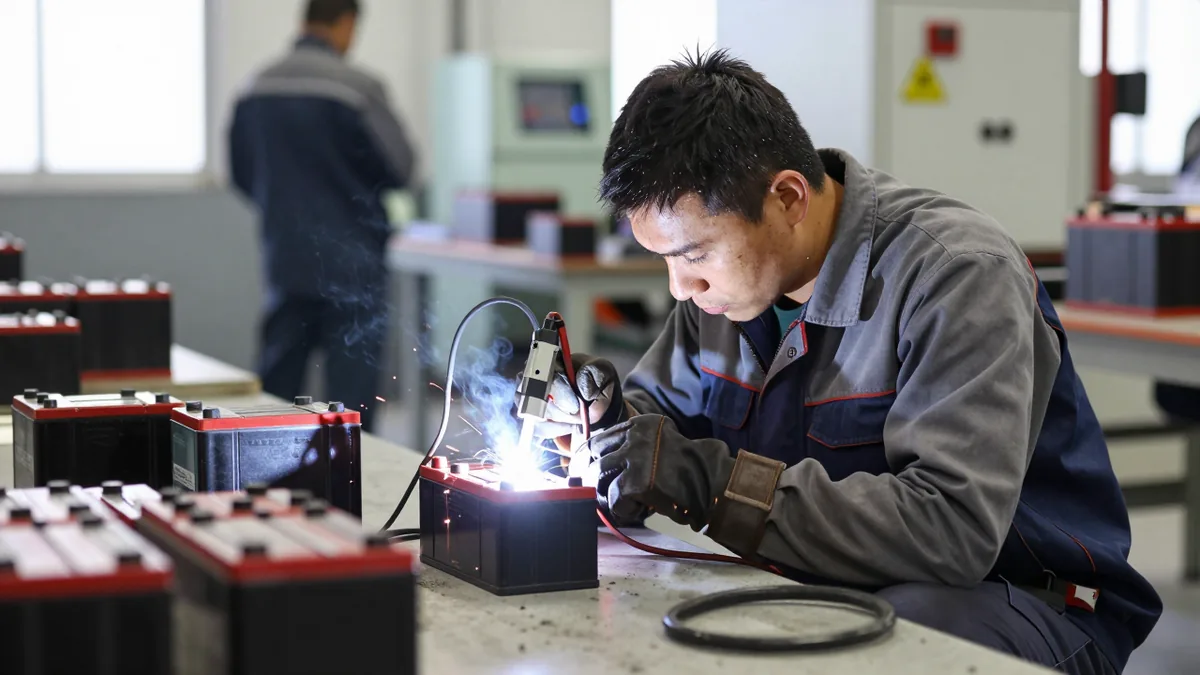
Samsung SDI Takes Full Control of Indiana EV Battery Plant After GM Exit
Samsung SDI has bought General Motors' 49.99% stake in the SynergyCells joint venture, turning the New Carlisle, Indiana facility into its first...