Bedrock Robotics Deploys First Operator-Free
Bedrock Robotics has deployed its first fully autonomous, retrofitted excavators on live infrastructure projects in Texas and Nevada.
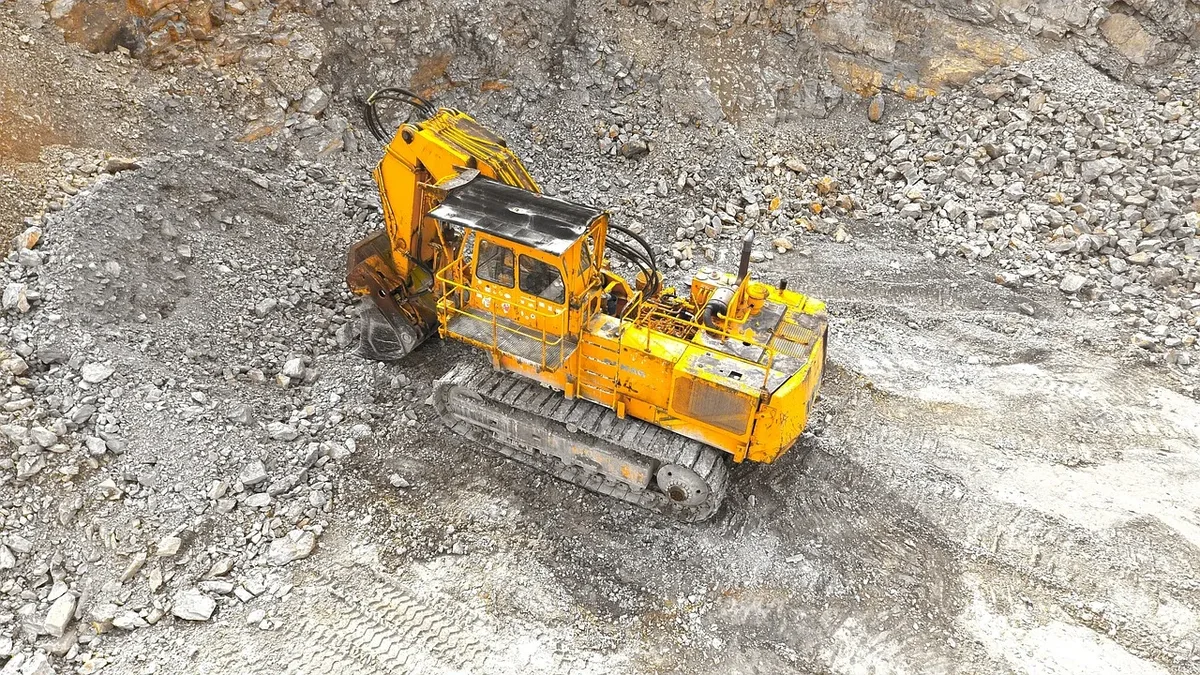
Bedrock Robotics Inc. has deployed its first fully autonomous excavators on active construction sites. The AI-driven, retrofitted machines are now operating on infrastructure projects in Texas and Nevada, according to a company report.
Backed by $350 million in venture capital, the San Francisco-based startup is led by former Waymo autonomy veterans. Bedrock asserts its plug-and-play retrofit system transforms complex earthwork into software-driven operations. This move comes as the industry grapples with a severe labor shortage.
Initial Projects Underway
The first deployments are partnerships with major contractors. These initial projects demonstrate the technology's shift from concept to physical application.
Kevin Peterson, Bedrock's Chief Technology Officer, told The Robot Report the machines are currently handling early earthwork. This includes clearing, cut-and-fill operations, and preparation for foundations. For now, the company is deploying new equipment outfitted at its headquarters. Peterson expects to be running on partner-owned equipment by year's end.
Safety as the Foremost Priority
Safety is the non-negotiable top priority for system deployment, Peterson stated. The autonomous machines must operate safely around other site vehicles and personnel. The system continuously monitors itself and its progress. It is designed to call for assistance if it encounters a problem, maintaining a "person in the loop" to ensure successful operations with minimal disruption.
Bedrock's technology retrofits existing excavators with a sophisticated sensor and compute suite. The company claims installation can be completed in a single day without permanent modifications. The system's AI model, trained on tens of thousands of field hours, allows it to perceive, plan, and execute tasks autonomously after a site manager sets the initial plan.
Scaling the Technology
Peterson outlined three key next steps for the startup. The first is scaling up deployments to gain more customer experience. The second is expanding the range of tasks the machines can perform, moving into more finesse-oriented work. The third, a longer-term goal, is orchestrating multiple machine types to work together as a coordinated fleet.
This vision includes having excavators, bulldozers, trucks, and graders operate as a team. The aim is to accelerate building projects, both simple and complex, by enabling machines to collaborate.
Addressing Industry Crises
The construction sector is facing severe pressures. Bedrock notes that 20% of construction workers are over age 55. Analysts estimate over 40% of the industry's workforce will retire within five years. Large projects already average 20% over schedule and 80% over budget. Safety is another critical driver; construction accounts for 7.5% of the U.S. workforce but 20% of workplace deaths.
Boris Sofman, co-founder and CEO of Bedrock Robotics, called the physical economy the next frontier for machine learning. He stated the company is moving toward coordinated fleets that can self-orchestrate entire scopes of work. This shift, he said, redefines not just single-machine productivity but the scale of what contractors and the country can achieve.
The company prioritized excavators as they are the most complex and highly utilized machines on a site, often comprising 25% of a contractor's fleet. Mastering an excavator can take over five years, making skilled operators hard to find consistently. By automating the critical first phase of excavation, Bedrock aims to bring predictability to the foundation of every major project. Until earthwork is complete, no subsequent construction phase can begin.
After a year of testing on active sites under human supervision, the machines have proven their readiness. Cade Rowley, CEO of Sundt Construction, said the partnership helps tackle schedule and cost predictability. It also allows skilled crews to focus on work where their experience matters most.