Ohio Intel New Albany
| Project name | Intel Ohio New Albany |
|---|---|
| Country of origin | United States |
| Original use | Semiconductor fabrication |
| First created | 2022 |
| Status | Under construction |
| Owner | Intel Corporation |
| Product focus | Advanced logic semiconductors |
| Site area | Approximately 1,000 acres |
Origin and history
The Ohio Intel New Albany project is a major semiconductor manufacturing facility under construction in New Albany, Ohio, United States. Its origin traces to the corporate strategy of Intel Corporation, a multinational company founded in the United States in the late 1960s. The specific project was announced by Intel in the early 2020s as a cornerstone of its planned domestic manufacturing expansion. This initiative was developed in response to global supply chain vulnerabilities and legislative pushes for regional semiconductor resilience. The site selection process involved extensive evaluation of infrastructure, workforce, and logistical factors across multiple U.S. regions. The State of Ohio and the Columbus region were ultimately chosen as the location for this significant greenfield investment, marking a substantial shift in domestic semiconductor fabrication capacity.
What it is for
The Ohio Intel New Albany facility is designed for the high-volume manufacturing of advanced semiconductor components, commonly known as chips. Its primary function is to produce the silicon wafers that form the computational foundation for a vast array of electronic devices. These components are essential for data centers, personal computers, and a growing number of artificial intelligence applications. The factory, or "fab," will house cleanroom environments where intricate patterns are etched onto silicon wafers through complex photolithography and chemical processes. The output is intended to supply both Intel's own product lines and the needs of its foundry customers, who outsource their chip manufacturing. This project is fundamentally an industrial manufacturing operation aimed at increasing the physical production of critical technology within the United States.
Pros and cons
A primary advantage of the Ohio Intel New Albany project is its contribution to diversifying the global geographic concentration of advanced semiconductor manufacturing, which mitigates strategic supply chain risks. It is also expected to generate thousands of high-tech construction and operational jobs, stimulating regional economic development and creating a skilled workforce hub. However, the project involves immense capital expenditure, with costs subject to inflationary pressures and construction complexities that can lead to significant budget overruns and timeline delays. The facility requires a sustained, reliable supply of substantial amounts of water and electricity, placing long-term demands on local utilities and potentially creating resource tensions. A common mistake for communities hosting such projects is underestimating the infrastructural and housing burdens that rapid, large-scale development can impose on existing residents. Some regions that have pursued similar mega-projects have later regretted the scale of public incentives provided if the promised secondary economic benefits fail to materialize as broadly or as quickly as projected.
Who it suits
This investment project suits a geographic region with robust existing infrastructure, including reliable high-capacity power grids and abundant water resources, to support intense manufacturing operations. It suits a state and local government prepared to make long-term commitments to workforce development pipelines, from vocational training to advanced engineering degrees, to feed the facility's talent needs. The project suits Intel's corporate strategy of expanding its manufacturing footprint to secure supply and offer foundry services in a geopolitically stable jurisdiction. It suits the broader policy goals of national governments seeking to onshore critical technological production for economic and security reasons. The project does not suit regions with fragile ecosystems unable to accommodate the industrial-scale water reclamation requirements or areas lacking the transportation and utility backbone for such a complex operation. Ultimately, it suits a long-term partnership between a corporation, government entities, and educational institutions aligned on a decade-scale industrial development plan.
Latest Ohio Intel New Albany news
Latest reporting
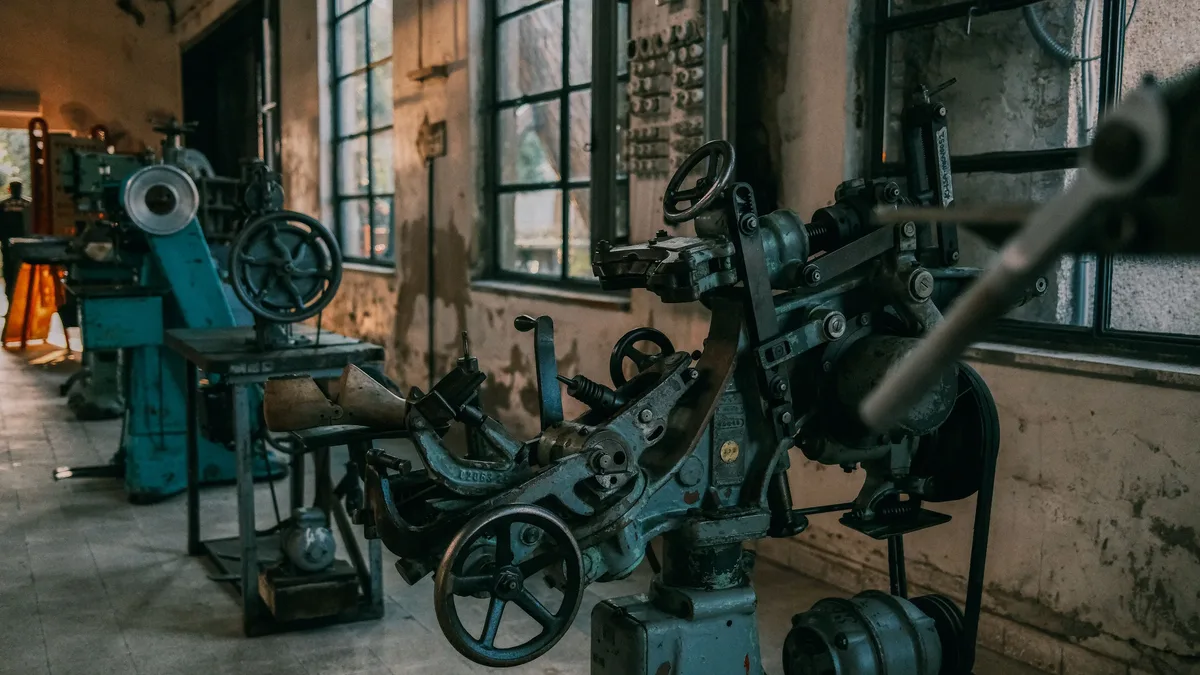
Four States Open Manufacturing Training Hubs with New
New York, New Mexico, Ohio, and Illinois are launching new advanced manufacturing workforce training centers and programs, backed by state...
Intel report finds robotics strategy gap
An Intel survey shows manufacturers expect to adopt robotics but many lack formal strategies for managing a mixed human-robot workforce.
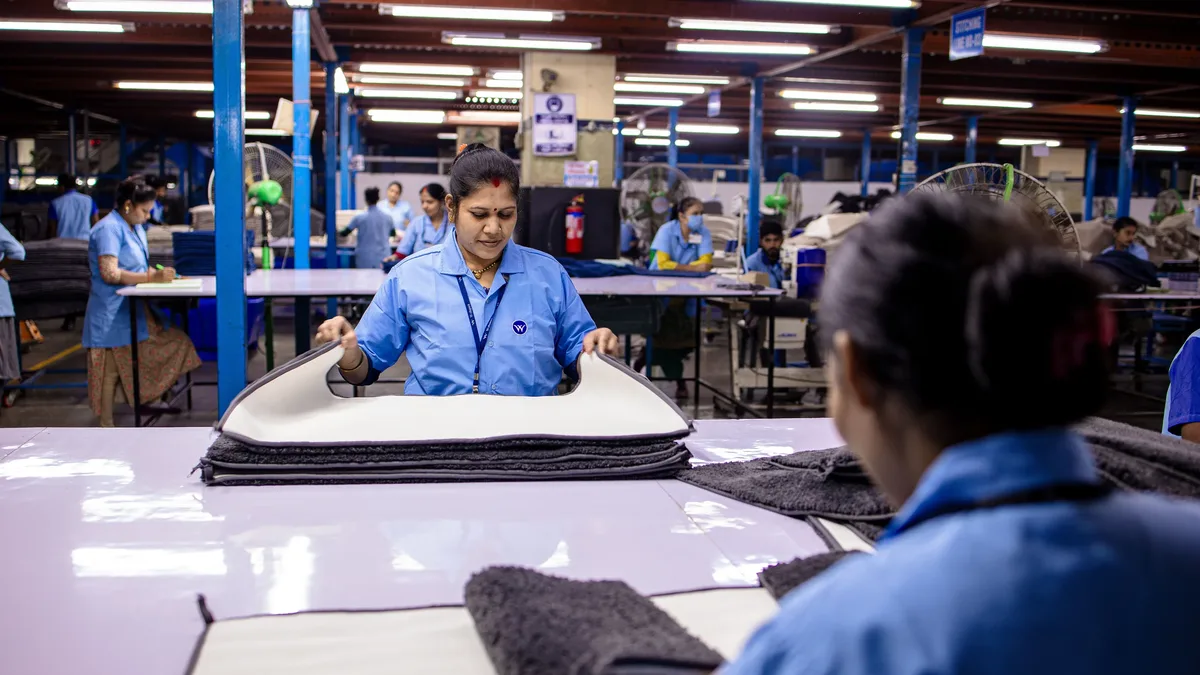
Ohio ODOD Misuses MEP Funds, Audit Finds
Ohio's Office of Development and Opportunity misused $20.9 million in Manufacturing Extension Partnership award funds, audit shows. The audit also...