
Training Partnerships With Community Colleges
| Recall | Process on the floor, factory investment announced |
|---|---|
| Partnership type | Structured collaboration between manufacturer and educational institution |
| Typical duration | Multi-year agreement |
| Primary objective | Develop a skilled workforce pipeline |
| Key deliverable | Customized training curriculum |
| Typical trainee outcome | Industry-recognized credential or certification |
| Common funding model | Company investment in equipment and/or program support |
Origin and history
Training partnerships between manufacturers and community colleges originated in the United States in the mid-20th century. Their development accelerated during the 1960s and 1970s alongside the expansion of the community college system nationwide. These partnerships were a pragmatic response to a growing skills gap in advanced manufacturing and technical fields. The model was formally encouraged by federal legislation, such as the Perkins Career and Technical Education Act, first passed in the 1980s. Historical documentation shows these collaborations became a stable feature of regional economic development strategies by the 1990s. Their structure has evolved from simple donation agreements to complex, co-designed curriculum and shared facility arrangements.
What it is for
This process is for creating a reliable pipeline of skilled technicians and operators specifically tailored to a factory's equipment and processes. It is for reducing the time and cost associated with recruiting and training new hires from a general applicant pool. The process serves to align educational outcomes directly with the technical competencies required on the factory floor. It is for providing incumbent workers with upskilling pathways, particularly when new technology is introduced. Furthermore, it is for strengthening the manufacturer's ties to the local community and stabilizing the regional labor market. Ultimately, it is for mitigating the risk associated with a factory's capital investment in new machinery by ensuring a workforce capable of operating it.
Overview
A training partnership is a formal agreement between a manufacturing company and a local community college to develop specialized workforce training programs. The core of the partnership typically involves collaboration on curriculum design, often resulting in certificate or associate degree pathways. The factory frequently provides input on the specific skills, safety protocols, and equipment proficiencies required. In many cases, the company may donate or loan current-generation equipment to the college's training lab. Instructors may include both college faculty and industry experts provided by the partner company. The process often culminates in work-based learning components, such as internships or apprenticeships, that lead directly to job offers.
What to know
The partnership requires a significant upfront investment of time from both company personnel and college administrators to establish. A successful agreement hinges on clear communication about the factory's exact technical needs and the college's academic standards and accreditation requirements. The curriculum developed is often proprietary to the partnership and may not be transferable to other manufacturers or regions. Funding for these programs can come from the company, the college, state workforce grants, or a combination of all three. It is critical to know that the return on investment is not immediate and is measured over years in reduced turnover and higher productivity. Legal agreements must clearly define responsibilities for equipment maintenance, liability, and intellectual property related to any custom training materials.
Common questions
How long does it take from initial discussions to having the first graduates in the factory? What is the typical cost structure, and who bears the expense for equipment and instructor time? Can incumbent employees of the factory enroll in these tailored programs for upskilling, and if so, how is scheduling managed? What happens if the factory's technology changes after the curriculum is set; is there a mechanism for updating the training? Are the students in these pipeline programs guaranteed a job upon successful completion, or is it simply a preferred applicant pool? How does the college ensure that the training still provides broadly applicable knowledge for students who may not ultimately join the partner company?
Pros and cons
A major pro is the creation of a highly specific talent pipeline that drastically reduces onboarding time and improves early job performance. These partnerships also enhance the factory's community standing and provide a structured path for employee advancement. A significant con is the high initial investment in coordination, equipment, and curriculum development with no short-term payoff. Companies often regret the partnership if internal stakeholders are not fully committed, leading to poor communication and a misaligned curriculum. A common mistake is failing to plan for curriculum refreshes, leaving the training obsolete within a few years as processes evolve. Another drawback is the potential dependency on a single source for talent, which can be risky if the college program faces its own administrative or funding challenges.
Who it suits
This process suits established manufacturers making a long-term capital investment in new, specialized technology requiring skilled operators. It suits companies located in regions with a stable community college that has a strong, existing technical education department. It is well-suited for industries with standardized but complex technical roles, such as advanced machining, mechatronics, industrial maintenance, and process technology. The model suits companies that have the internal capacity to dedicate personnel, such as senior technicians and HR staff, to the partnership's ongoing management. It is less suited for highly volatile industries with rapidly changing core processes or for very small shops without the resources for sustained collaboration. It also may not suit companies in regions with significant labor mobility, where graduates might be recruited by competitors.
Latest Training Partnerships With Community Colleges news
Latest reporting

AI for Engineers Launches 2027 Outlook Survey and Conference
Arrowfly launches AI for Engineers with a 2027 Outlook survey across five engineering disciplines and an inaugural conference in September 2027...

Qualcomm Acquires PickNik to Integrate MoveIt Pro
Qualcomm Technologies has acquired robotics software firm PickNik Inc., aiming to integrate the open-source MoveIt framework with its Dragonwing...
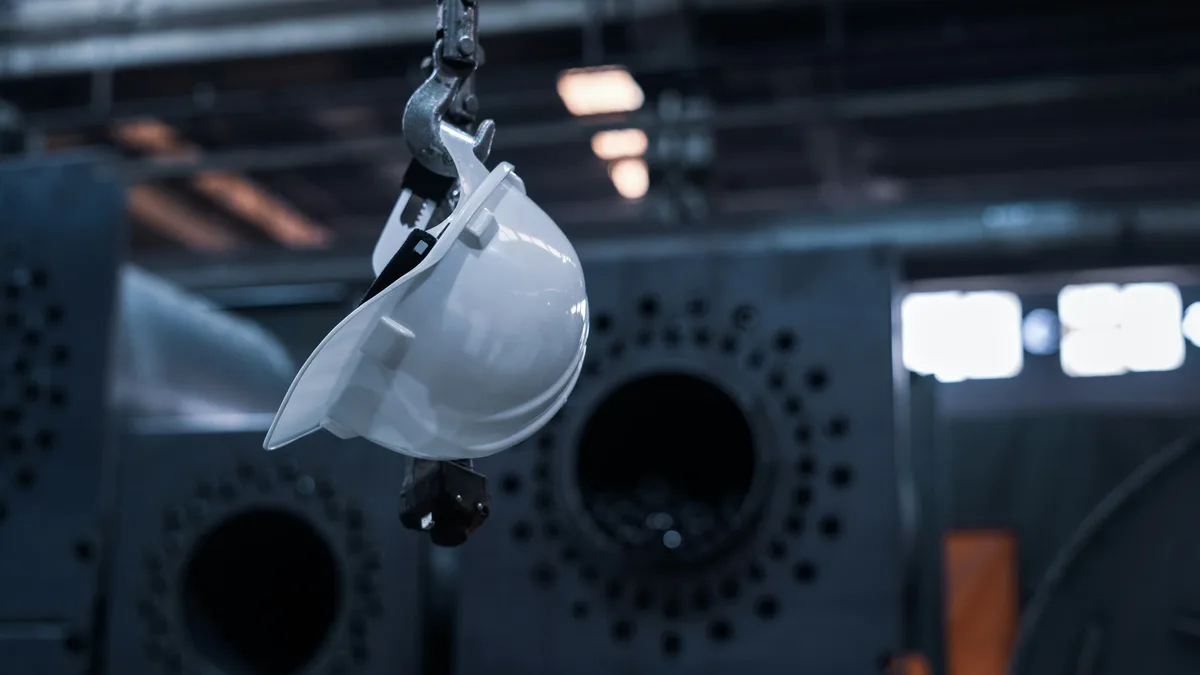
University of New Haven and i5 Services Launch Supply Chain
The University of New Haven's Elevation Center has partnered with i5 Services to create a Supply Chain Resiliency Hub using the CONNEX Marketplace

Boston Dynamics Opens Atlas Robot Training Center at Hyundai
Boston Dynamics has opened a permanent Robotics Metaplant Application Center at Hyundai's Georgia auto plant to train its Atlas humanoid robots for
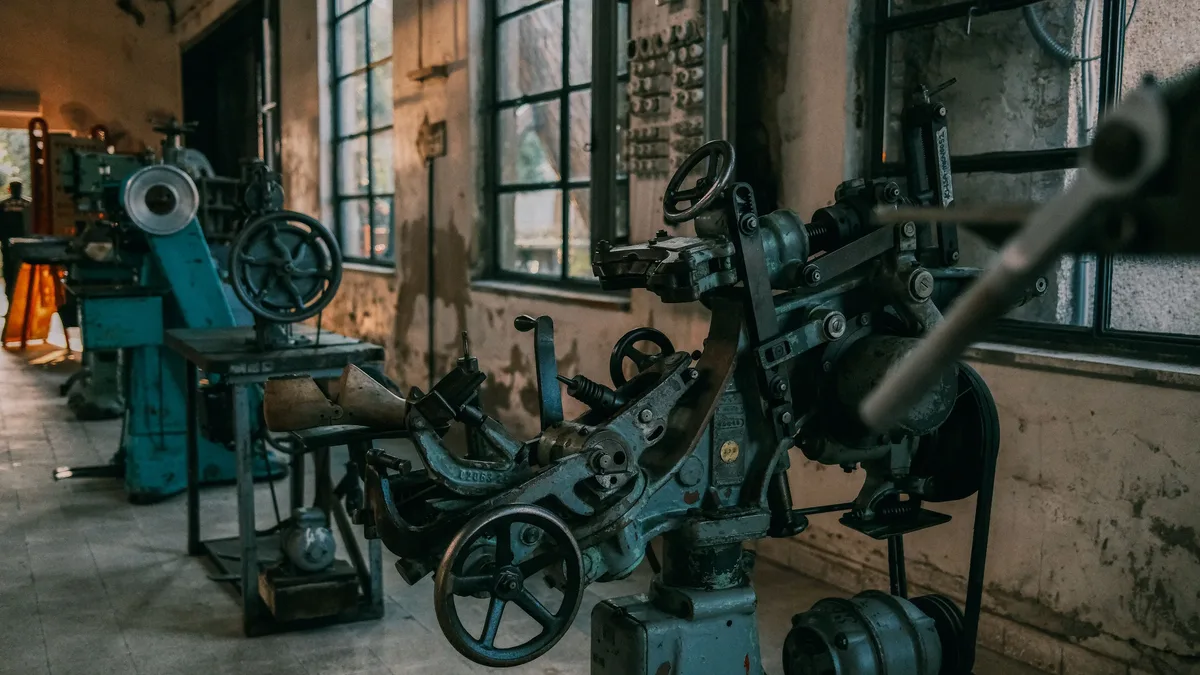
Four States Open Manufacturing Training Hubs with New
New York, New Mexico, Ohio, and Illinois are launching new advanced manufacturing workforce training centers and programs, backed by state...
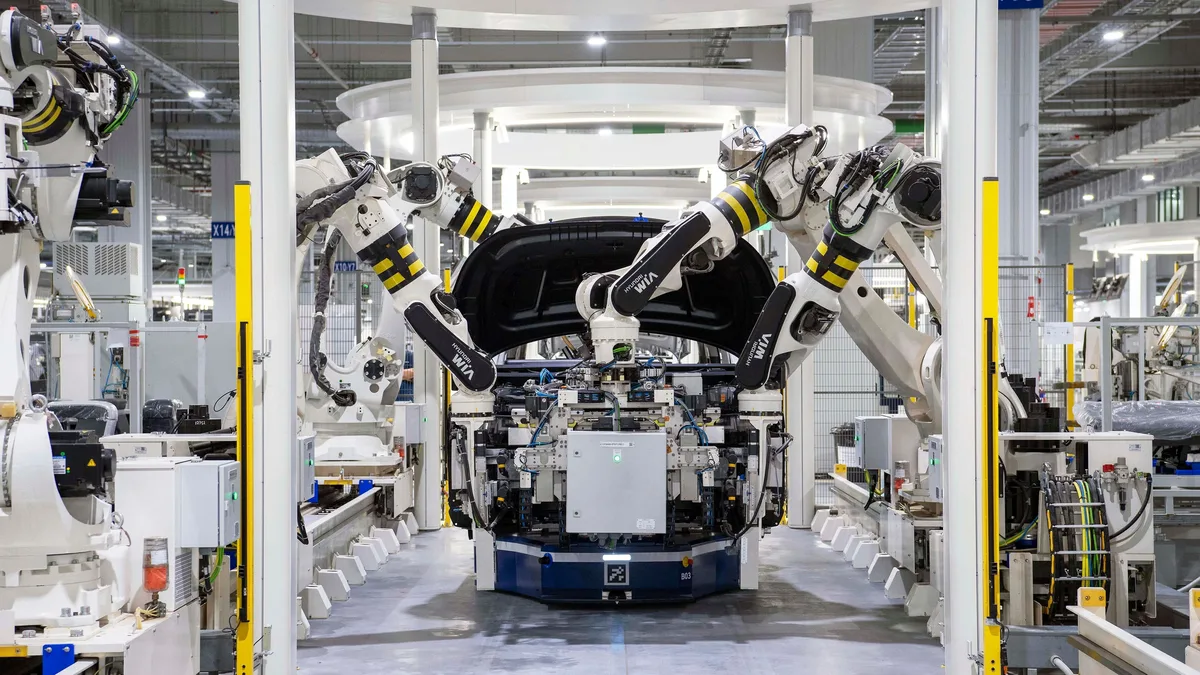
Arm Launches Physical AI Ecosystem with 80+ Partners
Arm Holdings has launched its Arm Total Design for Physical AI program, uniting over 80 companies to improve interoperability in robotics and AI...