Trade Shows
| Process type | Product announcement and demonstration |
|---|---|
| Primary audience | Industry professionals and press |
| Typical duration | 2 to 5 days |
| Typical location | Convention center or large exhibition hall |
| Core activity | Booth-based product display and live demos |
| Key business purpose | Generate sales leads and media coverage |
| Common participants | Manufacturers, distributors, and industry media |
Origin and history
Trade shows, as a formalized commercial practice, originated in medieval Europe during the late Middle Ages. Merchants and craftsmen from various regions would gather in major market towns at periodic fairs to display and sell their goods. The modern concept of the industry-specific trade show, however, emerged in the 19th century alongside the Industrial Revolution. The Great Exhibition of 1851 in London is often cited as a pivotal prototype, showcasing manufactured goods from around the world in a dedicated venue. Throughout the 20th century, trade shows became a standard component of business-to-business marketing, particularly in manufacturing sectors in North America and Europe. The development of large, permanent convention centers in the mid-20th century further institutionalized these events as essential industry meeting points.
What it is for
Trade shows serve as a concentrated platform for companies to exhibit their latest products, services, and technologies to a targeted audience. Their primary function is to facilitate direct engagement between sellers and potential buyers, including distributors, retailers, and industrial clients. A core purpose is lead generation, where exhibitors collect contact information from interested parties for future sales follow-up. They are also a critical venue for monitoring competitors, conducting informal market research, and gauging industry trends firsthand. Beyond sales, these events function as a forum for professional networking, strengthening relationships with existing clients and partners. Announcing significant corporate investments, such as a new factory, at a trade show leverages the gathered industry attention to maximize the strategic impact of the news.
Overview
A trade show is a temporary marketplace, typically held in a convention center or exhibition hall, organized around a specific industry or sector. The event floor is composed of individual booths or stands of varying sizes, which companies rent to create a physical display of their offerings. The process on the floor involves a continuous flow of attendees past these booths, where exhibitor staff engage visitors in conversation, demonstrate products, and exchange materials. A major announcement, like a new factory investment, is often staged as a central event, possibly involving a press conference or a keynote speech within the show schedule. The environment is designed for high-density, face-to-face interaction over a condensed period, usually spanning several days. Logistics such as booth design, shipping of exhibits, and staff scheduling are complex and require extensive planning months in advance.
What to know
Exhibiting at a trade show represents a significant financial investment encompassing booth space rental, design and construction, travel, staffing, and promotional materials. Success is not guaranteed by mere attendance; it requires clear objectives, pre-show marketing to schedule meetings, and trained staff adept at qualifying leads. The announcement of a major capital investment, such as a factory, must be carefully integrated into the overall show strategy to capture media and attendee interest effectively. Understanding the attendee demographics and the competitive landscape of the show floor is crucial for positioning and messaging. Post-show follow-up on gathered leads is universally acknowledged as the most critical and often most neglected phase of the process. Compliance with the show organizer's rules regarding booth specifications, union labor for setup, and safety protocols is mandatory and can incur substantial additional costs.
Common questions
Companies frequently ask what measurable return on investment they can expect from participating in a trade show, though this is often tracked through lead quantity and quality rather than immediate sales. A common question concerns the optimal booth size and location, with prime spots like aisle corners or near entrances commanding higher fees for increased foot traffic. Exhibitors often inquire about strategies to attract visitors to their booth, which can include scheduled demonstrations, giveaways, or hospitality suites. Many wonder about the best practices for staffing the booth, including shift rotations to maintain energy and the mix of sales, technical, and executive personnel required. Questions regarding the timing and format of a major announcement, such as a factory investment, focus on maximizing exposure through press releases, media briefings, and on-site signage. Attendees commonly seek guidance on how to efficiently navigate large shows, often relying on pre-published floor plans and schedules to prioritize which booths to visit.
Pros and cons
The ability to physically demonstrate large, complex, or hands-on products that cannot be fully conveyed through digital means is a significant pro. Announcing a major initiative like a factory at a trade show provides immediate industry credibility and can dominate the event's news cycle. A major con is the high total cost, which can strain marketing budgets with uncertain or long-term returns, making failure costly. Exhibitors often regret participation if they arrive unprepared, with untrained staff or vague goals, resulting in wasted resources and poor lead capture. A common mistake is underestimating the physical and mental exhaustion for staff, leading to diminished engagement as the show progresses and missed opportunities.
Who it suits
Trade shows are well-suited for established businesses with tangible products or complex services that benefit from in-person demonstration and discussion. They are particularly effective for companies launching new products or making significant strategic announcements, like a factory expansion, that require broad industry awareness. Large corporations with substantial marketing budgets can leverage them to reinforce market dominance and maintain a pervasive brand presence. Conversely, very small startups or businesses with purely digital offerings may find the cost and format less efficient than targeted online marketing. Industries that are inherently relational, such as heavy manufacturing, industrial components, and professional services, find them indispensable for maintaining networks. Companies with a clear target customer profile that aligns with the show's attendee demographics are the best candidates to justify the investment.
Latest Trade Shows news
Latest reporting

U.S.-China Trade Truce Extended to Jan 10, Pausing Port Fees
The U.S. And China extended their trade truce by two months to January 10, delaying U.S. Port fees on Chinese ships and China's ban on rare earth...
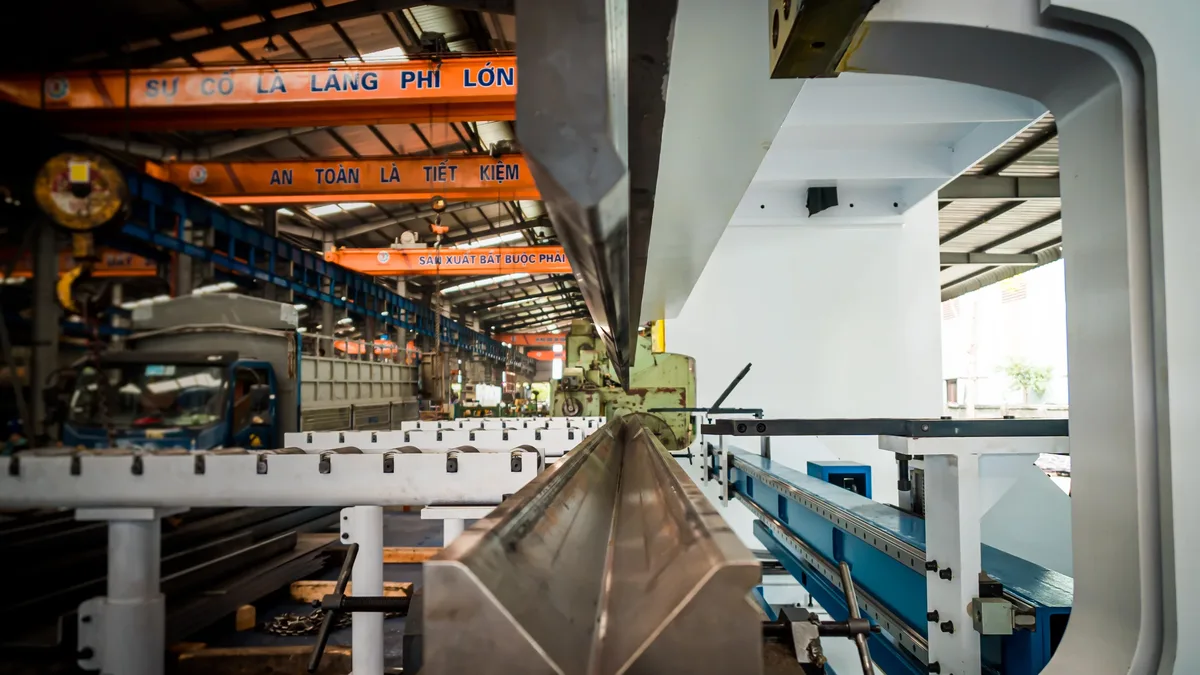
U.S. Manufacturing Output Dips in August Amid Major Factory
Federal Reserve data shows a 0.3% drop in manufacturing output for August, breaking a seven-month growth streak.
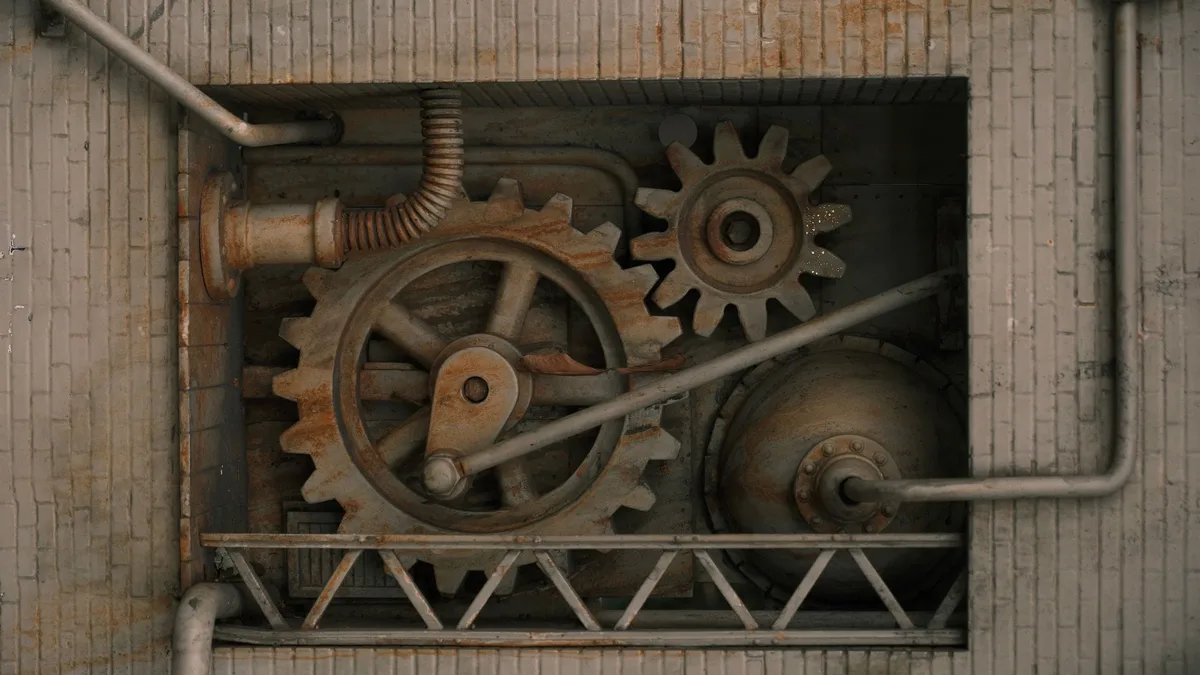
GAM Engineer Explains When Rack and Pinion Beats Ball Screws
A GAM design engineer details the technical trade-offs between rack and pinion, ball screws, and linear motors for long-travel machine axes...
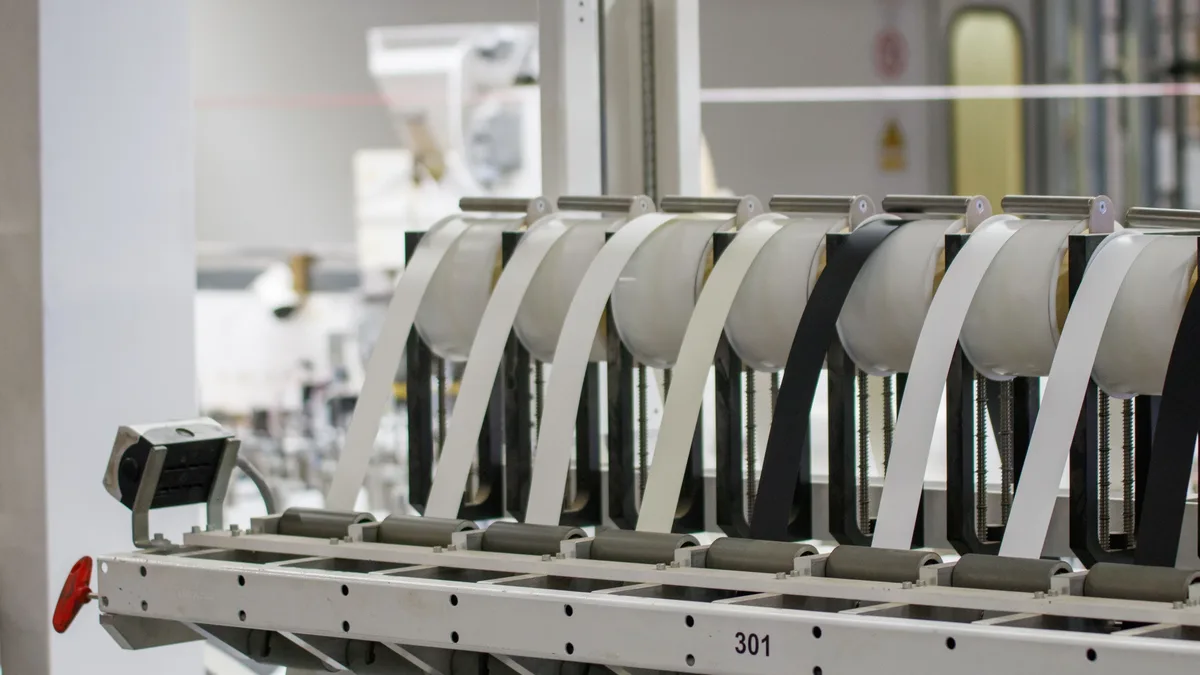
GAM Engineer Details Rack and Pinion Selection Process
A GAM design engineer outlines the critical trade-offs between speed, force, and precision when selecting rack and pinion systems for linear motion
Intel report finds robotics strategy gap
An Intel survey shows manufacturers expect to adopt robotics but many lack formal strategies for managing a mixed human-robot workforce.
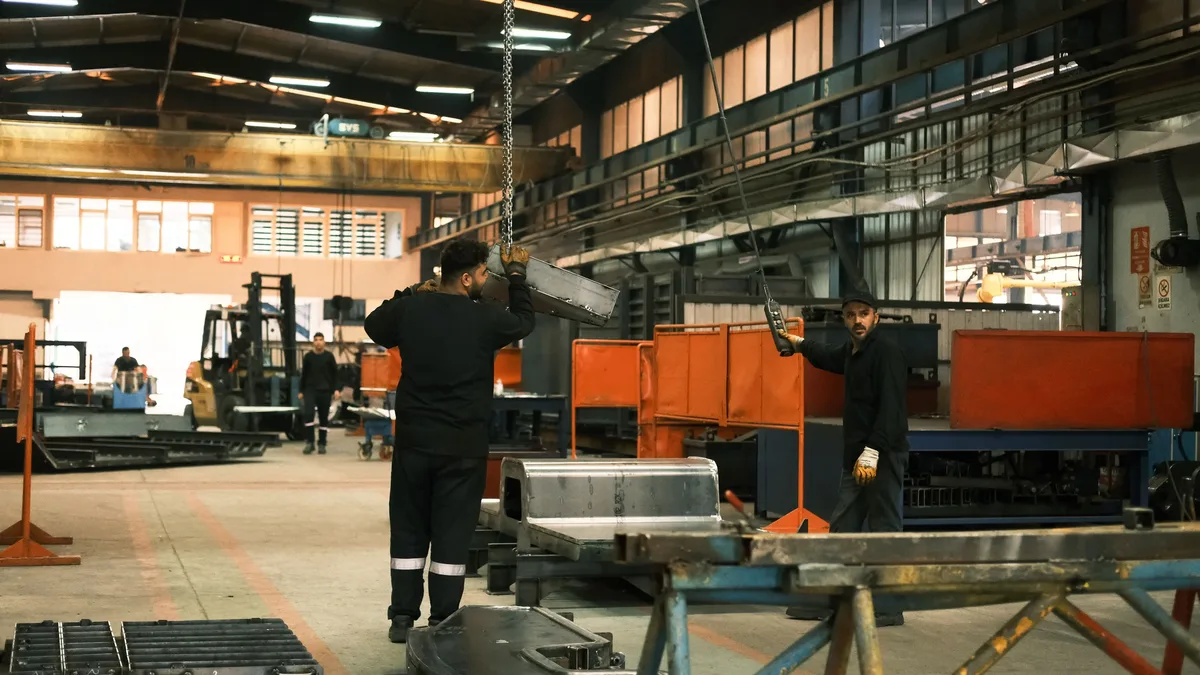
IMTS 2026 Exhibitors Unveil Factory Floor
New automation, tooling, and machining technologies will be showcased by multiple manufacturers at the IMTS 2026 trade show, per event previews.