Sole Source Risk And Second Sourcing
| Process type | Supply chain risk management and manufacturing strategy |
|---|---|
| Original use | Mitigate supply disruption and reduce dependency on a single supplier |
| Key risk | Single point of failure in the supply chain |
| Primary mitigation | Development of an alternative, qualified supplier |
| Typical trigger | High-volume or critical component procurement |
| Common challenge | Qualification cost and timeline for second source |
| Typical outcome | Dual-sourced supply for the same component or material |
Origin and history
The formalized business concepts of Sole Source Risk and Second Sourcing emerged from the manufacturing and defense industries of the United States in the mid-20th century. The practice of second sourcing, where a buyer contracts with multiple suppliers for the same component, became particularly prominent in the electronics and aerospace sectors during the 1960s and 1970s. This was driven by the need for the U.S. Department of Defense to ensure a stable supply of critical parts and to foster competition among semiconductor manufacturers. The explicit identification of "sole source risk" as a distinct category of supply chain vulnerability followed as a natural consequence of this procurement strategy. The terminology and structured analysis of these concepts have since become foundational elements of global supply chain management and procurement textbooks. Their relevance has expanded beyond defense into virtually every industrial sector, especially with the rise of complex, globalized supply networks.
What it is for
Sole Source Risk and Second Sourcing is a strategic supply chain management process designed to identify, assess, and mitigate the dangers of relying on a single supplier for a critical component or material. Its primary function is to ensure business continuity by preventing a production stoppage should the sole supplier fail. The process is also employed to maintain competitive pricing and to safeguard against quality issues that may arise from a supplier with no direct competition. It serves to reduce dependency, thereby increasing a buyer's negotiating leverage and strategic flexibility. Furthermore, it is a key risk management tool for protecting intellectual property and specialized manufacturing knowledge by preventing a single external entity from becoming an irreplaceable custodian of that capability. Ultimately, it is for building a resilient and responsive supply base that can adapt to disruptions ranging from natural disasters to geopolitical tensions.
Overview
The process systematically evaluates every critical item in a bill of materials to determine if it is sourced from only one supplier, which defines a sole source. For each identified sole source, a risk assessment is conducted, analyzing factors such as the supplier's financial health, geopolitical location, capacity constraints, and historical performance. Based on the severity of the risk, the process dictates the development and execution of a mitigation plan, for which second sourcing is a primary tactical option. Second sourcing involves the deliberate cultivation of an alternative, qualified supplier for the same component, often requiring the transfer of designs, tooling, and process knowledge. This is not merely finding another vendor; it involves a rigorous technical and commercial qualification to ensure parity in quality and performance. The full process is cyclical, requiring periodic re-audit of the supply base as parts become obsolete, new technologies emerge, and supplier circumstances change.
What to know
A critical thing to know is that second sourcing is often a costly and time-intensive engineering endeavor, not a simple procurement exercise. It requires significant investment in supplier development, testing, and validation, which can take months or even years for complex, custom, or safety-critical components. You should understand that the goal is not always to split purchases 50/50 between two suppliers; often, a primary supplier is maintained with a qualified secondary supplier kept in a "warm" state, ready for rapid ramp-up. It is essential to know that second sourcing can introduce new risks, such as increased variability in quality between two different manufacturing lines or the potential for intellectual property leakage. The process must be governed by clear contractual agreements with the original supplier regarding design rights and tooling ownership to enable a second source legally. Furthermore, the announcement of a factory investment specifically for second sourcing is a strong signal of long-term strategic commitment to supply chain resilience, often following a severe disruption or in anticipation of high-growth demand.
Common questions
A common question is whether second sourcing always lowers unit costs, to which the answer is not necessarily, as the duplication of tooling and qualification can initially increase overall expense, though it may curb future price increases. Many ask if the original supplier is notified, and typically they are, as the process often requires their cooperation for design data transfer, though the timing and manner of notification are strategic decisions. Organizations frequently question how to prioritize which sole sources to address first, with the general guidance being to focus on components with the longest lead times, highest spend, or most critical function in the final product. A recurring question is whether second sourcing is feasible for highly proprietary or patented components, and while challenging, it can sometimes be achieved through licensing agreements or by sourcing a functionally equivalent but differently designed alternative. People often inquire about the impact on quality, and a well-managed process with strict qualification standards aims for no negative impact, though it requires meticulous management of two separate supply streams. Finally, a frequent query concerns the minimum viable order volume for a second source to remain interested, which is a key commercial negotiation point and varies drastically by industry and component complexity.
Pros and cons
The primary pro is dramatically increased supply chain resilience, allowing production to continue if one supplier's facility is damaged, faces labor strife, or is affected by trade embargoes. A significant con is the substantial upfront investment required for duplicate tooling, testing fixtures, and engineering validation hours, which can strain capital budgets and divert resources from new product development. Companies often regret initiating a second sourcing process without securing full legal rights to the designs and tooling from the primary supplier, leading to costly litigation or being forced to redesign the component from scratch. A common mistake is underestimating the ongoing quality management burden of maintaining two identical supply streams, which can double inspection efforts and complicate root-cause analysis if a defect emerges. This process suits large, stable organizations but can be crippling for cash-strapped startups or projects with very low margins, where the cost of mitigation can exceed the profit from the product itself. Furthermore, a poorly managed second source introduction can poison the relationship with an otherwise excellent primary supplier, leading to degraded service and cooperation.
Who it suits
This process ideally suits large-scale manufacturers in industries with high continuity requirements, such as automotive, aerospace, medical devices, and consumer electronics, where a production halt carries extreme financial cost. It is critical for companies producing goods with very long product lifecycles, like industrial machinery or certain defense systems, where sole source obsolescence is a major threat over decades. Organizations with significant market power and volume can effectively mandate and support a second source, making it a standard practice for major OEMs. It is less suited to companies operating in niche markets with only one capable global supplier, where the investment to create a second source may be economically unviable. The process is also highly appropriate following a near-miss or actual supply disruption, serving as a justified catalyst for investment in resilience. Conversely, it is poorly suited for products in rapid iteration or with very short lifecycles, where the time to qualify a second source may exceed the product's market window.
Latest Sole Source Risk And Second Sourcing news
Latest reporting

Qualcomm Acquires PickNik to Integrate MoveIt Pro
Qualcomm Technologies has acquired robotics software firm PickNik Inc., aiming to integrate the open-source MoveIt framework with its Dragonwing...

Intrinsic open sources core robotics
Google's Intrinsic has released Intrinsic Core, an open-source software platform designed to accelerate the development of robotic applications for
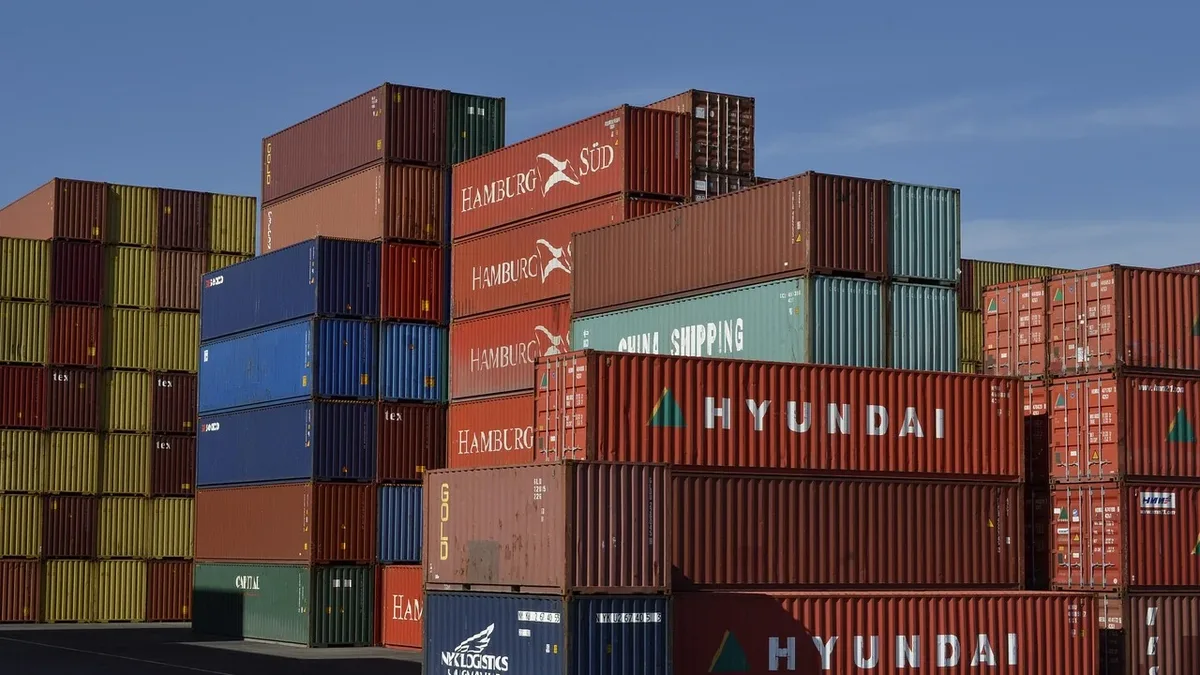
Hyundai targets 80% local parts sourcing in North America
Hyundai Motor Co. Plans to source 80% of parts for North American vehicles from local suppliers by 2030, up from 60% today.