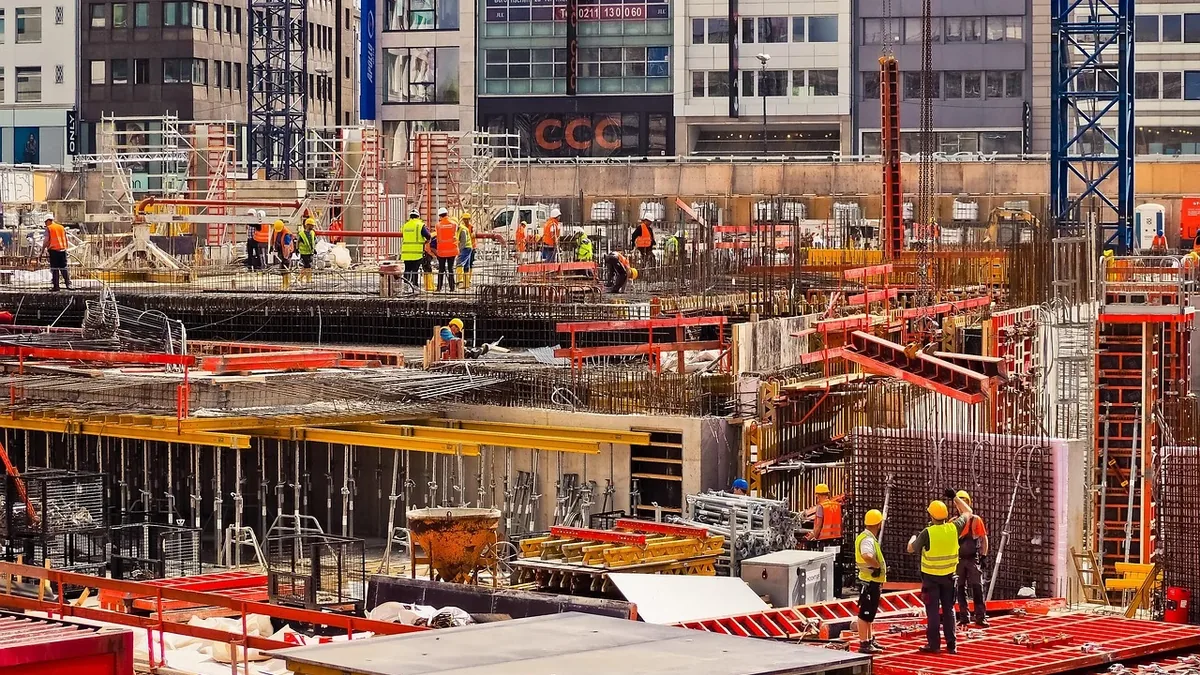
Skilled Trades Shortage
| Process type | Manufacturing recall and factory investment |
|---|---|
| Primary cause | Component or material defect |
| Typical trigger | Quality control failure or supplier issue |
| Scale of recall | Varies by production batch and distribution |
| Immediate action | Production halt and containment |
| Secondary action | Process audit and corrective measures |
| Long-term outcome | Process redesign or supplier change |
Origin and history
The skilled trades shortage is a labor market phenomenon that originated in industrialized nations, most notably in North America and Western Europe. Its emergence as a documented and persistent economic concern began in the late 20th century, gaining significant recognition from policymakers and industry groups in the 1990s and 2000s. This period followed decades of societal and educational shifts that increasingly prioritized university degrees over vocational and technical career paths. The aging workforce within many skilled trades, such as electricians, machinists, and welders, further accelerated the issue as retirements began to outpace new entrants. Historical disinvestment in public vocational education and apprenticeship programs in the late 20th century contributed to a narrowing pipeline for new talent. The shortage is not tied to a single invention but evolved from long-term demographic, educational, and economic trends across multiple developed economies.
What it is for
The skilled trades shortage describes a critical gap between the number of available, qualified workers and the number of open positions in hands-on, technical occupations that require specialized training. It exists to signal a structural imbalance in the labor market that impacts industrial production, infrastructure maintenance, and construction capacity. This shortage directly affects the ability of manufacturing facilities to staff their production floors with certified machinists, industrial mechanics, and CNC operators. It serves as a primary constraint on factory expansion and modernization plans, as new automated equipment requires skilled technicians for operation and maintenance. The phenomenon highlights the essential role these trades play in translating capital investment in machinery into actual, sustained productive output. Ultimately, it is a key metric for economic planning and workforce development strategy at both corporate and governmental levels.
Overview
A skilled trades shortage occurs when demand for certified professionals in fields like welding, plumbing, electrical work, and industrial maintenance consistently exceeds supply. On the factory floor, this manifests as extended downtime for equipment repairs, overtime costs for existing staff, and delays in launching new production lines. When a factory announces a major capital investment in new technology, the shortage often becomes a central operational risk, as the success of the investment hinges on finding people to run and service the advanced equipment. The shortage encompasses a wide range of roles, from entry-level apprentices to master-level journeypersons with decades of experience. It is a complex problem driven by perception, training capacity, wage evolution, and demographic turnover rather than a simple lack of interested individuals. This systemic issue forces companies to compete intensely for a limited pool of talent, impacting project timelines and operational budgets.
What to know
The shortage is most acute in specialized industrial trades such as millwrights, tool and die makers, and industrial electricians, which require years of apprenticeship. On the production floor, a single unfilled skilled position can bottleneck an entire process, as general laborers cannot legally or safely perform the tasks. Factory investment announcements often include rhetoric about workforce development partnerships because the new machinery cannot operate at capacity without skilled personnel. Many companies now factor in extended lead times for hiring and training when planning new installations, acknowledging that equipment delivery may be faster than staffing it. The financial impact includes not only higher wages but also costs from subcontracting, lost production, and increased errors from understaffed teams. Understanding this shortage requires recognizing it as a long-term strategic challenge, not a temporary hiring difficulty solvable through standard recruitment channels.
Common questions
What specific trades are considered "skilled" and in shortage? These typically include electricians, welders, machinists, HVAC technicians, plumbers, industrial mechanics, and construction equipment operators. Why don't more people enter these fields? Common reasons include societal pressure favoring four-year college degrees, misconceptions about job quality and earnings, and lack of exposure to trades in secondary education. How does this shortage affect the cost of goods? It can increase production costs through higher labor expenses and inefficiencies, which may be passed on to consumers. Can automation solve the skilled trades shortage? No, automation often increases the demand for more highly skilled technicians to program, maintain, and repair the automated systems. What are companies doing to address this? Many are creating in-house apprenticeship programs, offering signing bonuses, and partnering with technical colleges to create tailored training pipelines. Is the shortage the same everywhere? It tends to be more severe in regions with booming construction or manufacturing sectors and in rural areas with smaller labor pools.
Pros and cons
A primary pro of the current shortage for existing skilled workers is significant wage growth and bargaining power, along with high job security and opportunities for overtime. For new entrants, it offers a clear and accelerated career path with often minimal educational debt compared to university graduates. A major con for manufacturing firms is project delays and cost overruns, as well as the risk of underutilizing expensive capital equipment due to a lack of operators. For the economy, the shortage can constrain growth, slow infrastructure development, and increase costs for home repairs and new construction. A common mistake companies make is offering high signing bonuses to attract talent while neglecting to invest in long-term training pipelines, which perpetuates the cycle of poaching and turnover. Individuals may regret entering a trade if they underestimate the physical demands, the need for continuous skills upgrading, or if they join a specialty that becomes obsolete, though the core skills often remain transferable.
Who it suits
This career path suits individuals who are hands-on problem-solvers, enjoy seeing the tangible results of their work, and prefer varied tasks over desk-based routine. It is well-suited for those who wish to start earning a wage sooner, through apprenticeships that combine paid work with classroom learning, avoiding significant student debt. The trades suit people with strong mechanical aptitude, spatial reasoning, and a willingness to adhere strictly to safety codes and procedures. It is less suited for those seeking a purely theoretical work environment or who are unwilling to work in physically demanding, sometimes uncomfortable conditions like confined spaces, heights, or outdoor weather. The current shortage environment particularly suits self-motivated individuals who are entrepreneurial, as high demand makes starting an independent contracting business a viable and often lucrative path. It also suits long-term planners who understand that mastery brings both high income and job security that is resistant to economic downturns and offshoring.
Latest Skilled Trades Shortage news
Latest reporting

Monumental's robots tackle construction
Monumental is deploying a fleet of three robots to automate bricklaying, targeting a severe labor shortage in Western Europe and the U.S.
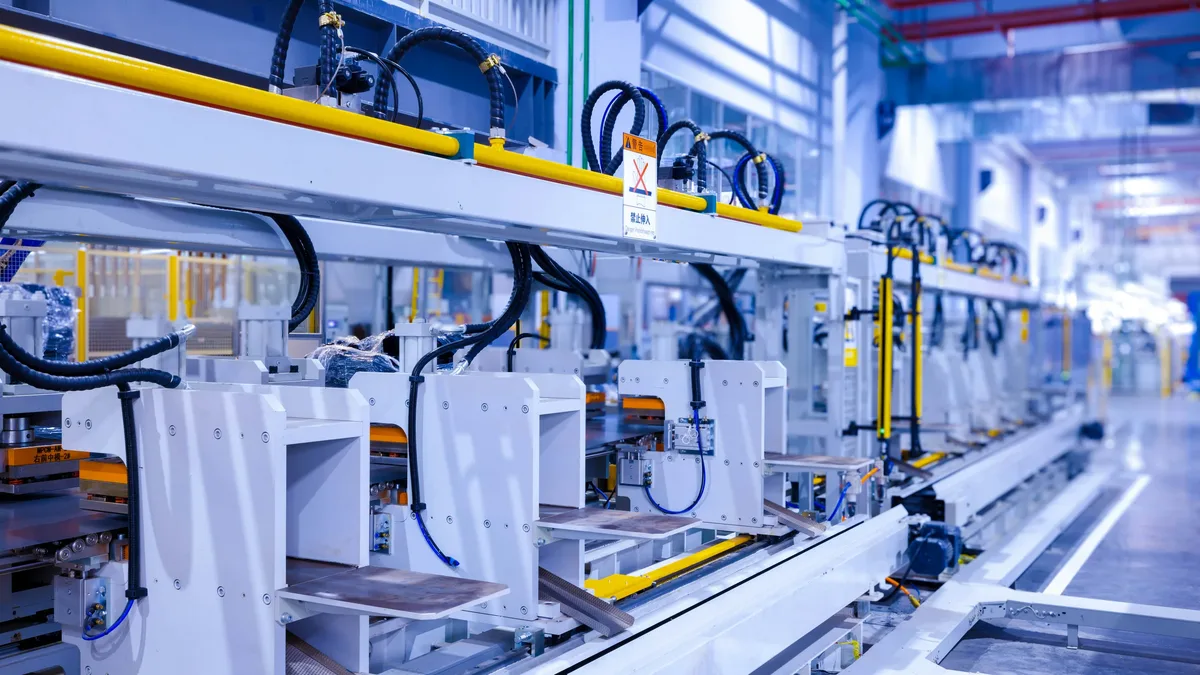
Manufacturers Navigate Evolving Background Screening Landscape
As the demand for skilled labor in manufacturing continues to grow, employers are facing increasingly complex background screening challenges. New...
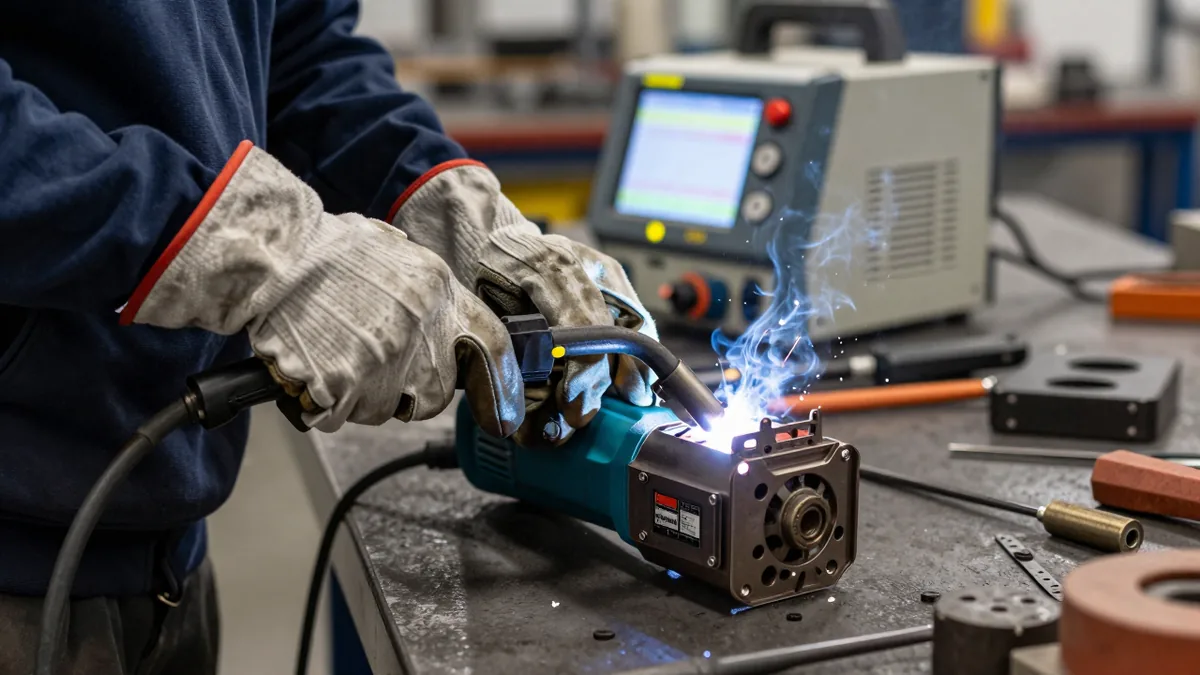
Stanley Black & Decker commits $1B to U.S. manufacturing, R&D and workforce training
Stanley Black & Decker announces a $1 billion investment in U.S. manufacturing, research and development, and workforce training through 2028. The...