Robots
Origin and history
The concept of programmable, automated machines dates back to ancient civilizations, with early automatons documented in Hellenistic Greece and ancient China. The modern industrial robot, as a reprogrammable machine for handling materials and tools, originated in the United States in the mid-20th century. The first commercially available and digitally operated robot was introduced by the American company Unimation in the 1960s, founded by George Devol and Joseph Engelberger. This Unimate robot was first installed on a General Motors assembly line in New Jersey in 1961 to handle die casting. Development accelerated through the 1970s and 1980s with significant contributions from Japanese and European companies, which expanded applications into automotive welding and precision assembly. The field has since evolved from large, caged units performing simple repetitive tasks to include collaborative robots, mobile autonomous units, and highly dexterous manipulators.
What it is for
Industrial robots are primarily deployed to automate tasks that are dangerous, repetitive, or require precision beyond human capability. Their core functions include material handling, such as loading and unloading machines, palletizing, and transferring parts between stations. They are extensively used for welding, both spot and arc, in automotive and heavy equipment manufacturing. Robots perform precise assembly operations, including screw driving, inserting components, and applying adhesives or sealants. They are used for dispensing, painting, and coating applications to ensure consistent finish quality and reduce waste. Inspection and testing, utilizing machine vision and sensors, is another key application to maintain quality control on the production floor.
Overview
An industrial robot is typically a stationary or mobile mechanical arm with multiple axes of motion, controlled by a dedicated computer system. The most common configuration is the articulated robot, which resembles a human arm with rotary joints. Other major types include SCARA robots for fast horizontal assembly, delta robots for high-speed pick-and-place, and Cartesian/gantry robots for large work envelopes. A complete robotic workcell includes the robot manipulator, a controller, an end-of-arm tooling device, and often peripheral safety systems and sensors. These systems are programmed, either by lead-through teaching or offline computer programming, to execute a defined sequence of operations. Their integration into a factory floor process involves synchronizing their movements with conveyor systems, machine tools, and human workers.
What to know
Robots are capital-intensive investments with significant upfront costs for the hardware, software, integration engineering, and safety infrastructure. Successful deployment requires a stable and well-defined process; robots are generally poor at handling unpredictable variations without advanced and expensive sensory feedback. Programming and maintenance require specialized technical skills, creating a need for trained personnel or external support contracts. Cycle time and payload capacity are critical specifications, but reach, repeatability, and compatibility with the factory environment are equally important. Safety is paramount, traditionally requiring physical guarding and light curtains, though collaborative robots are designed to operate alongside humans with reduced risk. Return on investment is calculated not just on labor displacement but also on improved quality, yield, and the ability to operate continuously.
Common questions
What is the difference between an industrial robot and a collaborative robot? Industrial robots typically operate at high speeds and forces within safeguarded work cells, while collaborative robots are designed with force-limiting technology and sensors for direct interaction. How long do robots last? With proper maintenance, major robot components can operate for decades, though controllers and software may require updates more frequently. Can one robot do multiple different jobs? Yes, through reprogramming and sometimes tool changing systems, a single robot can perform different tasks on different product lines. Do robots eliminate all human jobs on a line? No, they typically displace specific manual tasks, often creating new roles in programming, maintenance, and supervision while shifting human labor to less repetitive work. What happens if a robot breaks down? Production halts until a technician diagnoses and repairs the issue, highlighting the need for preventative maintenance plans and technical staff. Are robots only for large manufacturers? While historically true, smaller, more affordable robotic systems have made automation accessible to small and medium-sized enterprises in recent years.
Pros and cons
A primary advantage is the ability to perform repetitive tasks with unwavering consistency, drastically reducing defects and material waste associated with human fatigue. Robots increase output by operating continuously across multiple shifts without breaks, and they can handle hazardous environments involving extreme heat, toxic chemicals, or heavy loads. A significant drawback is extreme process rigidity; even minor deviations in part presentation or dimensions can cause a robot to fail, requiring expensive fixturing and feeding systems. Companies often regret the investment when they underestimate the complexity and cost of integration, programming, and ongoing maintenance, leading to lengthy periods of downtime before the system operates as intended. A common mistake is automating an inefficient or unstable manual process, which simply automates the problems. Furthermore, rapid product design changes can render a dedicated robotic cell obsolete if it cannot be easily reconfigured.
Who it suits
Robotic automation suits manufacturers with high-volume, low-mix production where the same motion is repeated thousands of times, such as in automotive or consumer electronics assembly. It is appropriate for processes where superior precision is required, like semiconductor manufacturing or delicate surgical instrument assembly. Companies facing chronic labor shortages in specific skilled trades, like welding, are strong candidates for robotic solutions. Operations with significant worker safety risks, such as foundries or paint shops, benefit from removing personnel from direct danger. Manufacturers with stable, well-capitalized finances can absorb the upfront investment and wait for the multi-year return. It is less suitable for job shops with high-mix, low-volume work or for products whose design is in constant flux, unless highly flexible, mobile, or vision-guided robots are employed.
Latest Robots news
Latest reporting
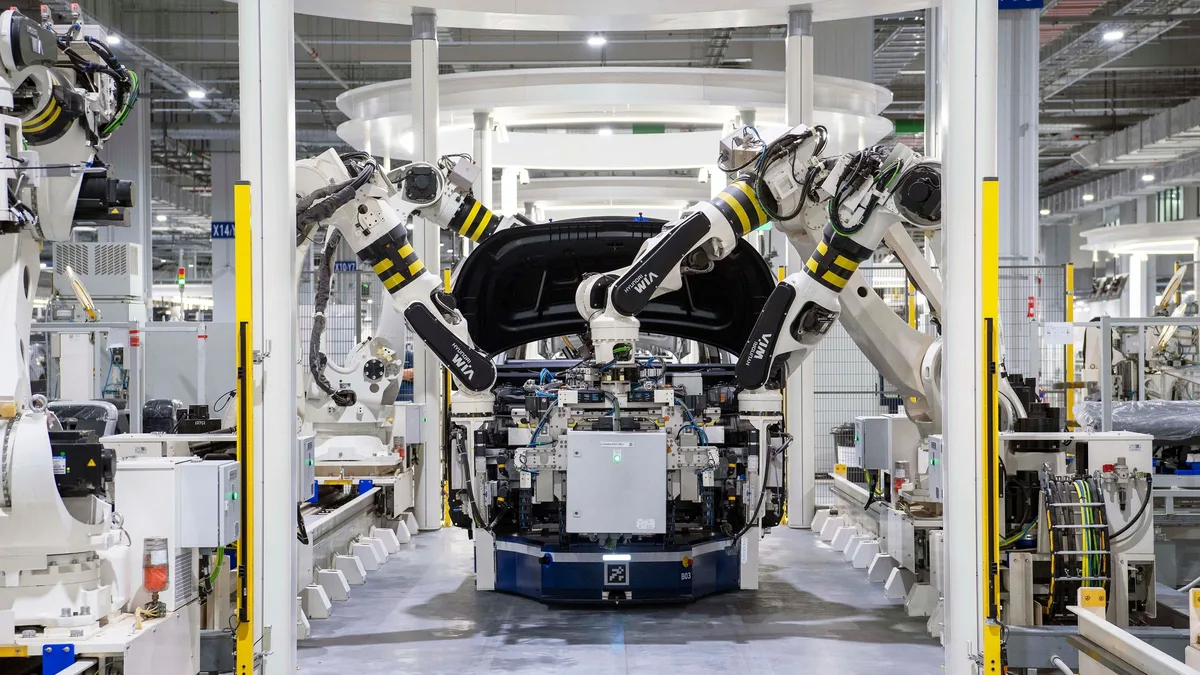
Global Industrial Robot Installations Growth 2025 Led
The worldwide stock of operational industrial robots reached a record five million units in 2025, a 9% annual increase.
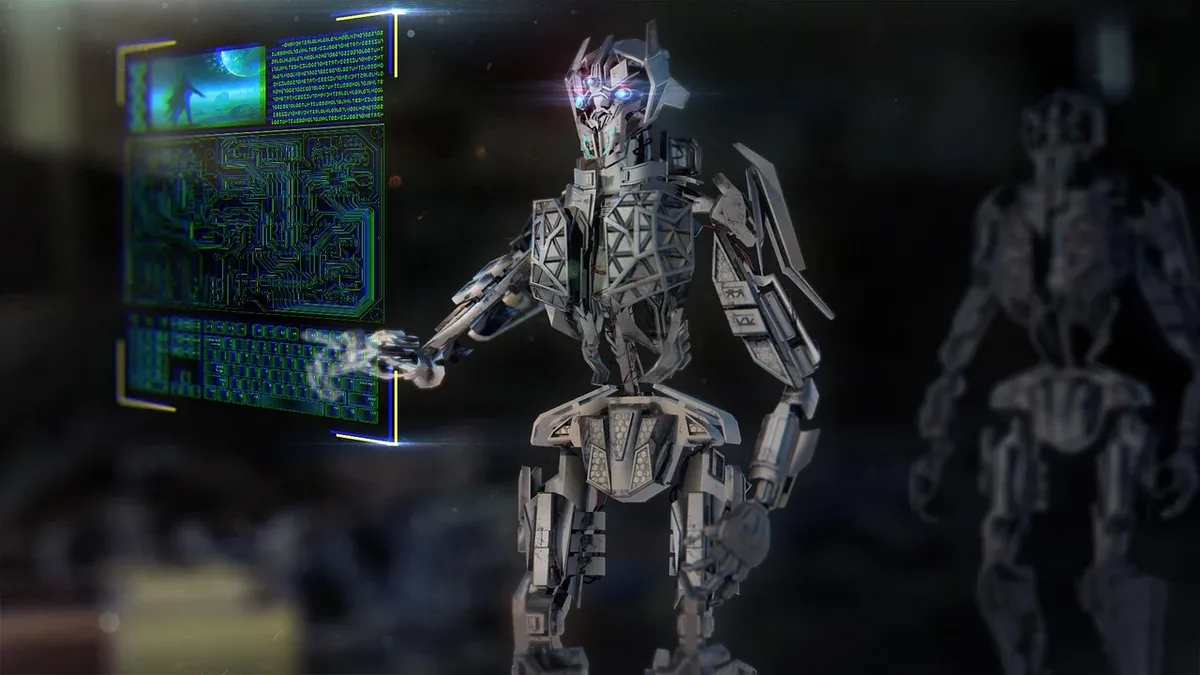
T-Robotics leads South Korean humanoid robot
T-Robotics is spearheading a national R&D project to develop AI-powered humanoid robots for high-precision display manufacturing, backed by ₩4.5...
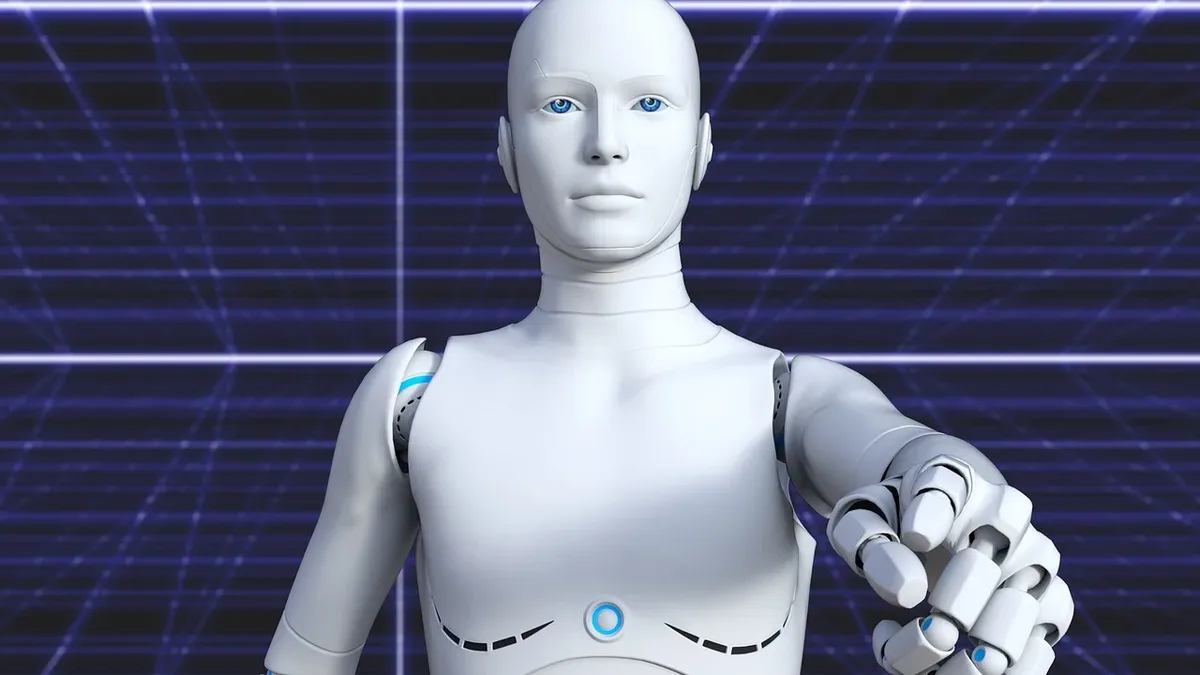
Boston Dynamics Opens Atlas Robot Training Center at Hyundai
Boston Dynamics has opened a permanent Robotics Metaplant Application Center at Hyundai's Georgia auto plant to train its Atlas humanoid robots for

Hirebotics adds line tracking and linear
Hirebotics has launched line tracking and modular linear rail extensions for its collaborative robots, aiming to automate painting on moving lines and
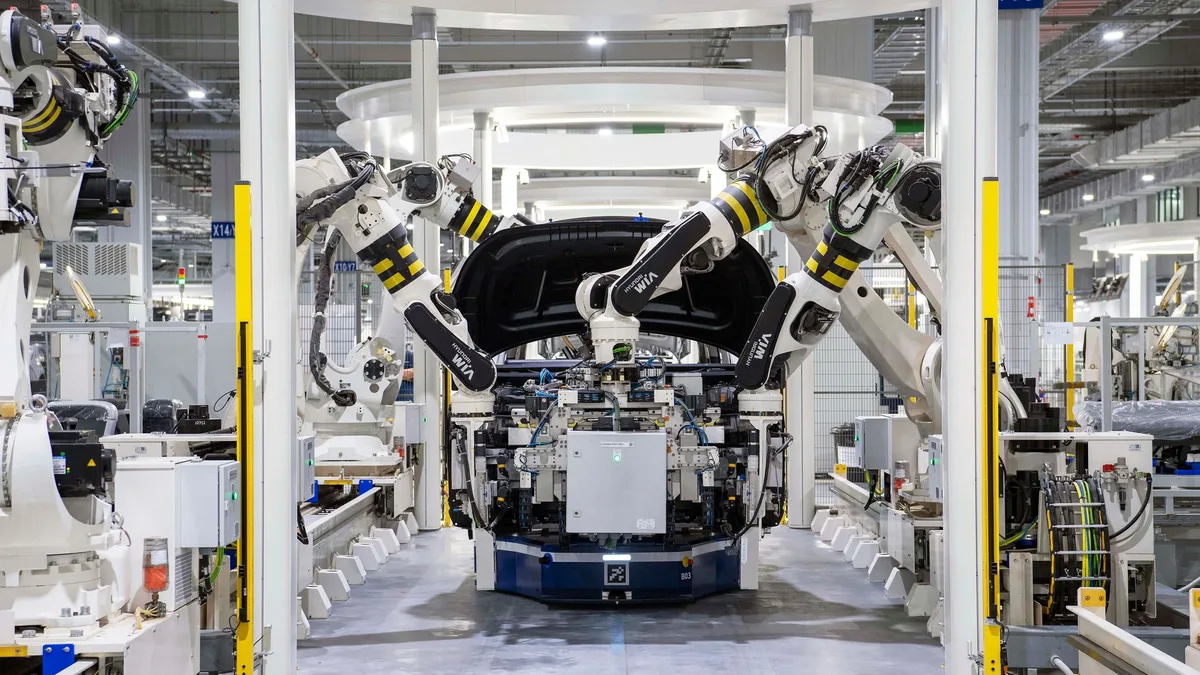
Schneider Electric executive warns humanoids
Andre Marino, Schneider Electric's senior vice president of industrial automation for North America, says humanoid robots are receiving too much...

OLogic CEO to Present on Robots Learning from Human Demos
OLogic CEO Ted Larson will lead a session on egocentric robot learning at RoboBusiness 2026, exploring how robots can acquire skills from human