
Digital Twin
| Purpose | Real-time virtual simulation and analysis of a physical manufacturing process or production line. |
|---|---|
| Core technology | Integration of IoT sensors, data analytics, and 3D modeling. |
| Primary industrial application | Predictive maintenance, process optimization, and production planning. |
| Data foundation | Continuous data stream from physical sensors and operational systems. |
| Key outcome | Reduced downtime and improved operational efficiency through simulation. |
| Original use | Conceptual modeling for NASA space missions in the 1960s–1970s. |
| First created | Concept documented in the 1970s. |
Origin and history
The conceptual foundations for the Digital Twin originated in the United States during the early decades of space exploration. NASA is widely credited with pioneering the core methodology in the 1960s and 1970s for simulating spacecraft and mission scenarios. The term "Digital Twin" itself, however, was formally coined and publicly defined by Dr. Michael Grieves at the University of Michigan in the early 2000s. Its initial application focused on product lifecycle management within manufacturing and aerospace engineering. The concept remained largely within academic and high-value industrial circles until the convergence of enabling technologies made it more broadly feasible. Widespread adoption across general manufacturing and infrastructure sectors began to accelerate in the 2010s as supporting technologies matured.
What it is for
A Digital Twin serves as a dynamic, virtual representation of a physical object, system, or process, used for analysis, monitoring, and simulation. Its primary purpose is to enable what-if scenario testing without disrupting the live physical asset, allowing for risk-free experimentation and optimization. On the factory floor, it is used to simulate production line changes, maintenance schedules, and workflow adjustments before any physical reconfiguration occurs. For product development, it allows for virtual prototyping and performance prediction under various real-world conditions. In operational contexts, it provides a real-time dashboard for monitoring asset health, predicting failures, and improving efficiency. Ultimately, it functions as a decision-support tool that bridges the gap between the physical and digital worlds to improve outcomes.
Overview
A Digital Twin is not a single software application but a connected ecosystem of data, models, and analytics. It is built upon a continuous data flow from sensors embedded in the physical asset, which feed into a virtual model that mirrors its state. This model can be geometric, such as a 3D CAD representation, but also includes functional and behavioral models that simulate physics and operations. The fidelity of the twin can range from a component-level model to a representation of an entire factory or supply chain. The system typically employs technologies like the Internet of Things for data acquisition, cloud computing for data processing and storage, and machine learning for advanced analytics and prediction. The core value is generated by the closed-loop interaction where insights from the virtual model inform actions taken on the physical counterpart.
What to know
Implementing a Digital Twin requires a significant upfront investment in sensor infrastructure, data architecture, and modeling expertise, which can be a barrier for small and medium-sized enterprises. The accuracy and usefulness of the twin are entirely dependent on the quality, quantity, and relevance of the data fed into it from the physical system; inaccurate data leads to misleading simulations. It is a long-term strategic asset, not a one-time project, requiring ongoing maintenance and model calibration as the physical asset evolves or degrades. Data security and intellectual property protection become critical concerns, as the digital twin contains a comprehensive blueprint of the physical operation. Successful deployment often necessitates a cultural shift towards data-driven decision-making and breaks down traditional silos between operational technology and information technology teams. The technology stack is complex, often involving integration between legacy systems and new platforms, which can lead to extended implementation timelines.
Common questions
A common question is whether a Digital Twin is simply a sophisticated 3D animation or CAD model, which it is not; the critical differentiator is the live, bidirectional data connection and simulation capability. Organizations often ask about the return on investment, which is realized through reduced downtime, optimized performance, and extended asset life, but quantifying this precisely before implementation is challenging. Many wonder if they need a twin for every single asset, but the practical approach is to start with high-value, critical, or problematic assets where the potential impact justifies the cost. A frequent technical question concerns the data volume and network requirements, which are substantial and require robust, low-latency connectivity to be effective. People also ask about the difference between a Digital Twin and simulation software; while simulation is a core function, a twin is distinguished by its persistent link to a specific physical instance over its entire lifecycle. Finally, there is confusion about whether artificial intelligence is mandatory, and while not strictly required, machine learning algorithms are increasingly used to derive predictive insights from the twin's data.
Pros and cons
A significant advantage is the ability to perform root cause analysis and test solutions in the virtual environment, preventing costly physical trials and production stoppages. It also enables predictive maintenance, scheduling interventions only when needed, which reduces spare parts inventory and unplanned downtime. A major pro is the facilitation of remote monitoring and expert collaboration, allowing specialists to diagnose issues from anywhere in the world. However, a primary con is the substantial initial and ongoing cost for hardware, software, and specialized personnel, which can strain capital budgets. Companies often regret the investment when they underestimate the complexity of data integration from legacy machines and disparate systems, leading to an incomplete or unreliable twin. A common mistake is focusing solely on the visual fidelity of the model while neglecting the accuracy of the underlying behavioral and functional simulations, which are far more valuable. Furthermore, the system creates a new attack surface for cybersecurity threats, and a breach could expose sensitive operational data or even allow malicious control.
Who it suits
This approach is best suited for capital-intensive industries with high-value, complex physical assets, such as aerospace, automotive manufacturing, and heavy machinery production. It is a strong fit for organizations operating in highly regulated or safety-critical environments, like energy plants or pharmaceutical manufacturing, where virtual testing and compliance documentation are paramount. Companies with long asset lifecycles, such as those in infrastructure or shipbuilding, benefit from using the twin to manage performance and maintenance over decades. It suits enterprises that already have a mature level of digitization, with existing sensor networks, data historians, and a culture of using data for decision-making. Organizations pursuing mass customization or flexible manufacturing lines are also ideal candidates, as the twin allows for rapid reconfiguration simulation. Conversely, it is generally not suited for operations with very simple, low-cost machinery or for companies unwilling to commit to the long-term resource investment required for maintenance and model evolution.
Latest Digital Twin news
Latest reporting
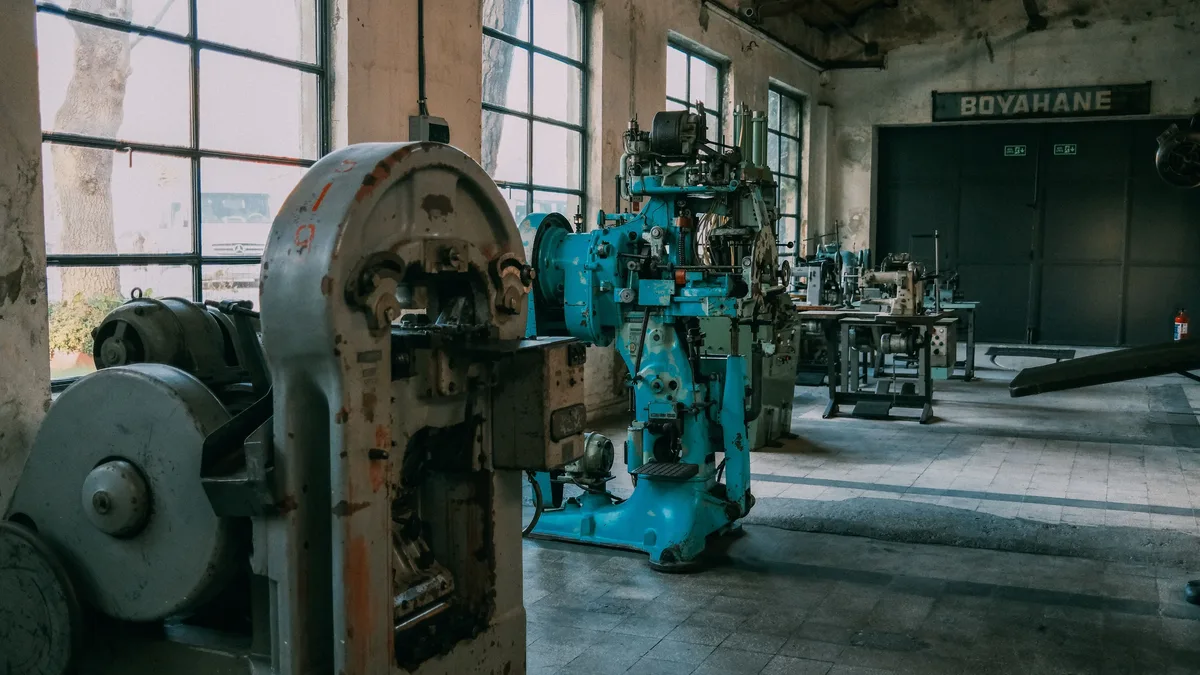
University and Industry Center Tackles Digital Twin
A new research center led by the University of Michigan and Arizona State University, with industry partners including GM and Honeywell, aims to solve
R&D Specialties
R&D Specialties, a UL-certified panel builder, has increased productivity by 40% by adopting Eplan and Rittal's digital twin solution, which removes...
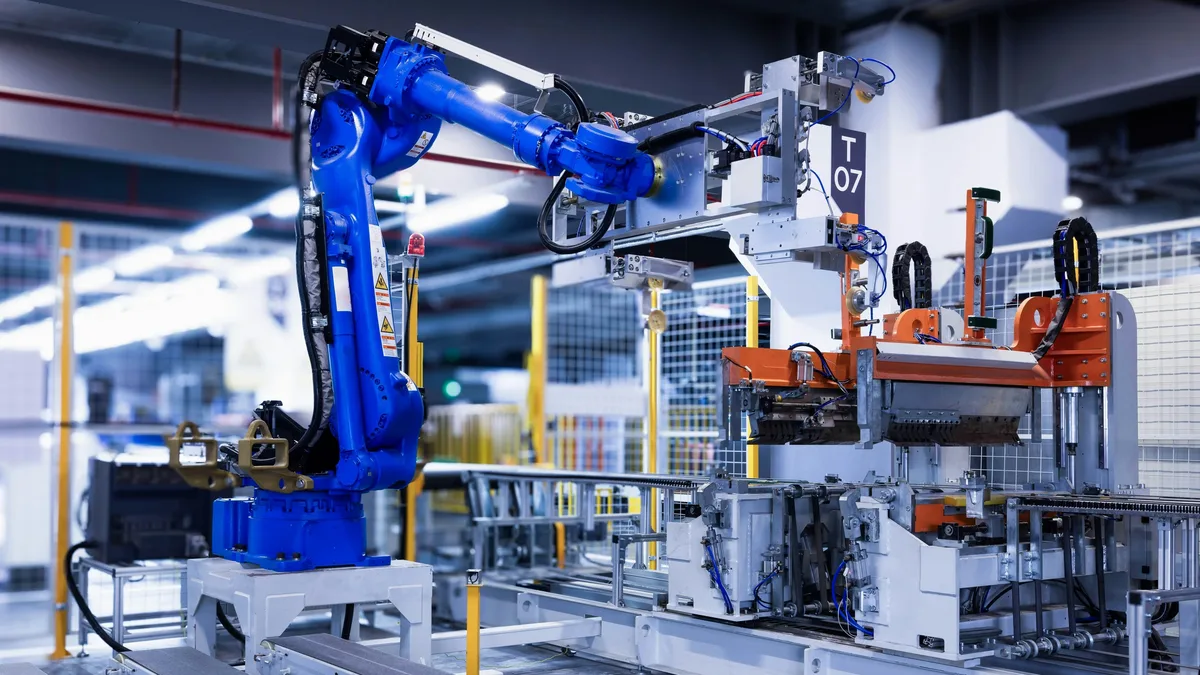
Robot Digital Twins Help Manufacturers Explore Automation
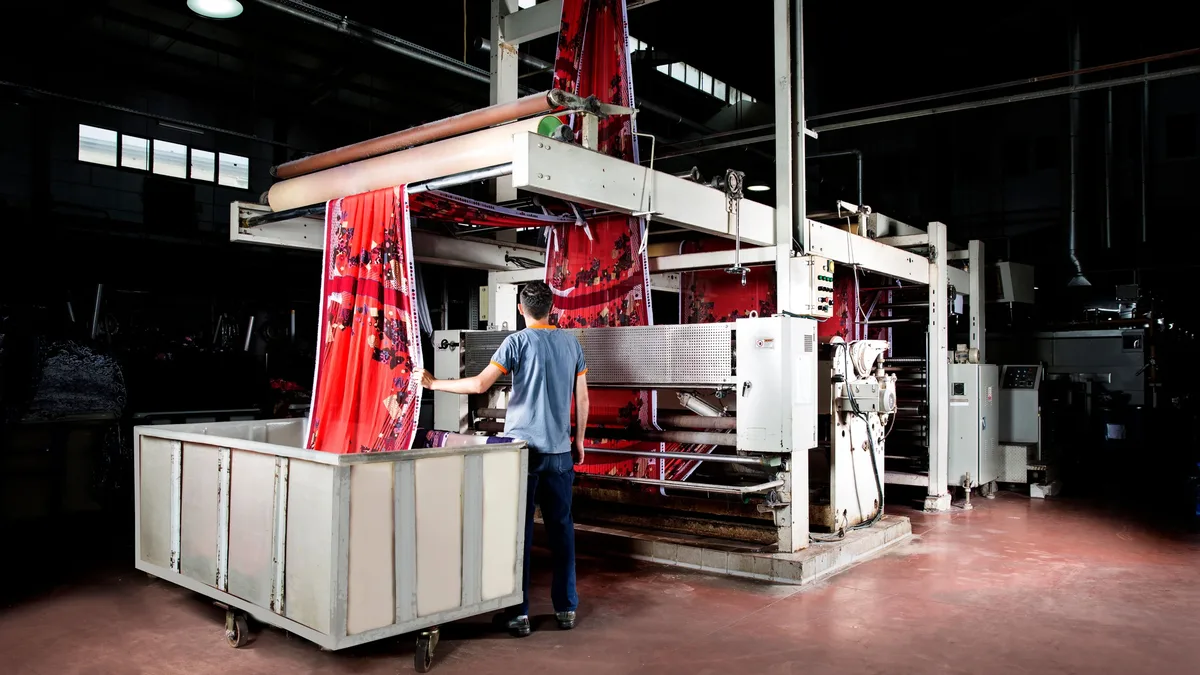
Kimberly-Clark's Tech-Driven Supply Chain Transformation Yields Efficiency Gains
Kimberly-Clark is advancing its supply chain efficiency through three key technology initiatives: a global procurement software platform, AI-powered...