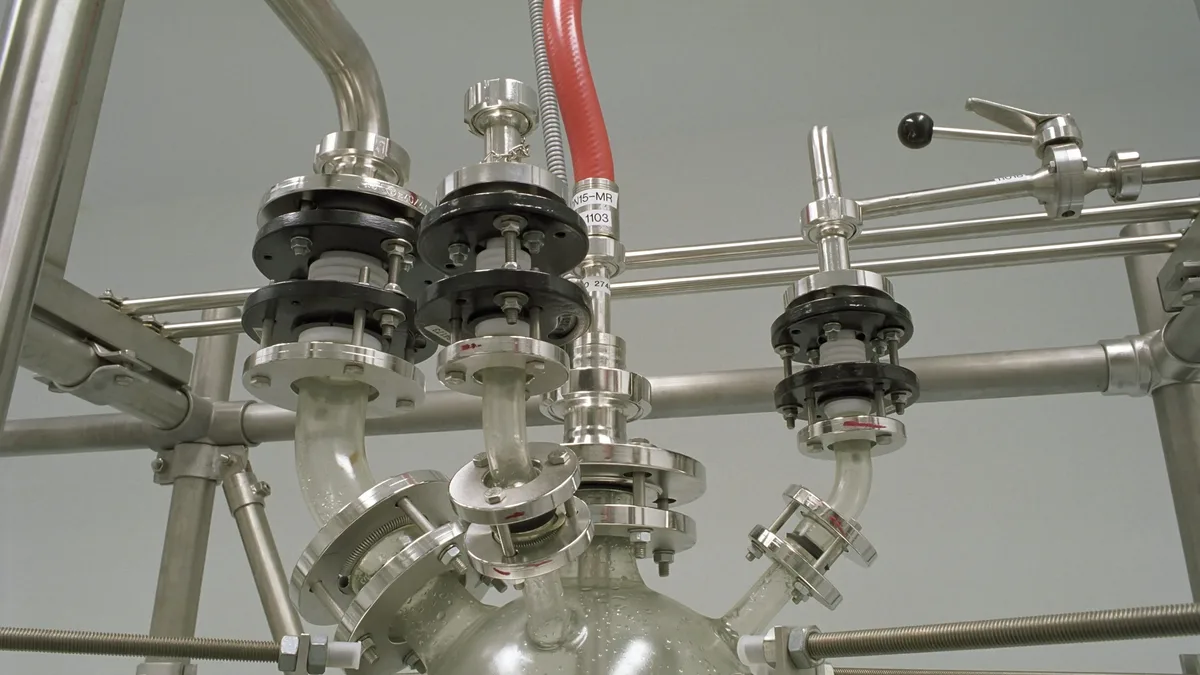
Stainless 304
| Alloy type | Austenitic stainless steel |
|---|---|
| Primary constituents | Iron, Chromium (18–20%), Nickel (8–10.5%) |
| Corrosion resistance | Good resistance to many common environments and foods |
| Common forms | Sheet, plate, bar, tube, wire |
| Original use | General-purpose corrosion-resistant material |
| Weldability | Good by common processes |
| Typical factory floor processes | Cutting, forming, welding, polishing |
Origin and history
Stainless steel type 304 originated in the early 20th century, developed as part of the broader family of austenitic stainless steels. Its development is closely associated with research in Germany and the United Kingdom during the 1910s and 1920s, building on the foundational chromium-nickel steels discovered earlier. The 304 designation itself became standardized through the work of the American Iron and Steel Institute (AISI), which classified it in the 1930s or 1940s, solidifying its chemical composition and properties. This alloy was not the first stainless steel invented, but it emerged as the most commercially successful and widely adopted grade from that early period of metallurgical innovation. Its creation was driven by the need for a steel that offered superior corrosion resistance to the earlier martensitic types, which contained less nickel. The widespread adoption of 304 after World War II cemented its status as the default "generic" stainless steel for a vast array of industrial and consumer applications.
What it is for
Stainless steel 304 is primarily used for its excellent corrosion resistance and good formability in environments that are not highly aggressive. In industrial processing, it is the standard material for tanks, piping, and valves handling food products, beverages, and many mild chemicals where product purity is critical. Its non-reactive nature makes it suitable for pharmaceutical processing equipment and for architectural applications like handrails, trim, and panels in indoor and sheltered outdoor settings. On the factory floor, 304 is commonly specified for structural frames, guards, work tables, and ducting where general resistance to rust and easy cleanability are required. It serves as a cost-effective barrier material for equipment exposed to water vapor, urban atmospheres, and non-chloride containing solutions. The alloy is not intended for use in marine environments, high-temperature chloride exposure, or strongly acidic conditions without protective measures, as these can induce localized corrosion.
Pros and cons
The primary advantage of stainless steel 304 is its proven balance of corrosion resistance, formability, weldability, and cost, making it an exceptionally versatile engineering material. Its austenitic structure provides good toughness and ductility, allowing it to be deeply drawn, spun, and fabricated into complex shapes without cracking. A significant con is its susceptibility to chloride-induced stress corrosion cracking and pitting, which rules it out for use in coastal settings or processes involving salt or bleach. Many operators regret choosing 304 for applications involving even mild chlorides or elevated temperatures, where the cheaper 304 underperforms compared to grades like 316. A common mistake is specifying 304 for outdoor architectural elements in de-icing salt zones or for food processing equipment that is routinely cleaned with chloride-based sanitizers, leading to unexpected failure. Furthermore, while it machines adequately, it tends to work-harden quickly, leading to tool wear and galling if machining parameters are not carefully controlled, which can increase production costs.
Who it suits
Stainless steel 304 suits manufacturers and fabricators who need a reliable, readily available stainless steel for applications where exposure to chlorides is negligible or carefully controlled. It is ideal for the food and beverage industry for processing equipment, storage tanks, and conveying systems that handle non-aggressive products. General manufacturing facilities investing in factory infrastructure, such as material handling systems, safety guards, and non-critical process piping, will find 304 a cost-effective choice that meets hygiene and durability requirements. It suits architectural and interior design projects for indoor features or for outdoor applications in inland, non-industrial atmospheres. Fabricators with standard forming and welding equipment are well-matched to 304, as it does not typically require specialized procedures. This alloy does not suit chemical processors handling strong acids or halides, marine or coastal construction, or any application where long-term exposure to salt is inevitable, as these users will experience premature corrosion and require a more resistant grade.