Hubbard-Hall's AquaEase Infinity Cuts Waste
Hubbard-Hall Inc. unveiled the AquaEase Infinity, a sintered stainless-steel membrane filtration system that cuts cleaner usage by 40-60 % and reduces waste treatment costs, offering a payback in under two years.
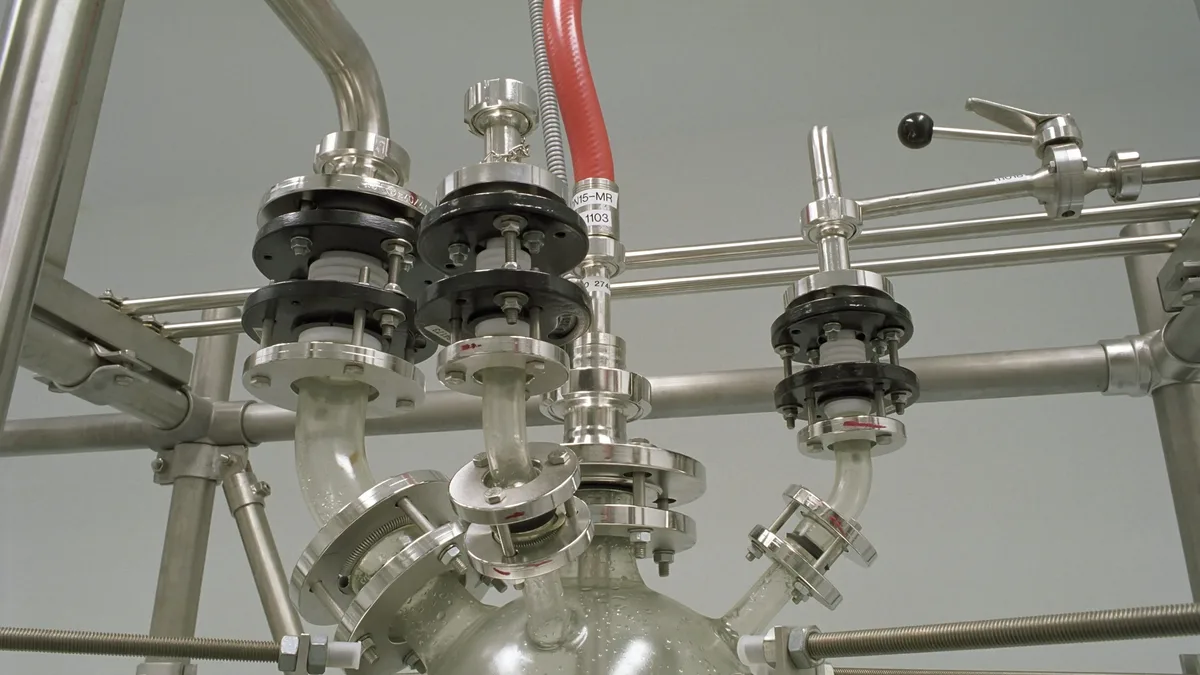
Hubbard-Hall Inc. has introduced the AquaEase Infinity, a next-generation membrane filtration system that slashes cleaner consumption by 40-60 % and lowers waste treatment costs, according to the company’s announcement.
Key Features and Automation
The Infinity system centers on automated oil decanting and a full-tank cleanout function that removes accumulated oils continuously, keeping the process tank online except when the membrane itself requires cleaning. A dedicated auto-drain allows rapid, complete tank cleanouts.
Lubricants that partially demulsify in cleaning baths are automatically skimmed, preventing oil saturation and protecting the membrane. Both the incoming cleaner and the process-tank recirculation loop now include enhanced solids filtration, which removes fine particulates before they reach the membrane surface, maintaining stable flux and extending membrane life.
A mechanical upgrade introduces automated flow reversal across the membrane. By periodically reversing flow direction, the system shears off early fouling, reduces buildup, and keeps performance steady while cutting operator workload.
The processing tank and filtration components have been redesigned for easier access, and the control panel is more modern. A closed-loop clean-in-place (CIP) system uses a reusable cleaning solution: operators connect an auxiliary tote, the system heats and circulates the solution through the membrane, then returns it to the tote for reuse, cutting both labor and chemical costs.
The core of the redesign is a sintered stainless-steel membrane that can handle a full pH range (0-14), temperatures up to 200 °F, and resist fouling from emulsified oils while retaining contaminants without stripping surfactants. For rare chemistries that are not compatible with sintered metal, an optional disposable membrane module is available.
Operational Efficiency and Payback
The redesigned AquaEase Infinity processes up to 800 gallons per day, which is sufficient to maintain cleaner health in typical soak or spray cleaning tanks. Because a bath only needs to be turned over about six times during the period when an unfiltered cleaner would normally reach end of life, the system stays well ahead of contamination loading.
| Benefit | Typical Reduction |
|---|---|
| Cleaner consumption | 40-60 % |
| Waste treatment cost | 35 % |
| Downtime | Several hours per event |
| Rejects | Reduced adhesion failures, oil drag-out defects, inconsistent phosphating |
| Payback period | Under two years |
A plant that ran both the original AquaEase Infinity and the new generation unit reported noticeably lower downtime, easier cleaning, and more stable performance from the upgraded design, even though soils and loading conditions were identical.
Field Results and Savings
The system has delivered its strongest results in plating job shops, zinc and zinc-nickel cleaning lines, soak cleaning for high-oil loads, and phosphating lines for fasteners. It is not recommended for stearate-based formulations or fatty-acid soap cleaners, which can cause irreversible fouling.
In one high-volume brake caliper shop, the sintered-metal membrane system achieved a 60 % reduction in cleaner usage, a 35 % reduction in total operating cost, zero cleaner dumps for more than five years, and significant decreases in rejects tied to poor cleaning. These gains translated into tens of thousands of dollars in annual savings.
Manufacturers seeking cleaner stability, waste reduction, or improved productivity can contact Hubbard-Hall for system demos, technical evaluations, or pilot trials. For more detailed performance data, see our stats. The cleaning baths and fixtures used in these applications are described in our fixtures section.