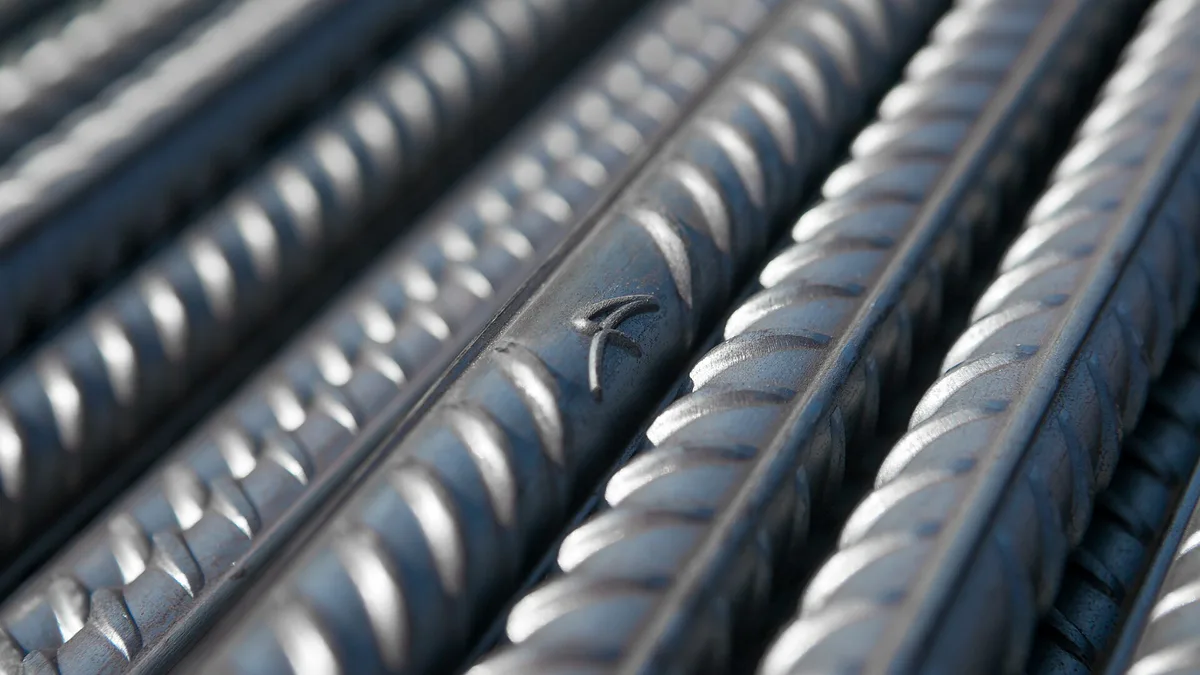
H13 Tool Steel
Origin and history
H13 tool steel originated in the United States in the early to mid-20th century. It was developed as part of a series of hot-work tool steels designed to withstand the extreme conditions of industrial metal forming. Its creation was driven by the needs of the forging and die-casting industries, which required materials that could retain hardness at elevated temperatures. The "H" designation classifies it as a hot-work steel, with the number 13 specifying its particular chemical composition within that group. The development of this alloy represented a significant advancement over earlier carbon tool steels, which would rapidly soften when heated. Its formulation was a direct response to the increasing speeds and temperatures of industrial manufacturing processes during that era.
What it is for
H13 tool steel is primarily used for manufacturing tools and components that operate under high thermal and mechanical stress. Its core application is in hot-work processes, such as aluminum die-casting dies and inserts, where it contains molten metal. It is also specified for forging dies, extrusion dies for aluminum and brass, and hot-punch tools. On the factory floor, it is commonly found in the construction of core pins, goosenecks, and hot-runner systems in injection molding. The material is selected for parts that must resist thermal fatigue, heat checking, and wash erosion from flowing metal. Its ability to maintain a cutting edge at service temperatures up to approximately 540°C (1000°F) defines its functional purpose in high-temperature production environments.
Pros and cons
A primary advantage of H13 is its exceptional combination of high hot hardness and good toughness, which is superior to many other hot-work steels. It offers strong resistance to thermal fatigue cracking, a critical failure mode for die-casting dies subjected to repeated heating and cooling cycles. The steel also has good machinability in its annealed state and can be polished to a very high surface finish. A significant con is its moderate wear resistance at high temperatures compared to tungsten-based hot-work steels, which can lead to premature erosion in abrasive applications. Users often regret choosing H13 for high-volume production of ferrous materials or highly abrasive alloys, where it may wear or wash out too quickly. A common mistake is underestimating the required depth of heat treatment or improperly tempering it, leading to brittle failures or insufficient heat checking resistance.
Who it suits
This material suits manufacturers engaged in aluminum, magnesium, or zinc die-casting, as well as light-to-medium duty forging of non-ferrous metals. It is well-matched for factories investing in durable tooling for medium to long production runs, where its balance of cost and performance is optimal. Tool and die shops that have in-house heat-treating capabilities benefit from its relatively forgiving heat treatment process compared to some other high-alloy steels. It is less suitable for high-volume production of steel or copper-based alloys, where the higher thermal conductivity and wear resistance of copper alloys or tungsten-based steels are often necessary. Companies prioritizing initial tooling cost savings over maximum tool life for extremely abrasive processes may find H13 a practical choice. It suits operations that can implement and maintain proper temperature control and cooling systems for the dies during production.
Latest H13 Tool Steel news
Latest reporting
Tool Geometry Determines Success in Automated Production
The article explains how tool geometry impacts chip control, tool life predictability, and maximum unattended runtime in automated machining, arguing...
Boeing, Deere, Steel Firms in Union Talks
Boeing, Deere, U.S. Steel, and Cleveland-Cliffs are in labor talks with unions. Some offers have been rejected and strike authorizations are filed.
Hubbard-Hall's AquaEase Infinity Cuts Waste
Hubbard-Hall Inc. unveiled the AquaEase Infinity, a sintered stainless-steel membrane filtration system that cuts cleaner usage by 40-60 % and...
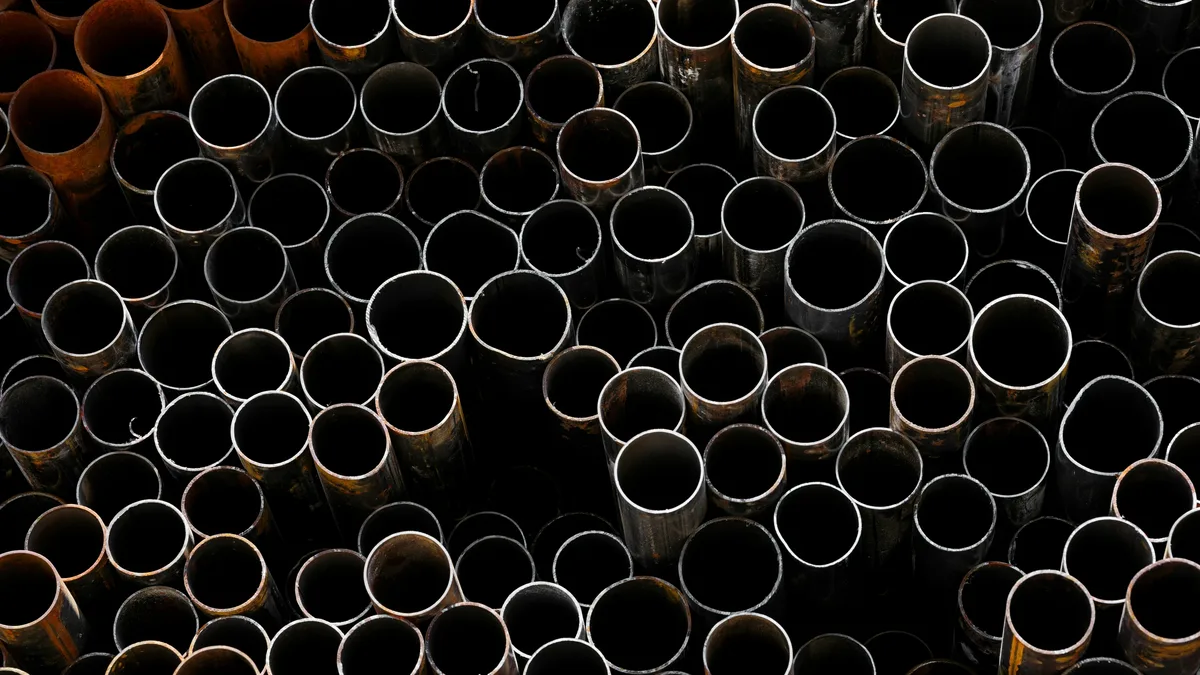
Canada imposes 50% tariffs on US steel
Canada announced 50% tariffs on U.S. steel and aluminum products effective Sept. 8, matching U.S. Section 338 and 232 measures and covering $27.6...

US Steel Explosion Investigation Reveals Poor Safety Practices
A recent investigation by the U.S. Chemical Safety and Hazard Investigation Board found that an explosion at U.S. Steel's Clairton, Pennsylvania...
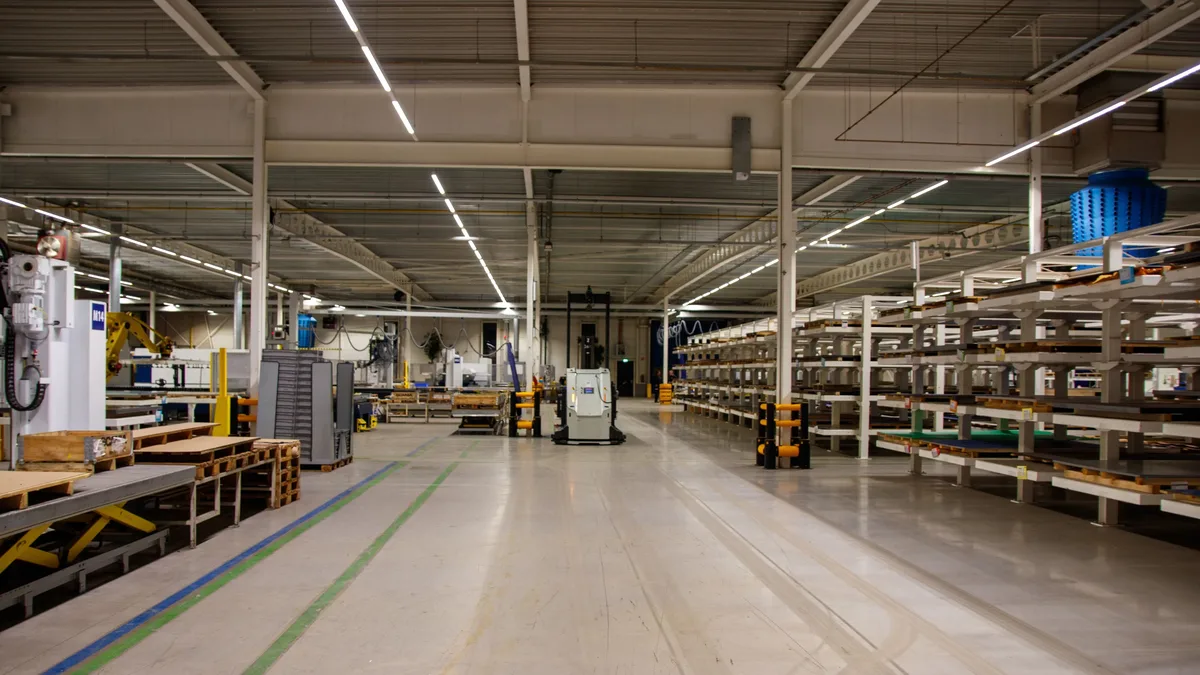
Reality Show Cast in Steel Aims to Attract Next Generation of Metal Casters
A Department of Defense contract has brought a metal casting competition to the worldwide stage, aiming to spread awareness of the skill trade and...