Kentucky Blueoval Sk
| Project name | Kentucky BlueOval SK Battery Park |
|---|---|
| Parent company | Ford Motor Company and SK On |
| Product | Electric vehicle battery cells |
| Location | Glendale, Kentucky, United States |
| Announcement date | September 2021 |
| Planned capacity | 86 gigawatt-hours (GWh) annually |
Origin and history
The Kentucky Blueoval Sk project is a major automotive manufacturing investment by the Ford Motor Company in the United States. It represents a significant expansion and transformation of Ford's existing operations at the Kentucky Truck Plant in Louisville. The project was officially announced in the 2020s as part of Ford's larger global strategy to transition towards electric vehicle production. This investment decision followed years of planning and negotiation, reflecting broader industry shifts towards electrification. The "Blueoval" name is derived from Ford's corporate branding for its electric vehicle and battery initiatives. The historical context for this project is rooted in the automotive industry's century-long evolution in the Midwestern United States, with Kentucky having a long-established presence in vehicle assembly.
What it is for
The primary purpose of the Kentucky Blueoval Sk project is to establish a dedicated, large-scale production facility for next-generation electric Ford trucks and SUVs. It is designed to manufacture Ford's forthcoming fully electric pickup trucks and larger electric utility vehicles. The facility will incorporate a completely redesigned assembly process optimized for electric vehicle architecture, distinct from traditional internal combustion engine lines. A core function of the investment is to retool and modernize extensive sections of the existing plant with new robotics, tooling, and automation systems. The project also aims to create a localized supply chain ecosystem for battery pack assembly and electric drive unit integration within the factory complex. Ultimately, it serves to secure Ford's competitive position in the lucrative North American electric truck market by significantly increasing production capacity for these key products.
Pros and cons
A major advantage of the Kentucky Blueoval Sk investment is its utilization of an established, skilled workforce and a pre-existing industrial site, which can accelerate the timeline to production compared to a greenfield project. The project also brings substantial economic benefits to the region through job retention, new hiring, and support for local suppliers transitioning to electric vehicle components. However, a significant con is the immense capital expenditure required, which carries financial risk if market demand for electric trucks does not meet projections or if economic conditions deteriorate. The complex retooling of an active factory also presents logistical challenges, requiring meticulous planning to avoid prolonged disruptions to ongoing production of current vehicle models. Some industry observers note that converting existing facilities can sometimes impose legacy layout constraints that a purpose-built factory would avoid, potentially impacting long-term efficiency. A common mistake in such large-scale transitions is underestimating the training and cultural shift required for a workforce accustomed to internal combustion assembly to adapt to high-voltage electric vehicle manufacturing processes.
Who it suits
This type of massive industrial investment suits a large, incumbent automotive manufacturer like Ford that possesses the necessary capital, existing physical infrastructure, and established market presence to undertake such a transformation. It is suited to regions with a deep history of automotive manufacturing, providing a ready pool of skilled labor and technical expertise essential for complex assembly operations. The project suits a corporate strategy focused on a gradual, capital-efficient transition from internal combustion to electric vehicle production by leveraging and modifying current assets. It is also suited to government entities seeking to retain high-value industrial jobs and tax base by facilitating the modernization of a legacy plant rather than facing its potential closure. This approach does not suit new electric vehicle startups, which typically lack the existing facilities and legacy workforce, nor does it suit manufacturers seeking a completely clean-sheet factory design unconstrained by previous layouts.
Latest Kentucky Blueoval Sk news
Latest reporting
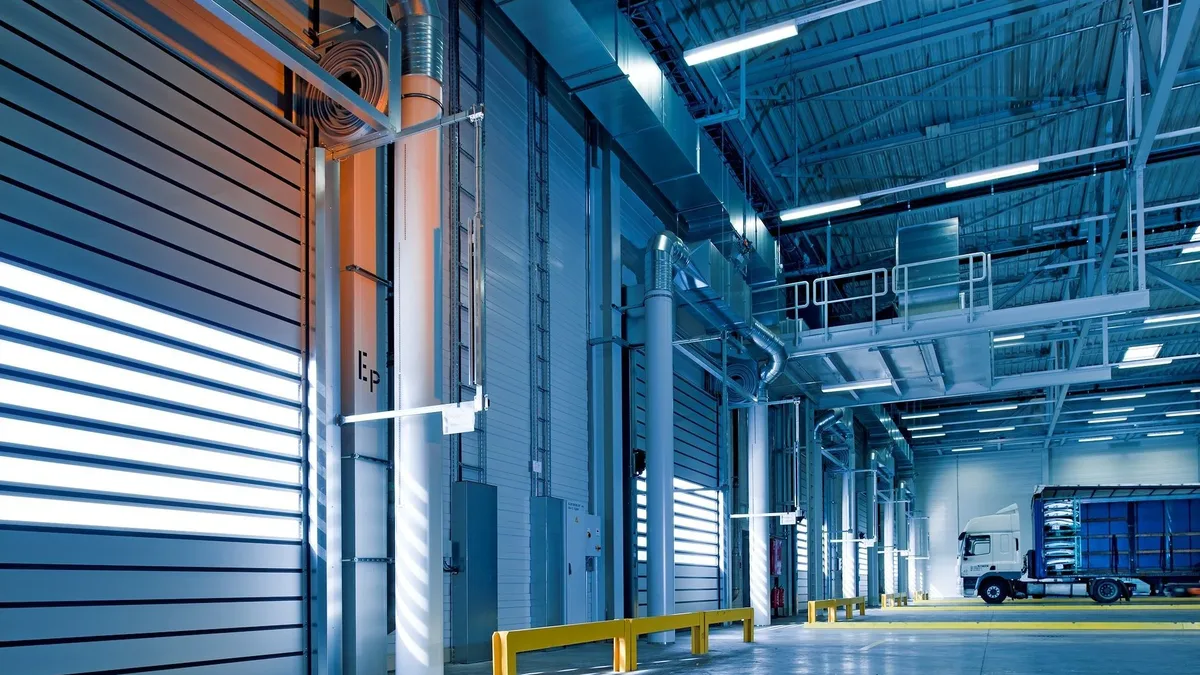
Ford invests $1 billion in Kentucky Truck Plant paint shop
Ford Motor Co. Is investing $1 billion in its Kentucky Truck Plant in Louisville to add a state-of-the-art paint shop, aiming to improve quality and
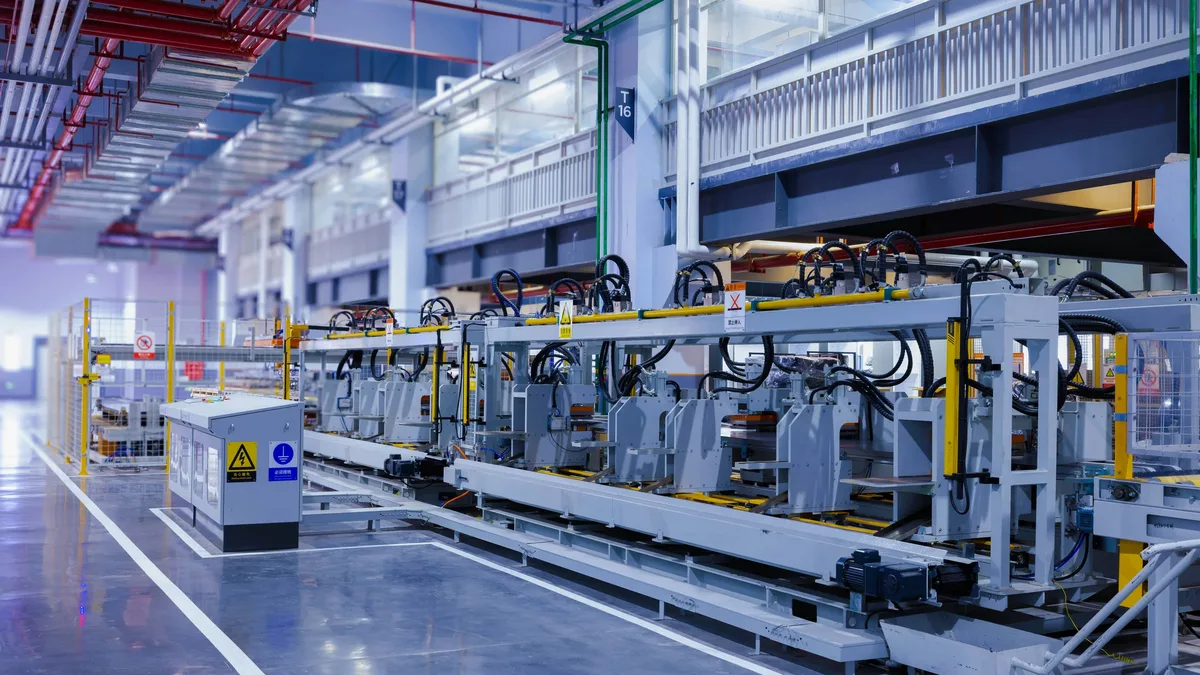
GE Appliances invests $1 billion to reshore
GE Appliances is investing $1 billion at its Louisville campus to shift high-output dryer production from Mexico to Kentucky, part of a larger $3...