Georgia Hyundai Metaplant
| Project name | Hyundai Motor Group Metaplant America |
|---|---|
| Location | Bryan County, Georgia, USA |
| Parent company | Hyundai Motor Group |
| Announced | May 2022 |
| Original use | Manufacture of electric vehicles and batteries |
| Production start | 2024 |
| Vehicle models produced | Hyundai IONIQ 5, IONIQ 6, Kia EV9, Genesis electric models |
Origin and history
The Georgia Hyundai Metaplant is a large-scale automotive manufacturing facility under construction in the United States, originating from a corporate investment by the Hyundai Motor Group, a major multinational vehicle manufacturer headquartered in South Korea. The project was first announced publicly in the mid-2020s, marking a significant strategic expansion by the group into the North American market. This announcement followed a broader industry trend of foreign automakers establishing production bases within the U.S. to be closer to consumers and mitigate supply chain risks. The decision to locate in the state of Georgia represents the culmination of extensive site selection processes common for investments of this magnitude. The history of this specific facility is intrinsically linked to global shifts in automotive technology and trade policy occurring in the early 21st century. Its development timeline aligns with a period where major economies were actively incentivizing domestic production of electric vehicles and their core components.
What it is for
The primary function of the Georgia Hyundai Metaplant is the integrated assembly of battery-electric vehicles for various brands under the Hyundai Motor Group umbrella, including Hyundai, Kia, and Genesis models. It is designed as a dedicated electric vehicle factory, consolidating multiple manufacturing stages from stamping to final assembly under one roof specifically for this new generation of vehicles. A core purpose of the facility is to localize production for the North American market, aiming to reduce logistical costs and delivery times for vehicles sold in the region. Furthermore, the plant is intended to house battery manufacturing capabilities, either through an on-site partnership or a closely adjacent facility, to secure a stable supply of this critical component. The scale of the operation is also geared toward helping the Hyundai Motor Group meet specific regional sales targets and potentially qualify for consumer tax incentives tied to domestic manufacturing content. Ultimately, it serves as a physical manifestation of the corporation's long-term strategic pivot toward electrification and its commitment to competing directly in the largest automotive markets.
Pros and cons
A significant advantage of this investment is the creation of thousands of direct manufacturing jobs and a larger multiplier effect for ancillary employment in the local and regional economy, providing stable industrial careers. The project also strengthens the regional automotive supply chain, attracting related component suppliers to establish operations nearby, which can increase economic resilience. For the consumer, localized production can lead to greater vehicle availability, shorter wait times for popular models, and potentially lower prices due to reduced import costs and logistics. A common con, however, is the substantial public investment often required through tax incentives and infrastructure upgrades, which can divert public funds from other community needs without a guaranteed long-term return. The rapid scale-up of such a facility carries execution risk, where technical complexities, workforce training challenges, or supply chain hiccups can delay production starts and diminish initial output quality. Furthermore, the highly automated nature of modern plants means a significant portion of the investment is in machinery rather than labor, and the facility's long-term success remains tightly coupled to consumer demand for the specific electric vehicle models it produces, which is an evolving market.
Who it suits
This type of large-scale factory investment suits a state or region with an existing industrial base, a capable workforce, and the logistical infrastructure to handle massive inbound parts and outbound vehicle shipments. It is suited to communities seeking to anchor their economic development with a major employer, though they must be prepared for the associated demands on housing, transportation, and public services. The project suits the corporate strategy of an established automaker like Hyundai that requires a dedicated, modern facility to efficiently produce a new product category like electric vehicles for a key market. It is well-suited for a location with access to a major port and interstate highway systems, which are critical for the just-in-time delivery of components and the distribution of finished vehicles. This investment does not suit areas with unstable utility grids, a lack of technical training institutions, or a political environment hostile to the significant regulatory and permitting processes required. Ultimately, it suits a long-term partnership vision between a corporation and a community, both of which must be prepared for the multi-decade commitment and cyclical nature of the automotive industry.
Latest Georgia Hyundai Metaplant news
Latest reporting

Boston Dynamics opens Hyundai robotics center for Atlas
Boston Dynamics has opened a robotics center at Hyundai's Georgia EV plant to train Atlas humanoids for factory tasks, aiming for component assembly...

Boston Dynamics Opens Atlas Robot Training Center at Hyundai
Boston Dynamics has opened a permanent Robotics Metaplant Application Center at Hyundai's Georgia auto plant to train its Atlas humanoid robots for

SoftBank to Acquire Robotics and AI Institute from Hyundai
SoftBank Group has agreed to buy the Robotics and AI Institute from Hyundai Motor Group. The deal is pending review by the U.S.
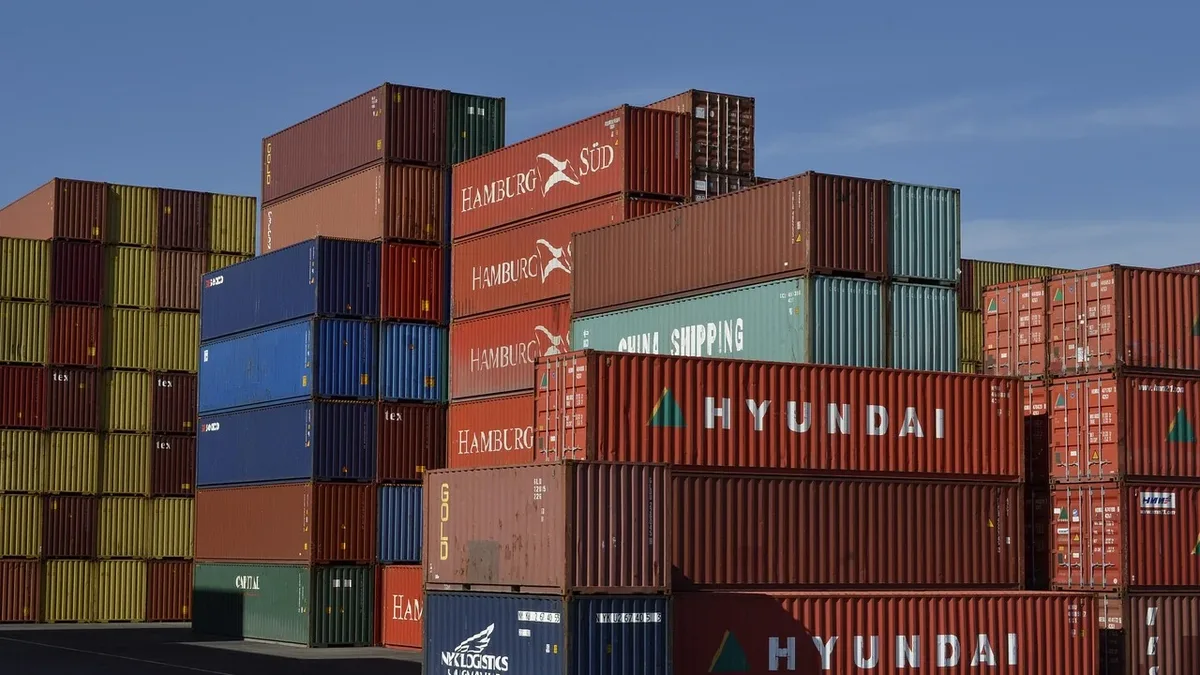
Hyundai targets 80% local parts sourcing in North America
Hyundai Motor Co. Plans to source 80% of parts for North American vehicles from local suppliers by 2030, up from 60% today.
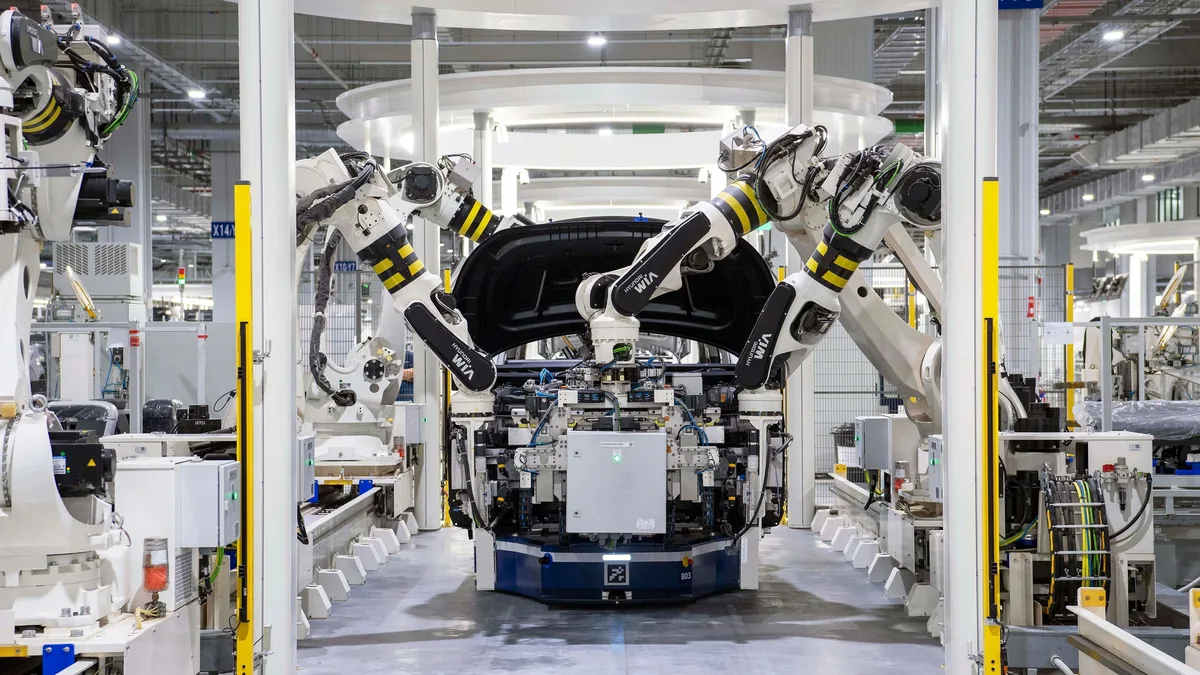
Hyundai opens new robotics plant in U.S
Hyundai Motor Co. is building a new U.S. robotics manufacturing facility and expanding its Robot Metaplant Application Center in Georgia, aiming to...