Union Activity And Contracts
Origin and history
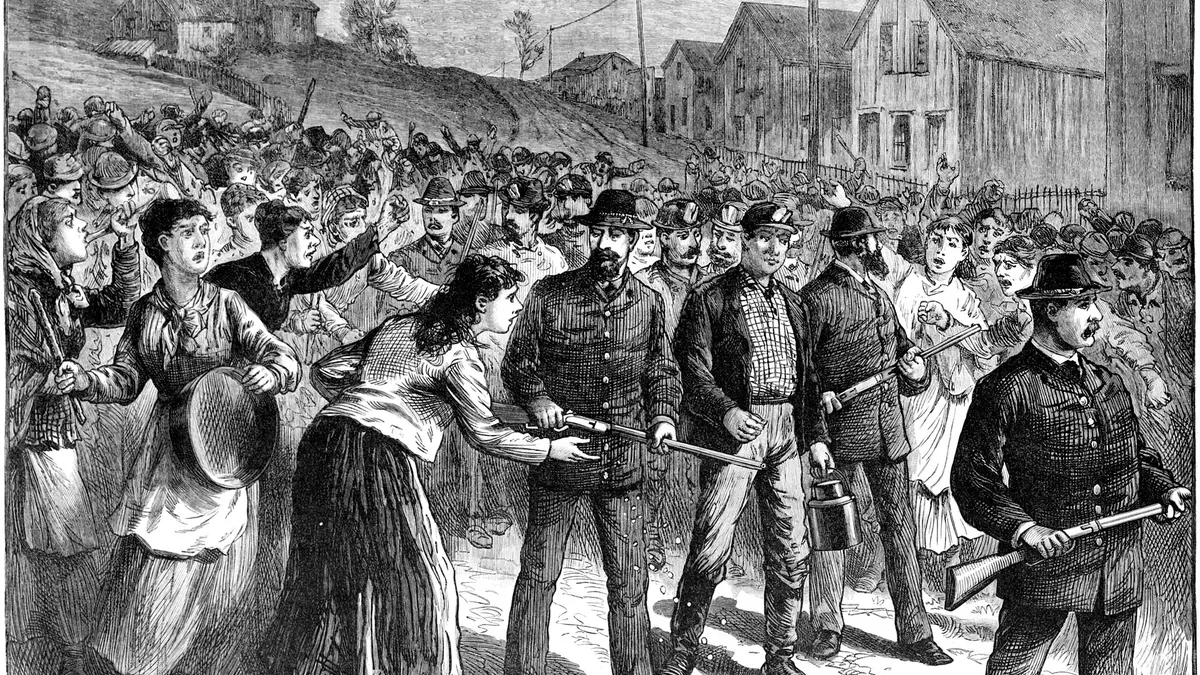
The formal process of collective bargaining between organized labor and management, known as Union Activity And Contracts, originated in Western Europe and North America during the Industrial Revolution of the 18th and 19th centuries. Its development is deeply tied to the rise of factory systems, where workers began to organize in response to long hours, low pay, and unsafe working conditions. Early forms of collective action were often informal and met with significant legal and sometimes violent opposition from employers and governments. The legal recognition of trade unions and the right to collectively bargain was a gradual process, achieved in different nations across the late 19th and early 20th centuries. Landmark legislation, such as the Wagner Act of 1935 in the United States, created formal frameworks for union certification and contract negotiation. This historical struggle established the foundational principles that govern union activity and contract negotiation in many industrialized nations today.
What it is for
Union Activity And Contracts serves to establish a legally binding agreement, known as a collective bargaining agreement (CBA), that defines the terms and conditions of employment for a group of workers. Its primary purpose is to provide employees with a collective voice to negotiate with management over wages, benefits, hours, and working conditions. The process is designed to balance the inherent power disparity between an individual worker and a corporate employer by leveraging the collective strength of the workforce. It institutionalizes a formal channel for resolving workplace disputes through defined grievance and arbitration procedures outlined in the contract. Furthermore, the process seeks to provide stability and predictability for both labor and management by setting clear rules that govern the employment relationship for a fixed term. Ultimately, it is a structured mechanism for determining how the economic value generated by a factory's operations is shared between capital investment and labor.
Overview
The process of Union Activity And Contracts is a multi-stage cycle that begins with workers organizing and voting for union representation, leading to the negotiation of a first contract. Once a union is certified, representatives from the union and the company's management meet at the bargaining table to propose, discuss, and negotiate the terms of the collective bargaining agreement. Key sections of a typical contract include compensation, health and safety protocols, seniority rights, job classifications, work schedules, and procedures for discipline and discharge. Negotiations can involve extensive proposals and counter-proposals, often requiring compromise from both sides, and may reach an impasse that leads to mediation, arbitration, or a strike/lockout. After ratification by the union membership, the contract is enforced for its duration, typically three to five years, with both parties obligated to adhere to its terms. The process then resets as the contract expiration date approaches, initiating a new round of bargaining for a successor agreement.
What to know
A collective bargaining agreement is a legally enforceable document, and violations by either party can lead to grievances, arbitration, or legal action. The "bargaining unit" is the specific group of employees covered by the contract, which is carefully defined during the union certification process. Union security clauses, such as those requiring union membership or the payment of dues, are common but highly regulated and vary by jurisdiction. Management retains certain "management rights," explicitly reserved in the contract, to make operational decisions like assigning work and scheduling production, provided they do not violate the agreement. The negotiation process is fundamentally about trade-offs, where gains in one area, such as higher wages, may be balanced against concessions in another, like changes to healthcare cost-sharing. Understanding that the contract governs the daily reality on the factory floor, from break times to promotion pathways, is essential for both workers and supervisors.
Common questions
What is the difference between a union authorization card and a contract vote? Signing a card indicates support for union representation, while a contract vote is on the final negotiated agreement itself. Can management refuse to bargain? In most jurisdictions with labor laws, employers have a legal duty to bargain in good faith with a certified union over wages, hours, and conditions. What happens if we cannot agree on a new contract? If negotiations fail, the union may call a strike, or the employer may impose a lockout, though most disputes are resolved before this point through continued negotiation or mediation. Does a union contract protect individual employees from being fired? It does not guarantee lifetime employment but typically requires that any discipline or discharge be for "just cause" and provides a grievance procedure to challenge unfair actions. Are all factory workers automatically covered by a new union contract? No, only those in the defined bargaining unit are covered, and contracts often have a probationary period for new hires. How are union dues used? Dues fund union operations, including negotiating contracts, handling grievances, member education, and sometimes political lobbying, as regulated by law.
Pros and cons
A primary pro is the establishment of standardized, transparent rules that reduce arbitrary managerial decisions and create a more predictable work environment. Contracts typically secure better compensation and benefits packages than non-union counterparts and provide a powerful mechanism for enforcing workplace safety standards. The cons include the potential for rigidity, where strict seniority rules or job classifications can hinder operational flexibility and make it difficult to reward high-performing individuals outside the contract structure. The negotiation process itself can be lengthy, resource-intensive, and acrimonious, potentially damaging workplace morale and leading to costly production disruptions from strikes. A common mistake for management is viewing the contract solely as a constraint rather than a tool for stability, leading to adversarial enforcement that fuels discontent. Workers sometimes regret the process if their union fails to secure key demands or if mandatory dues are perceived as providing insufficient value, particularly in periods of economic strain for the factory.
Who it suits
This process suits workforces in established, capital-intensive industries like automotive or heavy manufacturing, where stable, long-term employment is the norm and clear rules are needed for complex operations. It is particularly suited to employees who value collective solidarity, job security through seniority, and comprehensive benefit packages over individual performance-based rewards. Factories with a history of labor disputes or significant power imbalances between workers and management often find structured contracts necessary to maintain industrial peace. The process suits management teams that prefer a single, comprehensive agreement governing all employment terms, even if complex, over managing numerous individual arrangements. It is less suited to highly dynamic, project-based industries with rapidly changing skill needs or startups where operational flexibility is the paramount concern. The system also assumes a level of institutional maturity and mutual recognition from both union leadership and factory management to function effectively.
Latest Union Activity And Contracts news
Latest reporting
NAM's Timmons: AI and Tax Policy Drive Manufacturing Growth
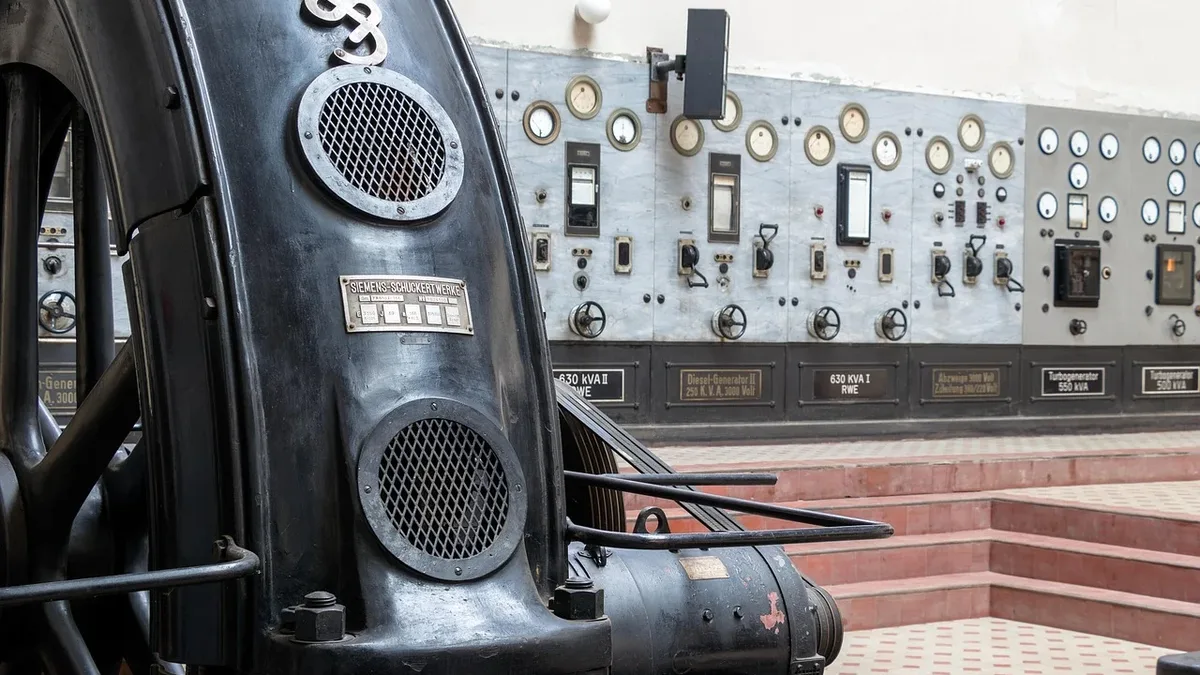
NAM President Jay Timmons says the 2025 tax law and AI-driven data center demand are fueling a surge in U.S. Manufacturing activity across many...
Boeing, Deere, Steel Firms in Union Talks
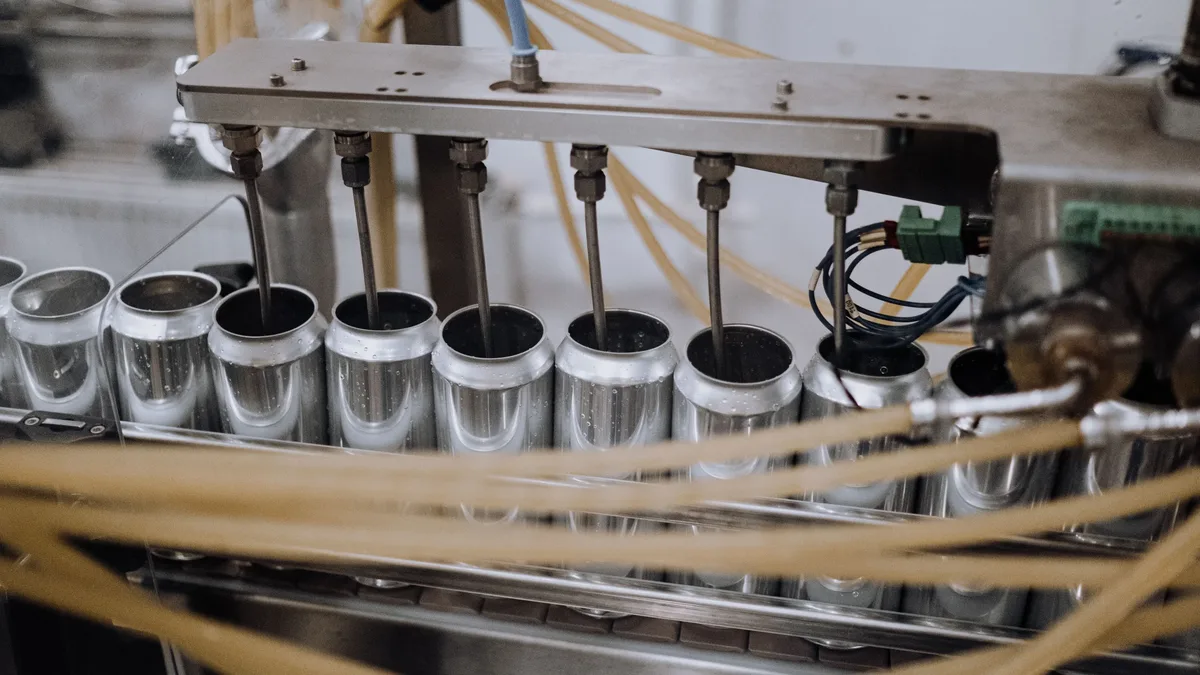
Boeing, Deere, U.S. Steel, and Cleveland-Cliffs are in labor talks with unions. Some offers have been rejected and strike authorizations are filed.

Kansas City Fed: Tenth District
Manufacturing activity in the Tenth Federal Reserve District grew at a faster pace in August, with the composite index rising to 10 from 9.
Philadelphia Fed Manufacturing Index at 47.4
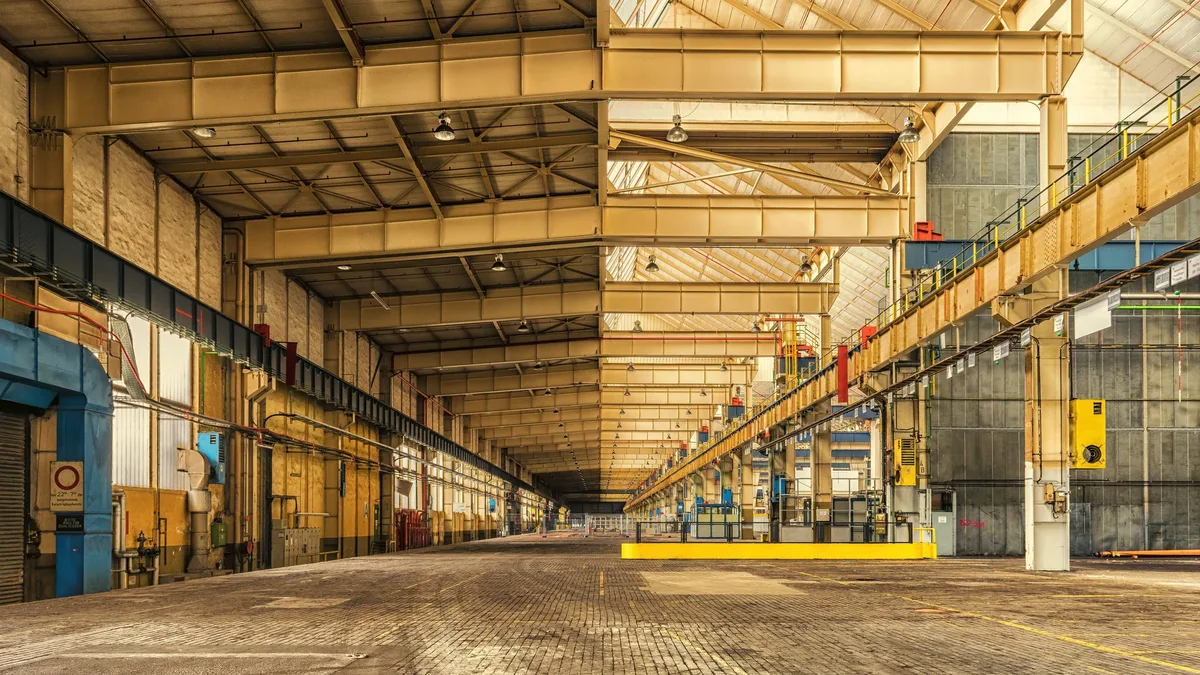
Manufacturing activity in the Philadelphia region expanded in August to its highest level since April 2021, according to the Federal Reserve Bank of

Advance Auto Parts Rebids Carrier Contracts to Save Tens of Millions
Advance Auto Parts is rebidding all carrier contracts to optimize transportation productivity, targeting 70% fewer carriers and tens of millions in...