Shift Patterns And Overtime
| Process name | Shift Patterns And Overtime |
|---|---|
| Original use | Optimize factory floor labor coverage and capacity utilization |
| Typical shift patterns | Rotating (e.g., day/night), fixed (e.g., day shift only), compressed workweek |
| Common overtime triggers | Surge in production orders, machine breakdowns, staff shortages |
| Overtime compensation | Typically paid at a premium rate (e.g., time-and-a-half) |
| Scheduling method | Often governed by a posted roster or digital scheduling system |
| Regulatory framework | Subject to local labor laws and collective bargaining agreements |
Origin and history
The systematic organization of shift patterns and the formal practice of overtime emerged alongside industrialization in Western Europe and North America during the late 18th and 19th centuries. Prior to this, work was largely dictated by daylight and task completion rather than fixed hourly schedules. The factory system, particularly in textile mills in Britain, required continuous operation to maximize the return on capital investment in machinery, giving rise to shift work. Overtime, as a concept of hours worked beyond a standard schedule, became formally defined with the rise of labor movements and subsequent legislation. Early industrial shifts were often extremely long, with 12 to 16-hour days being common, and overtime was frequently mandatory and uncompensated. The historical development of these practices is inextricably linked to the evolution of labor laws aimed at limiting working hours and regulating overtime pay.
What it is for
Shift patterns are designed to extend the operational hours of a facility beyond a standard workday, thereby maximizing the utilization of expensive capital equipment like production machinery. They serve to meet fluctuating production demands, increase overall output, and provide service coverage in industries requiring 24/7 operations, such as manufacturing, healthcare, and utilities. Overtime functions as a flexible tool to manage short-term increases in workload, urgent orders, or staff shortages without the immediate need to hire additional permanent employees. Together, these practices aim to balance labor costs with production capacity and responsiveness to market needs. They are fundamental to project-based work where deadlines are critical, and in process industries where stopping production is prohibitively costly. Ultimately, they are mechanisms for aligning human labor with the continuous or intensive operational requirements of capital-intensive businesses.
Overview
Shift patterns refer to the scheduled periods of work that distribute employee hours across the day, week, or month to cover extended operational schedules. Common patterns include day, night, and afternoon (swing) shifts, as well as rotating schedules where employees cycle through different shifts. Overtime is defined as time worked by an employee beyond their standard contracted hours, typically attracting a higher rate of pay as mandated by law or contract. The interaction between shifts and overtime is critical; a poorly designed shift schedule can lead to excessive reliance on overtime to meet base production goals, indicating a capacity planning failure. These practices are governed by a complex framework of employment contracts, national and local labor laws, and collective bargaining agreements that dictate premiums, rest periods, and voluntary participation. Effective management of both elements is a core function of industrial engineering and workforce planning within manufacturing and operations management.
What to know
Labor laws in most jurisdictions strictly regulate both shift work and overtime, particularly concerning premium pay rates, mandatory rest periods between shifts, and voluntary consent for overtime work. Implementing a new shift pattern or increasing overtime is often subject to consultation with employee representatives or unions, and cannot be unilaterally imposed in many regulated environments. From a financial perspective, while overtime avoids the fixed costs of new hires, its cumulative cost at premium rates can erode profitability and is often a sign of understaffing or poor scheduling. Chronobiology research clearly shows that night shifts and rotating schedules disrupt circadian rhythms, leading to increased health risks, fatigue, and higher rates of errors or accidents. The "hidden" costs of extensive overtime and anti-social shifts include higher employee turnover, increased absenteeism, and greater recruitment and training expenses. A factory's announcement of investment in new machinery typically triggers a review of shift patterns, as the business case for the investment often relies on achieving higher equipment utilization through extended operating hours.
Common questions
Are employers required to pay more for night shift work? This depends entirely on local labor law and the specific employment contract; some jurisdictions mandate a night shift differential, while others do not. Can an employee refuse to work overtime? In many regions, employees can refuse overtime that is not stipulated in their contract, especially if it is not voluntary, but essential service roles may have different requirements. What is the difference between rotating and fixed shifts? Fixed shifts assign an employee permanently to a specific schedule, while rotating shifts move employees through a cycle of different start and finish times. How does overtime impact safety? Studies consistently show that accident rates increase with extended overtime and fatigue, particularly when combined with night work. Does a four-day, ten-hour shift schedule eliminate overtime? Not necessarily; overtime would still be triggered when work exceeds the agreed ten hours per day or the weekly hour threshold defined by law. What is "mandatory overtime" and is it legal? Mandatory overtime requires employees to work extra hours under threat of discipline; its legality is governed by employment standards legislation and collective agreements.
Pros and cons
The primary advantage of optimized shift patterns is the ability to achieve high asset utilization, making expensive factory equipment productive for more hours per day, which improves the return on investment. Overtime provides management with crucial flexibility to handle demand peaks, cover absences, and meet urgent deadlines without the long-term commitment of hiring additional staff. A significant con is that excessive reliance on overtime is a strong indicator of poor capacity planning and can become a costly crutch that masks underlying staffing problems. Shift work, particularly night and rotating shifts, is conclusively linked to adverse health outcomes for workers, including sleep disorders, metabolic issues, and increased cardiovascular risk. A common mistake is viewing overtime as a free or cheap solution, while neglecting its impact on employee burnout, quality defects, and the long-term sustainability of the workforce. Many operations managers regret implementing overly complex rotating shift schedules that employees despise, leading to low morale and high turnover that ultimately undermine operational stability.
Who it suits
Continuous process industries, such as chemical plants or steel mills, are fundamentally suited to shift work, as stopping production is technically difficult and economically non-viable. Capital-intensive manufacturing, where the business case for new machinery depends on achieving high daily throughput, inherently requires shift patterns to justify the investment. Overtime suits short-term, project-driven work environments with clear deadlines, such as in construction or seasonal product manufacturing, where permanent scaling is not justified. These practices suit a workforce that, whether by necessity or preference, seeks income supplementation through overtime premiums or requires non-standard hours due to personal circumstances. They do not suit organizations with a primary focus on employee wellness and work-life balance as a core cultural value, unless mitigated by exceptional compensation and support. Operations with highly variable demand that can be predicted and staffed for through flexible part-time arrangements may find extensive overtime less suitable than a more elastic core workforce model.
Latest Shift Patterns And Overtime news
Latest reporting
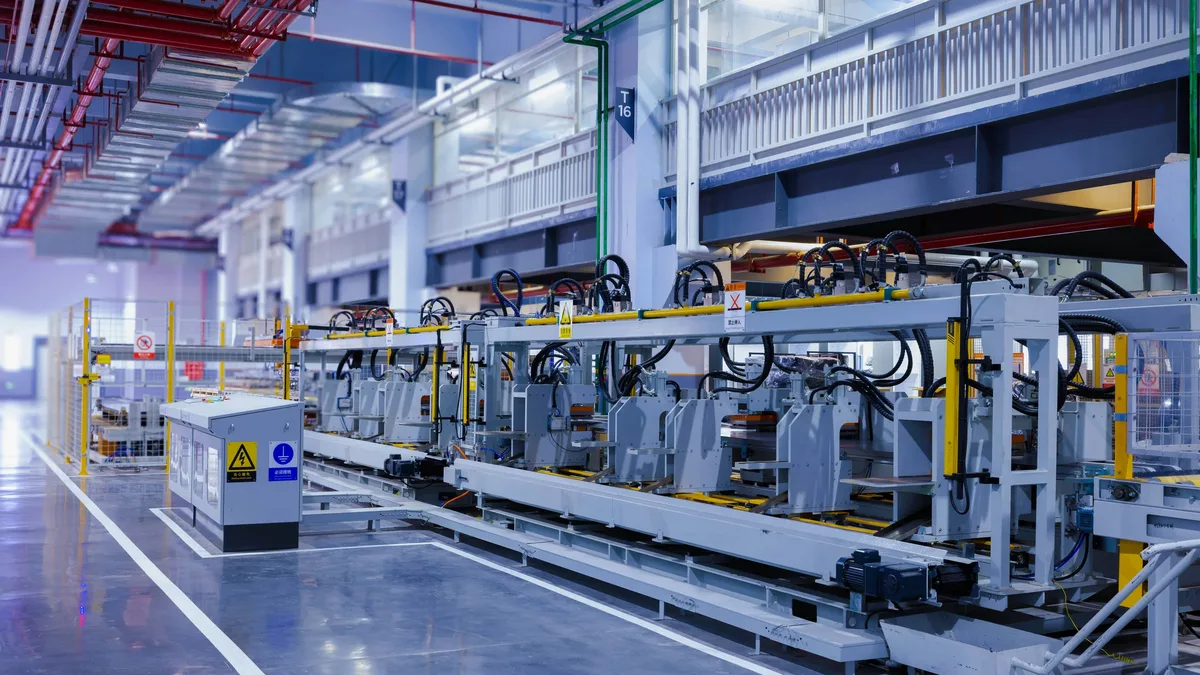
GE Appliances invests $1 billion to reshore
GE Appliances is investing $1 billion at its Louisville campus to shift high-output dryer production from Mexico to Kentucky, part of a larger $3...

Samsung SDI Takes Full Control of Indiana EV Battery Plant After GM Exit
Samsung SDI has bought General Motors' 49.99% stake in the SynergyCells joint venture, turning the New Carlisle, Indiana facility into its first...
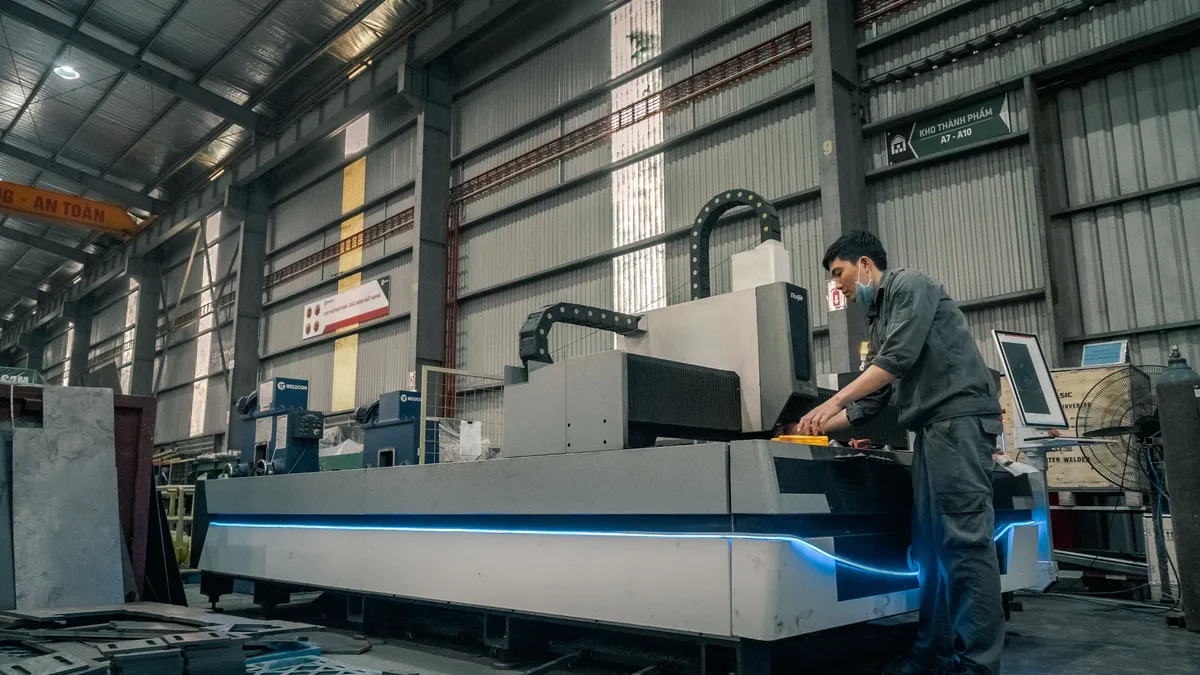
Ford to Shift Lincoln Production to U.S., Phase Out China Imports by 2030
Ford Motor Co. plans to increase domestic production of its Lincoln luxury vehicles starting in 2030, ending imports from China due to high tariffs...