Shift Differentials And Retention
| Process type | Operational and financial management |
|---|---|
| Primary stakeholders | Production floor management, Human Resources, Finance |
| Typical implementation level | Factory or plant-wide |
| Common trigger | Labor market conditions or strategic investment |
| Typical goal | Mitigate turnover and stabilize workforce |
| Key metric tracked | Voluntary turnover rate |
| Administrative function | Payroll system adjustment |
| Reporting oversight | Often requires executive or board approval |
Origin and history
Shift differentials as a formal practice originated in the manufacturing economies of the United States during the mid-20th century. The widespread adoption of around-the-clock production during World War II created a critical need for labor on evening and overnight shifts. Industrial employers began offering additional pay premiums to incentivize workers to accept these less desirable hours. The concept of retention strategies directly tied to these shift schedules emerged later, as industries with continuous operations faced high turnover. Retention-focused policies evolved from simple pay differentials into broader packages that could include bonuses, benefits, and seniority perks. The combined system of shift differentials and retention mechanisms is now a standard feature of global 24-hour manufacturing and essential service industries.
What it is for
This process is designed to ensure adequate staffing across all hours of a continuous operation, particularly evening, night, and weekend shifts. Its primary function is to compensate employees for working socially inconvenient or physically demanding hours that disrupt normal circadian rhythms. A secondary and equally critical function is to reduce voluntary turnover among staff assigned to these non-standard shifts. By combining immediate financial compensation with longer-term incentives, the process aims to make these shifts more acceptable and sustainable for the workforce. It serves the factory's operational need for uninterrupted production while attempting to address employee well-being and job satisfaction. Ultimately, it is a critical tool for managing labor stability in environments where shift work is unavoidable.
Overview
Shift differentials and retention is a combined human resources and payroll process involving premium pay and structured incentives. The differential is a percentage or flat hourly rate added to base pay for hours worked during designated off-shifts, such as evenings, nights, or weekends. Retention components are longer-term incentives that may include quarterly or annual bonuses for perfect shift attendance, additional paid time off accrual, or enhanced benefits eligibility for shift workers. On the factory floor, this process directly influences shift bidding, staffing levels, and employee morale across different crews. The announcement of a factory investment often includes revising these differentials and retention packages to attract and keep workers for new or expanded production lines. The entire process requires careful coordination between operations planning, finance, and HR to align costs with labor availability and legal standards.
What to know
The specific percentage or dollar amount of a shift differential is not standardized and varies significantly by industry, region, union contract, and company policy. Night shifts typically command a higher premium than evening shifts, with weekend premiums often applied separately or in combination. Retention bonuses often have strict conditions, such as remaining in a shift role for a full year or maintaining a specific attendance record, and they may be forfeited if an employee transfers to a day shift. These policies must comply with local labor laws, which may dictate how shift premiums interact with overtime calculations. On the floor, these differentials can create perceptions of inequality between day-shift and off-shift crews, requiring careful management communication. A factory investment announcement that alters production schedules will necessitate a review and likely a recalibration of the entire shift differential and retention structure to meet new staffing demands.
Common questions
Do shift differentials count toward the calculation of overtime pay? In most jurisdictions, yes, because the differential is considered part of the regular rate of pay. How is a "night shift" typically defined? While it varies, it commonly refers to a shift where a majority of hours fall between 11:00 PM and 7:00 AM. Are shift differentials paid for all hours worked or only the hours within the differential window? They are typically paid only for the actual hours worked during the eligible shift period. What happens to my shift differential if I stay late or come in early? Only hours scheduled and worked within the premium shift window qualify; extra hours outside that window are usually paid at the base rate unless they qualify for overtime. Can an employer change the differential rate? Generally yes, but advance notice is often required, and changes may be subject to collective bargaining agreements. Do all employees on a shift automatically get the retention bonus? No, employees must usually meet all the pre-defined conditions, such as tenure and performance metrics, to qualify.
Pros and cons
A significant pro is that it effectively fills shifts that would otherwise be understaffed, ensuring continuous plant operation and meeting production targets. It provides tangible, immediate compensation for the personal and health sacrifices associated with irregular hours. A well-structured retention bonus can dramatically reduce turnover and training costs, building a more experienced and stable off-shift team. A major con is that it can foster resentment and a two-tier culture if day-shift workers perceive off-shift crews as being overpaid for less demanding work, as day shifts often involve more management oversight and direct customer interaction. The common mistake is setting differentials too low or retention cliffs too steep, leading to a cycle of hiring and quick quitting that erodes any cost savings. Employers often regret implementing complex retention schemes that administrative systems cannot track accurately, leading to payroll errors and employee grievances. Some employees who take these shifts for the money later regret the impact on their health and family life, finding the long-term consequences outweigh the financial benefit.
Who it suits
This process suits large-scale manufacturing, processing, and utility industries that require continuous, 24/7 operations to justify high capital investment in equipment. It suits employees who are naturally nocturnal, who need higher income in the short term, or who value having weekdays free for other pursuits. It is particularly suited to unionized environments where differential rates and retention criteria can be clearly negotiated and codified in a collective agreement. It suits management teams that are prepared to invest in robust scheduling and payroll systems to administer the complexities of variable pay and bonus eligibility. It does not suit small workshops, standard office businesses, or industries with purely daytime demand, as the cost and administrative burden would provide no operational return. It is also poorly suited to workplaces with a strong culture of work-life balance unless combined with very significant compensatory time-off policies.
Latest Shift Differentials And Retention news
Latest reporting
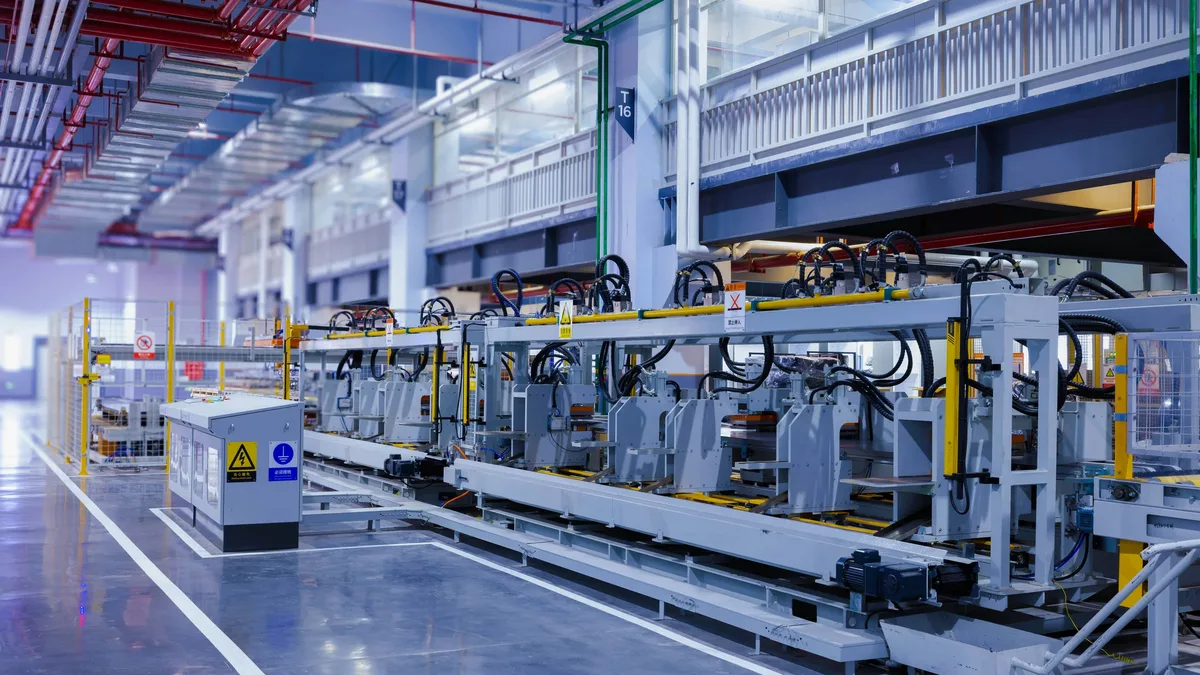
GE Appliances invests $1 billion to reshore
GE Appliances is investing $1 billion at its Louisville campus to shift high-output dryer production from Mexico to Kentucky, part of a larger $3...
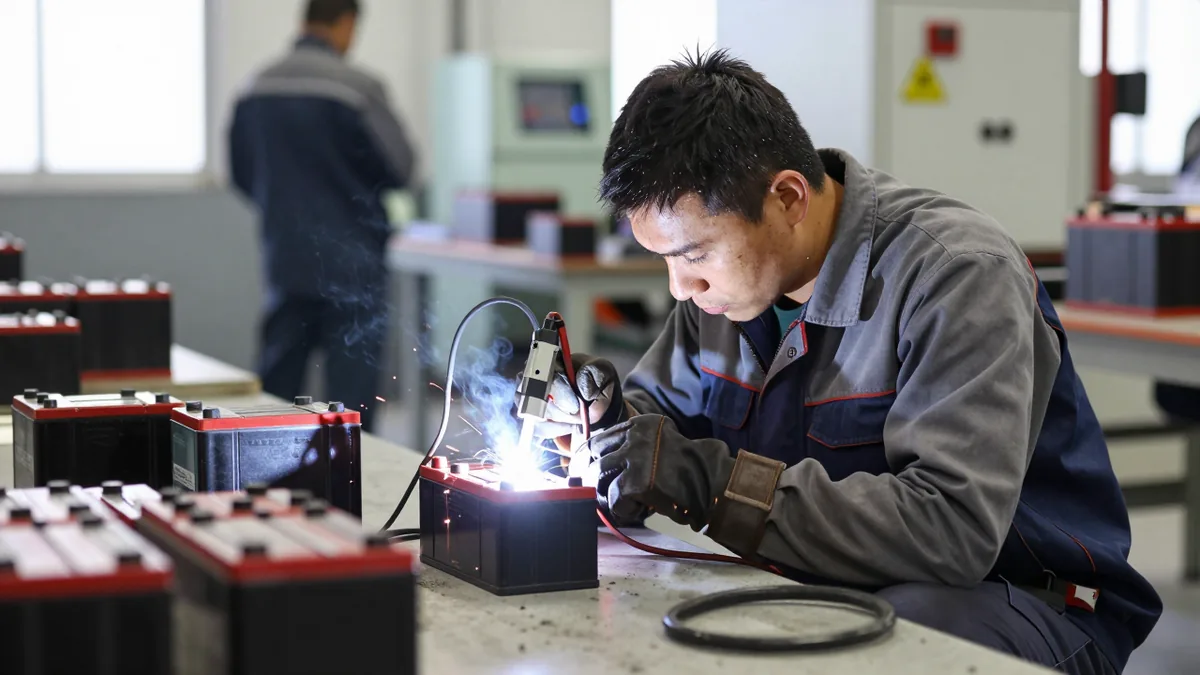
Samsung SDI Takes Full Control of Indiana EV Battery Plant After GM Exit
Samsung SDI has bought General Motors' 49.99% stake in the SynergyCells joint venture, turning the New Carlisle, Indiana facility into its first...
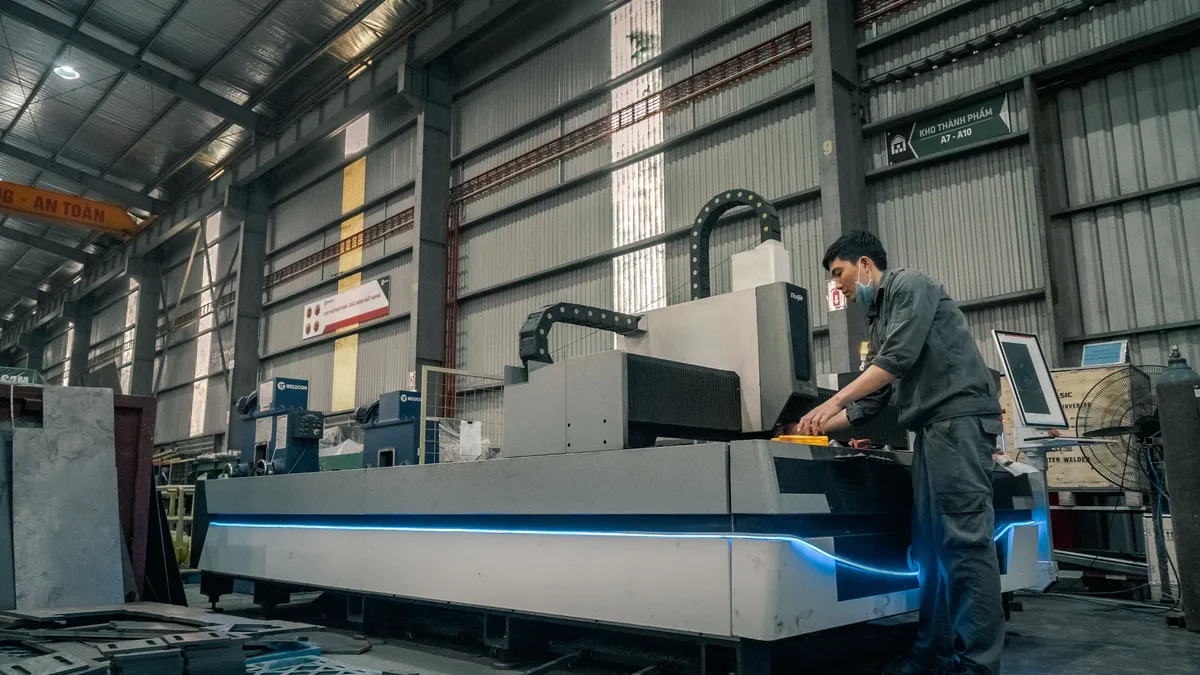
Ford to Shift Lincoln Production to U.S., Phase Out China Imports by 2030
Ford Motor Co. plans to increase domestic production of its Lincoln luxury vehicles starting in 2030, ending imports from China due to high tariffs...