Ot Cybersecurity On The Plant Floor
| Core objective | Protect industrial control systems from cyber threats. |
|---|---|
| Primary focus | Operational Technology (OT) networks and physical processes. |
| Typical scope | PLCs, SCADA systems, HMIs, sensors, and actuators. |
| Key distinction | Prioritizes safety and availability over confidentiality. |
| Common threats | Malware, ransomware, unauthorized access, and supply chain attacks. |
| Implementation phase | Risk assessment, network segmentation, access control, monitoring. |
| Original use | Securing critical infrastructure and manufacturing environments. |
Origin and history
The concept of Operational Technology (OT) cybersecurity specifically for the plant floor originated in the industrialized nations of North America and Western Europe. It emerged as a distinct discipline in the late 2000s and early 2010s, following a series of high-profile cyber incidents targeting critical infrastructure. This period marked the convergence of previously isolated industrial control systems (ICS) and supervisory control and data acquisition (SCADA) networks with enterprise IT systems. The need for specialized security practices grew from the recognition that traditional IT cybersecurity models were insufficient and often hazardous when applied directly to industrial environments. The Stuxnet malware discovery in 2010 was a pivotal event that demonstrated the potential for cyber weapons to cause physical damage to industrial processes. Consequently, frameworks and standards began to be developed to address the unique requirements of securing production environments.
What it is for
OT cybersecurity on the plant floor is for protecting the systems that control physical industrial processes from cyber threats. Its primary purpose is to ensure the safety of personnel, the protection of the environment, and the integrity of production operations. It safeguards against disruptions that can lead to costly downtime, equipment damage, or the production of defective goods. This discipline is designed to prevent threat actors from manipulating industrial control systems to cause unsafe operating conditions. It also aims to protect proprietary process information and recipes from theft or sabotage. Furthermore, it provides the security foundation necessary for implementing advanced Industrial Internet of Things (IIoT) and Industry 4.0 initiatives without introducing unacceptable risk.
Overview
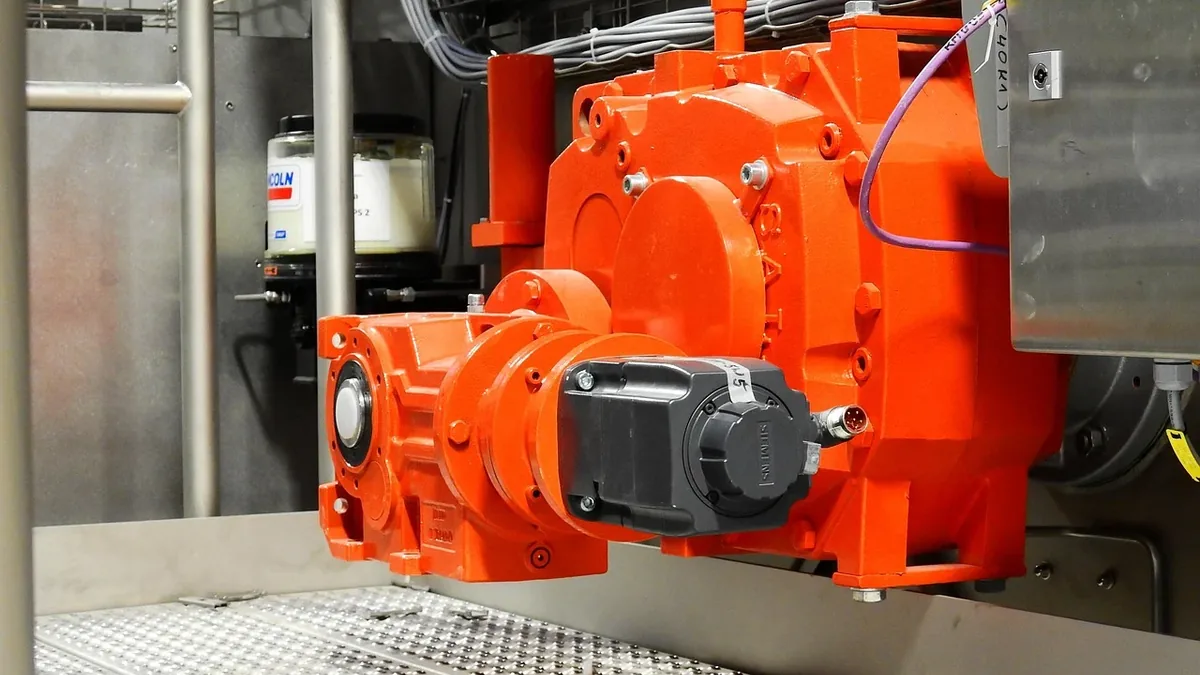
OT cybersecurity on the plant floor involves a set of practices, technologies, and policies tailored to the industrial environment. It focuses on assets like programmable logic controllers (PLCs), distributed control systems (DCS), human-machine interfaces (HMIs), and field devices that directly interact with machinery. The approach prioritizes operational continuity and safety over confidentiality, which is the traditional priority in IT security. Key activities include asset inventory and management, network segmentation (often using industrial demilitarized zones or iDMZs), vulnerability management for legacy systems, and monitoring for anomalous process behavior. It requires close collaboration between OT engineers, who understand process operations, and cybersecurity professionals. The overarching goal is to manage cyber risk to a level acceptable for safe and reliable plant operation.
What to know
A fundamental thing to know is that plant floor OT systems often have lifespans measured in decades and were not designed with modern connectivity in mind. Applying standard IT security patches can be impossible without causing process instability or requiring lengthy validation shutdowns. The concept of an "air gap" is largely a myth, as indirect connections through engineering workstations or supply chain networks often exist. Effective OT cybersecurity requires a detailed understanding of the specific industrial process being protected, including its safety instrumented systems. Regulatory compliance, such as meeting standards from NERC CIP, IEC 62443, or regional directives, is a major driver for investment but should not be the sole objective. Successful implementation is a continuous program, not a one-time project, and hinges on establishing clear organizational responsibility and governance between OT and IT departments.
Common questions
A common question is how OT cybersecurity differs from standard IT cybersecurity, with the key difference being the consequence of failure impacting physical safety and production over data loss. Organizations often ask what the first step should be, which is universally agreed to be gaining a complete and accurate inventory of all OT assets and their network communications. People frequently inquire about the cost, which is highly variable but always significant, encompassing technology, specialized personnel, and potential process modifications. Many wonder if insurance can cover the risk, while some cyber insurance is available, insurers increasingly require demonstrable security controls, and coverage for physical damage or business interruption is limited. A recurring question concerns responsibility, which typically falls to a blend of plant management, engineering, and corporate security, often necessitating a new OT security manager role. Finally, companies ask about measuring success, where metrics shift from counting blocked attacks to measuring reduction in incident response time, improvement in asset visibility, and maintenance of safety integrity levels.
Pros and cons
A major pro is the direct enhancement of operational resilience, protecting significant capital investment in plant equipment and ensuring business continuity. It enables safer adoption of digitalization and data analytics initiatives that can improve efficiency. A significant con is the high implementation cost and complexity, which can strain budgets and require scarce specialized expertise that commands high salaries. Organizations often regret a checkbox-compliance approach that builds expensive security layers without truly understanding process risk, leading to systems that are both costly and ineffective. A common mistake is allowing the IT department to lead without deep OT integration, resulting in security tools that disrupt sensitive control loops or cause unplanned downtime. Another frequent error is focusing solely on network perimeter defenses while neglecting threats from within, such as those introduced by third-party maintenance vendors or infected USB drives.
Who it suits
OT cybersecurity on the plant floor suits industrial organizations in critical infrastructure sectors such as energy, water treatment, chemicals, and manufacturing. It is essential for facilities running continuous processes where an outage results in massive financial loss or safety hazards. Companies pursuing smart factory or Industry 4.0 transformations must adopt these practices to secure their connected operations. It suits organizations with a mature safety culture, as the principles of risk management and procedural rigor align well. Conversely, it is less suited to small workshops with entirely manual or mechanically controlled processes without digital control systems. The approach is also critical for original equipment manufacturers (OEMs) who are embedding increasing connectivity into their industrial machinery and need to provide secure products.
Latest Ot Cybersecurity On The Plant Floor news
Latest reporting

Boston Dynamics opens Hyundai robotics center for Atlas
Boston Dynamics has opened a robotics center at Hyundai's Georgia EV plant to train Atlas humanoids for factory tasks, aiming for component assembly...

Boston Dynamics Opens Atlas Robot Training Center at Hyundai
Boston Dynamics has opened a permanent Robotics Metaplant Application Center at Hyundai's Georgia auto plant to train its Atlas humanoid robots for
Ford invests $1 billion in Kentucky Truck Plant paint shop
Ford Motor Co. Is investing $1 billion in its Kentucky Truck Plant in Louisville to add a state-of-the-art paint shop, aiming to improve quality and

Cyclic Materials Opens $20M Rare Earth Recycling Plant
Cyclic Materials has opened a $20 million rare earth magnet recycling facility in Mesa, Arizona, capable of processing 25,000 metric tons of scrap

SK Hynix, Stellantis Lead $5.5B Factory Investments
Six major manufacturing investments were announced in August, led by SK Hynix's $4 billion AI memory fab in Indiana and Stellantis adding $200...

Cybersecurity key to robot safety
A report says robot safety must include cybersecurity, as hackers can manipulate a robot's perception and actions without triggering a system failure.