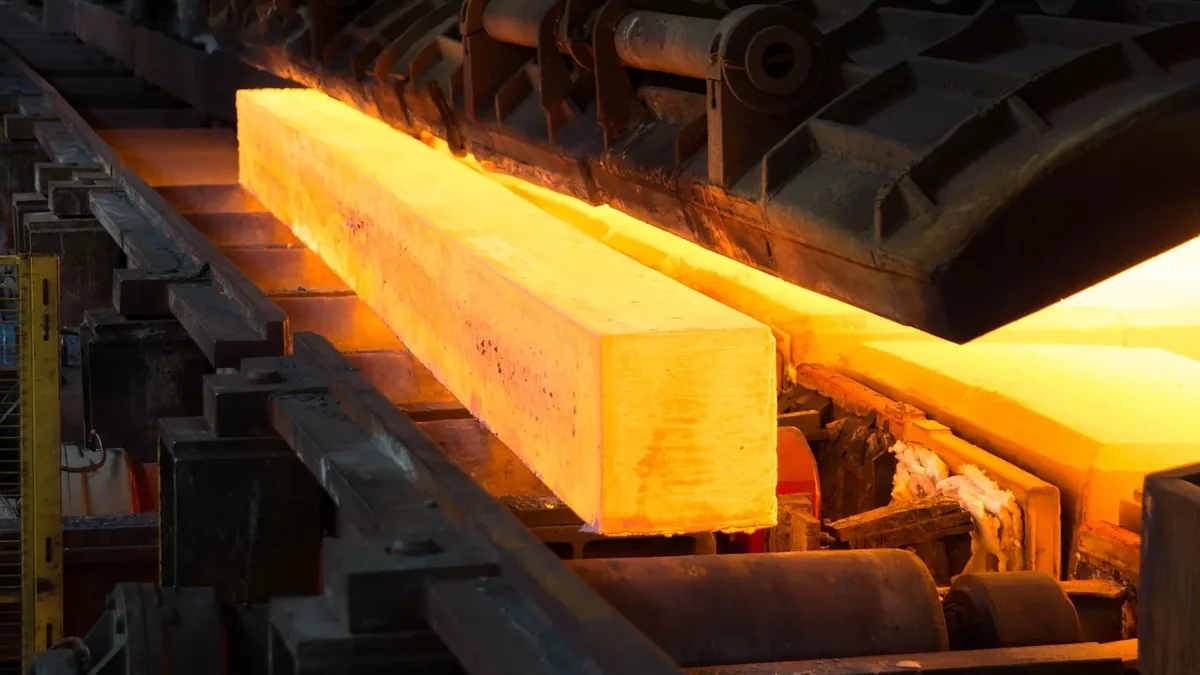
Metals & Foundry
Origin and history
The industrial process of Metals & Foundry originates from ancient metallurgical practices developed in multiple regions, including the Fertile Crescent and China. The foundational techniques for casting metal into molds date back several millennia, with early evidence from the Bronze Age. The modern industrial foundry, as a centralized facility for metal casting, began to take shape in Europe during the 18th century alongside the broader Industrial Revolution. The systematic use of sand molds for iron casting, a cornerstone of foundry work, was significantly advanced in Britain during the early 1700s. The development of cupola furnaces for melting iron further standardized foundry operations throughout the 19th century. These historical advancements collectively evolved into the integrated Metals & Foundry processes used in contemporary manufacturing.
What it is for
The Metals & Foundry process is for creating solid metal components, known as castings, from molten metal. It is specifically employed to manufacture parts with complex geometries that would be difficult or impossible to achieve through machining or forging. This process is fundamental to producing engine blocks, cylinder heads, machine tool bases, and large structural components for heavy industry. It serves industries such as automotive, aerospace, construction, and energy by providing the foundational metal parts for larger assemblies. The foundry is also utilized for producing artistic sculptures, historical replicas, and specialized hardware like valves and pumps. Its primary function is to transform raw metal into a near-net-shape product ready for secondary finishing operations.
Overview
A Metals & Foundry operation involves a sequence of standardized steps to produce a metal casting. The process begins with patternmaking, where a replica of the desired part is created from wood, metal, or plastic to form the mold cavity. Molding then involves packing a refractory material, typically sand mixed with a binder, around the pattern to create the mold. After the pattern is removed, cores may be inserted to form internal passages in the final casting. Melting is conducted in furnaces such as cupolas, induction, or arc furnaces to prepare the molten metal at a specific temperature and composition. The molten metal is subsequently poured into the prepared mold cavity through a gating system and allowed to solidify. Once cooled, the casting is removed from the mold in the shakeout process, followed by cleaning, finishing, and inspection.
What to know
The specific alloy being cast dictates the melting temperature, furnace type, and mold material requirements, with ferrous and non-ferrous metals having distinct processes. Foundry work generates significant waste material, including used sand molds and slag, which require dedicated handling and recycling systems. Environmental controls are critical due to emissions from melting and pouring, as well as particulate matter from sand handling, necessitating filtration and ventilation systems. The process requires a substantial capital investment in heavy equipment, including high-capacity melting furnaces, molding lines, and crane systems for material handling. Foundry floors are inherently hazardous environments, with risks from molten metal, high temperatures, heavy machinery, and airborne dust, demanding strict safety protocols. Quality control is paramount, with non-destructive testing methods like X-ray or ultrasound often used to detect internal defects such as porosity or shrinkage in the final castings.
Common questions
What is the difference between a foundry and a forge? A foundry pours molten metal into a mold to solidify, while a forge shapes solid metal through hammering or pressing. How long does it take to produce a casting? Lead times vary from hours for small, simple sand castings to weeks for large, complex castings requiring intricate pattern and mold preparation. What metals are most commonly cast? Iron alloys, aluminum alloys, steel, bronze, and brass are the most prevalent metals processed in industrial foundries. Can a foundry cast any design? Design limitations exist, such as the need for draft angles for pattern removal and considerations for metal flow and solidification to prevent defects. What happens to the mold after casting? Most sand molds are destroyed during the shakeout process, with the sand often reclaimed and recycled for future molds. Is casting a precise manufacturing method? While capable of producing near-net shapes, castings typically require secondary machining operations to achieve tight tolerances and final dimensions.
Pros and cons
A primary advantage is the ability to produce complex, monolithic parts with internal cavities in a single operation, which can be more cost-effective than assembling multiple machined pieces. The process is highly versatile, accommodating a wide range of metals, part sizes, and production volumes, from one-off items to mass production. However, the initial tooling and pattern costs can be very high, making short production runs economically challenging. The process often results in material waste from sprues, runners, and gates, and the metal shrinkage during solidification can lead to scrap if not meticulously controlled. Common mistakes include inadequate mold venting, which causes gas porosity, or incorrect riser placement, leading to incomplete castings or shrinkage defects. Operators frequently regret underestimating the extensive post-casting cleanup required, as removing excess material and surface imperfections can be labor-intensive and time-consuming.
Who it suits
This process suits large-scale manufacturing industries that require high volumes of identical metal components, such as the automotive sector for engine and transmission parts. It is also appropriate for heavy equipment manufacturers needing large, one-of-a-kind or low-volume castings for machinery bases or frames, where tooling for other methods would be prohibitive. Jobbing foundries suit small businesses or artists needing custom or prototype castings in various metals without maintaining their own full-scale facility. The industry suits regions with established supply chains for metal scrap, sand, and binders, and with access to substantial energy resources for furnace operation. It is a fit for companies with the capital for significant upfront investment in equipment, environmental controls, and skilled labor training. The process does not suit operations requiring extremely high-precision tolerances directly from the mold or those with strict limitations on production lead times for initial tooling.