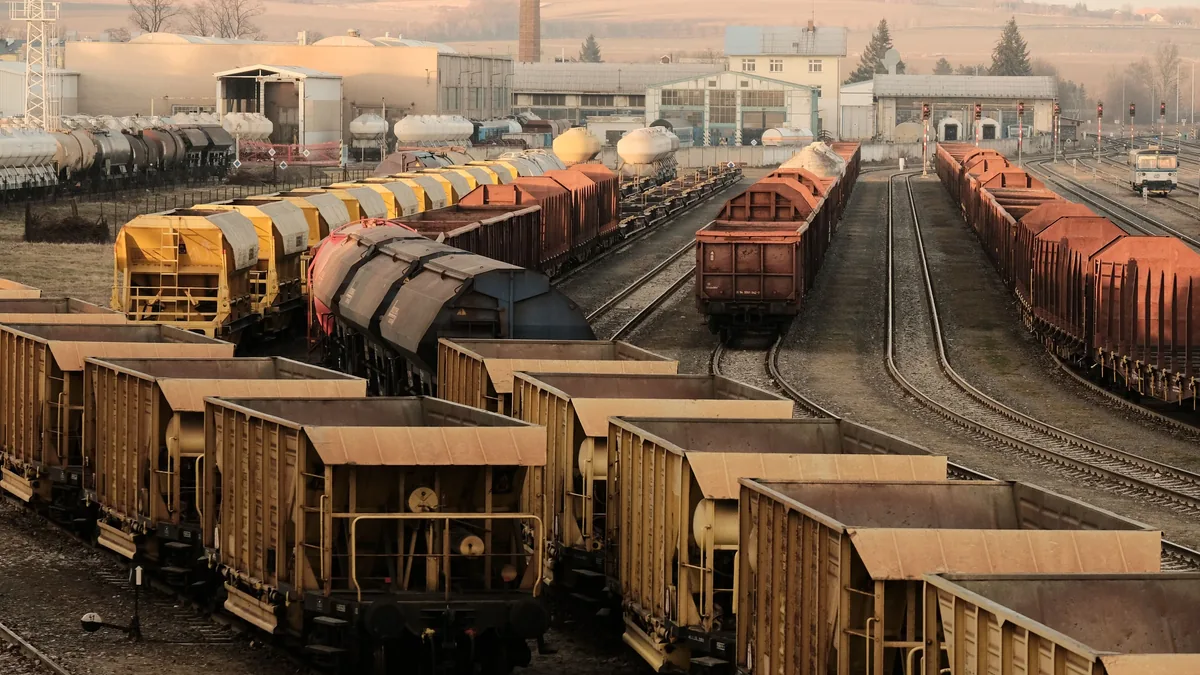
Freight, Rail And Drayage
| Process type | Logistics and material handling |
|---|---|
| Original use | Transporting heavy goods and materials over land |
| Typical scale | Industrial and intermodal |
| Key equipment | Railcars, locomotives, drayage trucks, intermodal containers |
| Primary infrastructure | Rail sidings, loading docks, freight yards |
| Common cargo | Bulk commodities, manufactured goods, intermodal containers |
| Operational control | Scheduled rail movement with flexible drayage routing |
Origin and history
The integrated use of freight rail and drayage trucking is a logistics process that originated in North America during the late 19th century. Its development is directly tied to the expansion of continental railroad networks and the standardization of the interchangeable freight container. The critical innovation was the creation of an intermodal system where goods could move seamlessly between ship, rail, and truck without being unpacked. This process became systematically organized with the advent of standardized containerization in the mid-20th century, which solved the long-standing "break of bulk" problem. The formalized coordination between long-haul rail and final-leg truck drayage solidified as a dominant freight model in the latter half of the 20th century. Its historical evolution reflects the continuous pursuit of efficiency in moving goods from factories and ports to their final distribution points.
What it is for
This process is for moving large volumes of goods over long distances with a balance of cost-efficiency and reliability that pure trucking cannot match. It is specifically designed to bridge the gap between high-capacity, long-distance rail transport and the flexible, localized delivery capability of trucks. The system is fundamental for supplying manufacturing plants with raw materials and components from distant suppliers or ports. It simultaneously serves to transport finished products from factories to regional distribution centers or directly to customers. A primary function is to alleviate highway congestion and reduce per-unit carbon emissions by leveraging the fuel efficiency of rail for the longest segment of the journey. The drayage component is essential for the first and last miles, connecting rail terminals to origins and destinations that lack direct rail sidings.
Overview
Freight, rail, and drayage is an intermodal transportation process that chains different modes of transport into a single, coordinated shipment. The process begins with a drayage truck moving a loaded container from a shipper's dock, such as a factory, to an intermodal rail terminal. At the terminal, the container is lifted from the truck chassis and placed onto a specialized flatcar for a long-haul rail journey that may span thousands of miles. Upon arrival at a destination rail terminal near the consignee, the container is transferred again onto another drayage truck chassis. The final drayage leg delivers the container to its end point, which could be another factory, warehouse, or distribution center. The entire chain relies on precise scheduling and data interchange to minimize dwell times at terminals and ensure the container keeps moving.
What to know
The efficiency of the entire process hinges on the operational performance of the intermodal rail terminals, where delays in loading or unloading railcars can cascade. Drayage is typically a short-haul trucking operation, often governed by different regulations and carrier agreements than long-haul truckload shipping. The availability of drayage truck drivers and equipment at rail ramps is a persistent logistical challenge, especially during peak shipping seasons. Shipping via this method requires understanding container ownership and leasing, as containers can be owned by steamship lines, leasing companies, or railroads. The pricing is usually a combined line-haul rail rate plus a separate drayage fee for each end of the move, which must be contracted and coordinated. Factory investment in on-site or nearby intermodal rail sidings can dramatically alter the drayage requirement and cost structure for inbound and outbound freight.
Common questions
What is the typical door-to-door transit time for a cross-country intermodal rail move compared to truckload? How far from a rail ramp can drayage service reasonably operate before it becomes cost-prohibitive? What are the standard container sizes and weight limits for domestic intermodal rail, and how do they differ from international containers? Who is liable for cargo damage or delay when multiple parties handle the shipment, and what documentation governs this? How does weather, particularly extreme cold or heat, impact rail network fluidity and intermodal terminal operations? What tracking and visibility tools do railroads and drayage providers offer to monitor a shipment's progress through each leg?
Pros and cons
The primary advantage is significantly lower cost per mile for the long-haul segment compared to over-the-road trucking, especially for dense, non-time-sensitive freight. It also offers greater fuel efficiency and a lower carbon footprint for the main transportation leg, aligning with corporate sustainability goals. A major con is the inherent lack of flexibility and longer absolute transit times, making it unsuitable for urgent or just-in-time shipments with tight windows. The process is vulnerable to congestion and operational delays at intermodal terminals, which can be opaque and difficult to mitigate. Shippers often regret choosing this method when they fail to account for the drayage cost and complexity at both ends, which can erode the rail savings. A common mistake is assuming seamless coordination between the rail and trucking providers, leading to detention charges and missed appointments when handoffs are mismanaged.
Who it suits
It is ideal for businesses with consistent freight flows between fixed points, such as from a central manufacturing plant to regional distribution centers. Companies with strong environmental, social, and governance commitments often utilize it to reduce the carbon footprint of their supply chain. It suits operations that can buffer inventory to account for longer and less predictable transit times compared to truckload service. This model is less suitable for industries moving perishable goods, high-value electronics, or products requiring strict, time-definite delivery schedules. Factories making significant capital investments, such as building new plants with direct rail access, are prime candidates to structure their entire logistics around this intermodal process.
Latest Freight, Rail And Drayage news
Latest reporting

Hirebotics adds line tracking and linear
Hirebotics has launched line tracking and modular linear rail extensions for its collaborative robots, aiming to automate painting on moving lines and
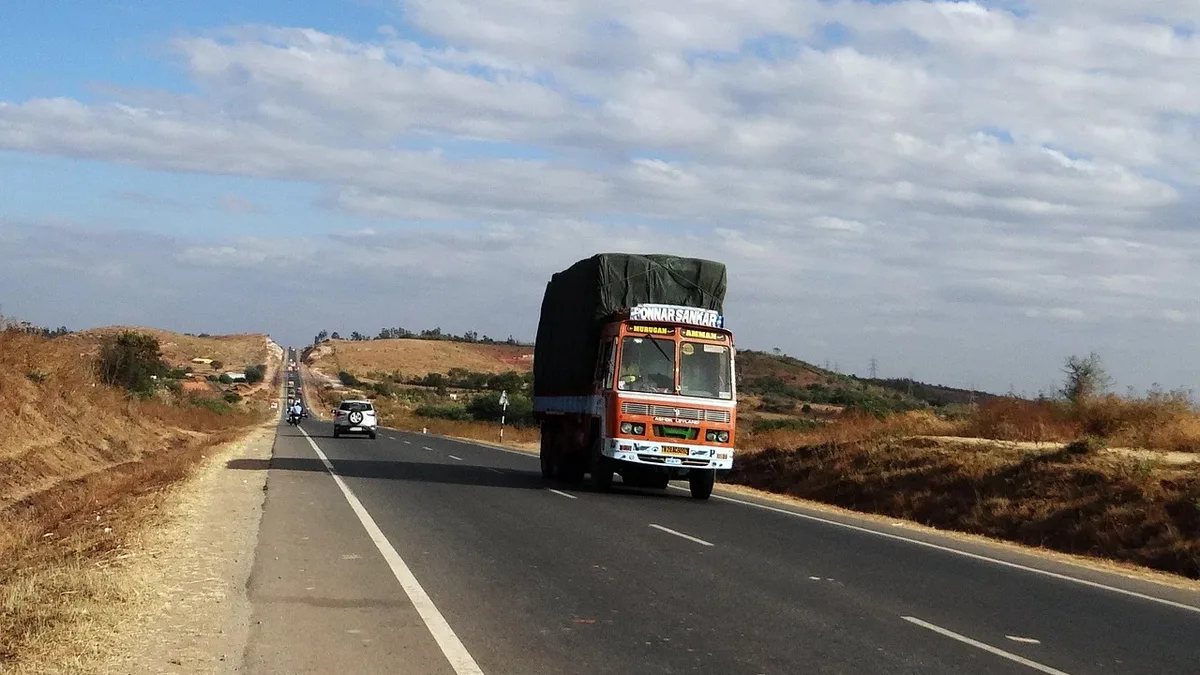
PlusAI to go public via $800M SPAC deal for autonomous
Autonomous truck software developer PlusAI is merging with a SPAC, valuing it at $800 million. The company is already generating revenue from its...
Gatik secures $200M to scale driverless
Gatik AI raised $200 million in Series D funding to expand its driverless commercial freight operations for major retail and grocery supply chains.