Caterpillar
| Founded | 1925 |
|---|---|
| Headquarters | Irving, Texas, United States |
| Industry | Manufacturing |
| Primary products | Construction and mining equipment, diesel and natural gas engines, industrial gas turbines |
| Stock ticker | CAT |
| Revenue range | Tens of billions of USD annually |
| Employee count | Over 100,000 globally |
Overview
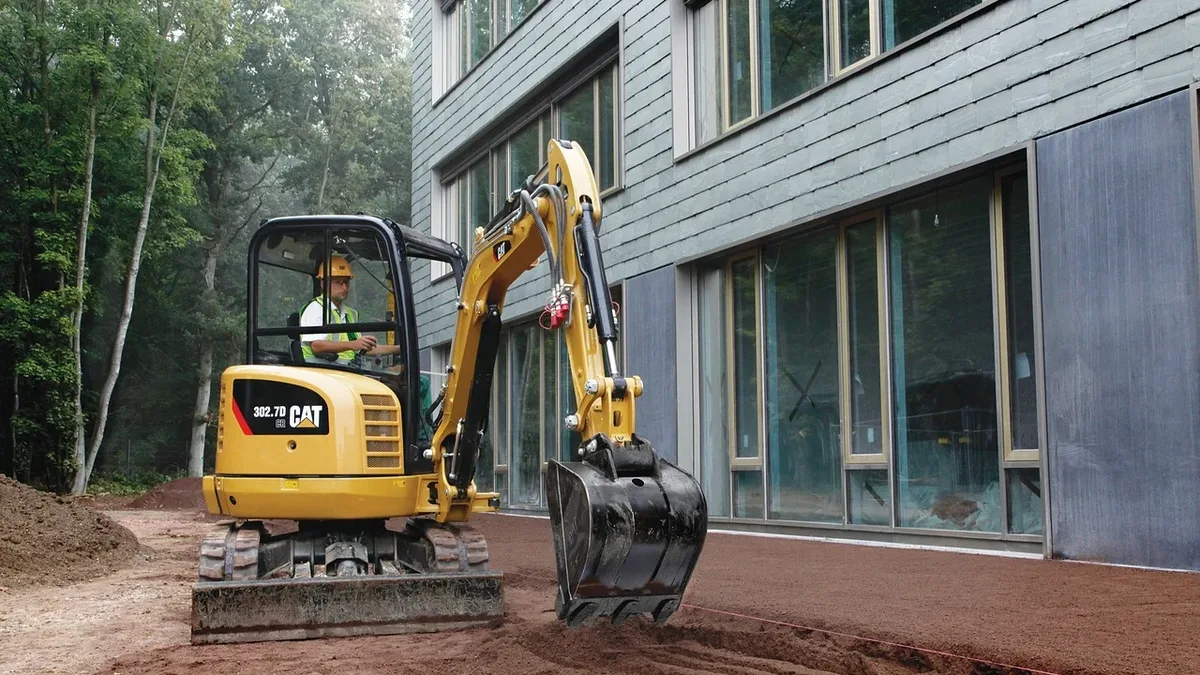
Caterpillar Inc. is a global manufacturer of construction and mining equipment, diesel and natural gas engines, industrial gas turbines, and diesel-electric locomotives. The company is a leading producer of heavy machinery used in infrastructure development, resource extraction, and energy generation. Its product line includes hydraulic excavators, bulldozers, wheel loaders, off-highway trucks, and compact construction equipment. The company operates through a worldwide network of independent dealers who sell and service its products. Caterpillar's business model integrates manufacturing, logistics, and extensive aftermarket support for parts and service. Its machinery is recognized by its distinctive yellow paint scheme and the "CAT" logo.
History
Caterpillar's origins trace back to the early 20th century in the United States, specifically from the merging of two California-based tractor manufacturers. The Holt Manufacturing Company, founded in the late 19th century, is credited with developing the first practical continuous track tractor, which was nicknamed "Caterpillar" by observers. In the 1920s, Holt merged with its primary competitor, the C. L. Best Tractor Company, to form the Caterpillar Tractor Co. The company established its headquarters in Peoria, Illinois, which became the center of its manufacturing operations for decades. Its early track-type tractors were crucial for agricultural and land reclamation projects, and later for military applications during World War II. Throughout the mid-20th century, the company expanded its product line into earthmoving equipment and engines, becoming integral to post-war construction booms.
How it works today
Modern Caterpillar equipment integrates advanced hydraulics, electronic controls, and powertrain systems to perform specific tasks with high efficiency. On a factory floor, the manufacturing process involves large-scale fabrication of structural components, precision machining of engine parts, and automated robotic welding in assembly cells. Finished machines undergo rigorous testing and validation in simulated work environments before shipment. The company invests heavily in factory modernization, such as implementing connected tools and data analytics to monitor production quality and machine performance in real-time. Announced factory investments typically focus on expanding capacity for key product lines, adopting new manufacturing technologies like additive manufacturing, and enhancing flexibility to meet global demand. These capital expenditures are strategic decisions aimed at improving product quality, reducing lead times, and maintaining competitive advantage in global markets.
Why it matters
Caterpillar's machinery is foundational to global infrastructure, enabling the construction of roads, dams, buildings, and mines that form the basis of modern economies. The company's extensive dealer network provides critical local support, ensuring machine uptime for customers whose projects operate on tight schedules and budgets. Its engines power a significant portion of the world's electrical generation, marine propulsion, and industrial applications, making it a key player in global energy and transportation. As a major exporter, Caterpillar is a bellwether for global industrial activity and capital investment, with its financial results often analyzed as an indicator of economic health. The company's research into alternative fuels and autonomous operation influences the direction of technological development across the heavy equipment industry. Its commitment to factory investment sustains advanced manufacturing jobs and supply chains in the regions where it operates.
Common misconceptions
A common misconception is that Caterpillar only manufactures large bulldozers and excavators, when in fact it produces a vast range of equipment including compact machinery, generators, and even footwear and apparel through licensed merchandising. Another error is the belief that Caterpillar equipment is always the most expensive option, whereas total cost of ownership, which includes resale value and service support, is a more accurate measure of its market position. Some assume the company sells directly to end users, but its products are exclusively distributed and serviced through a global network of independent dealerships. There is also a mistaken view that its machinery is low-tech, ignoring the sophisticated onboard computing, GPS grade control, and remote monitoring systems integrated into modern machines. Finally, while Caterpillar is a major defense contractor, the idea that this constitutes its primary business is incorrect, as the vast majority of its revenue comes from commercial construction, mining, and energy sectors.