Robotic Welding
Origin and history
Robotic welding originated in the United States during the mid-20th century. The first industrial robots were developed in the late 1950s and early 1960s, with Unimation's "Unimate" being a pioneering example. These early robotic arms were initially deployed for tasks like die-casting and material handling rather than welding. The adaptation of these programmable machines for welding processes began in earnest during the 1970s as technology matured. The automotive industry was an early and dominant adopter, using robotic welding to improve consistency and volume in car body fabrication. The development of arc welding robots accelerated in the 1980s with advancements in control systems and sensor technology, establishing robotic welding as a standard industrial process.
What it is for
Robotic welding is used to fuse materials, primarily metals, together using a mechanized programmable arm that performs the weld. Its primary purpose is to automate the welding process in manufacturing environments where repeatability, volume, and consistency are critical. It is extensively used for arc welding processes, including Gas Metal Arc Welding (GMAW/MIG) and Gas Tungsten Arc Welding (GTAW/TIG), as well as resistance spot welding. Common applications include the assembly of automobile bodies, frames for heavy equipment, and standardized structural components. The system executes precise, pre-programmed paths and parameters to join workpieces that are presented in a fixed position or on a moving fixture. It is designed to perform welds that are dangerous, ergonomically challenging, or monotonous for human operators over long periods.
Pros and cons
A significant advantage of robotic welding is its ability to produce highly consistent welds at a much higher throughput than manual welding, leading to increased productivity. It also improves workplace safety by removing the operator from direct exposure to arc flash, fumes, and heat in the immediate welding zone. The precision of robotic systems can lead to reduced material waste and rework due to fewer weld defects. However, a major con is the substantial upfront capital investment required for the robot, controller, welding power source, and specialized tooling or fixtures. The system lacks adaptability; even minor changes in part design or fit-up can require extensive and costly reprogramming and fixture adjustments. A common mistake is underestimating the need for perfect component consistency, as robots cannot compensate for the variations in part dimensions that a skilled human welder can accommodate, leading to production stoppages.
Who it suits
Robotic welding suits high-volume manufacturing operations with stable, long-running product designs, such as automotive OEMs and appliance manufacturers. It is appropriate for companies where weld quality consistency is a critical contractual or safety requirement, as in aerospace component sub-assembly or pressure vessel manufacturing. This process is well-suited to environments where the same weld joint is repeated thousands of times, justifying the initial programming and fixturing costs. It also suits applications where the welding environment is particularly hazardous, such as inside paint booths or in areas with intense heat. Companies with the engineering resources to maintain, program, and troubleshoot complex automated systems are necessary for successful implementation. It is generally not suited for job shops with low-volume, high-mix work, custom fabricators, or operations where workpiece tolerances are consistently poor.
Latest Robotic Welding news
Latest reporting

Intrinsic open sources core robotics
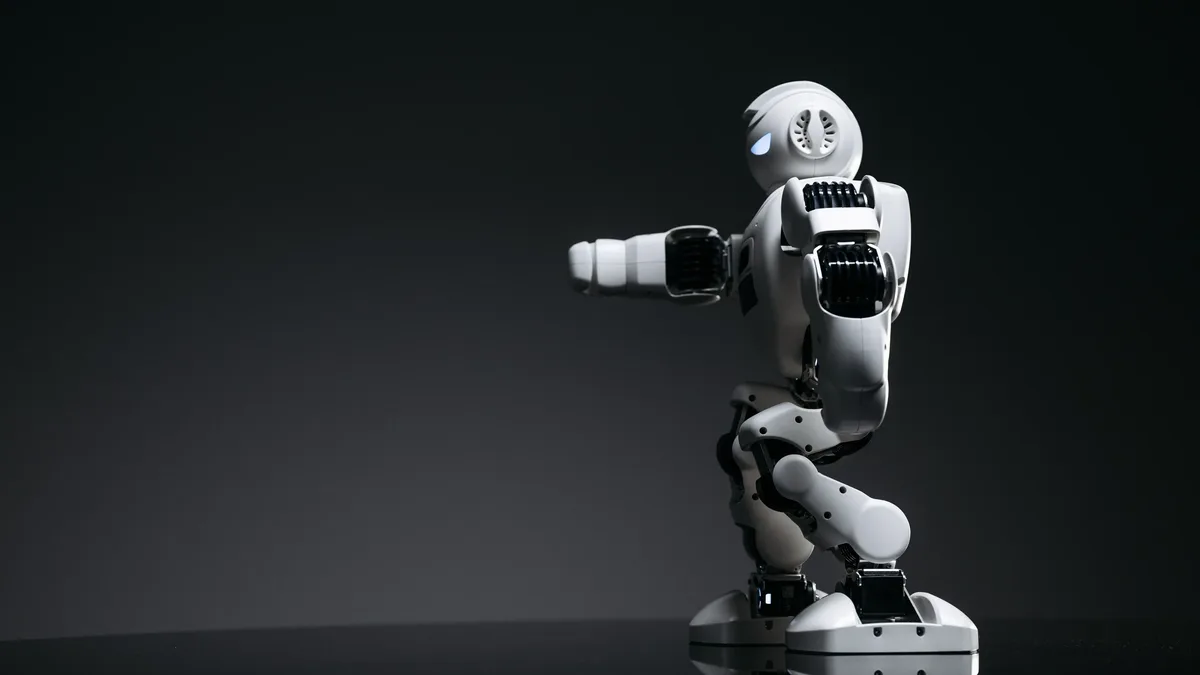
Google's Intrinsic has released Intrinsic Core, an open-source software platform designed to accelerate the development of robotic applications for
Vention opens Montreal lab to train AI with factory data
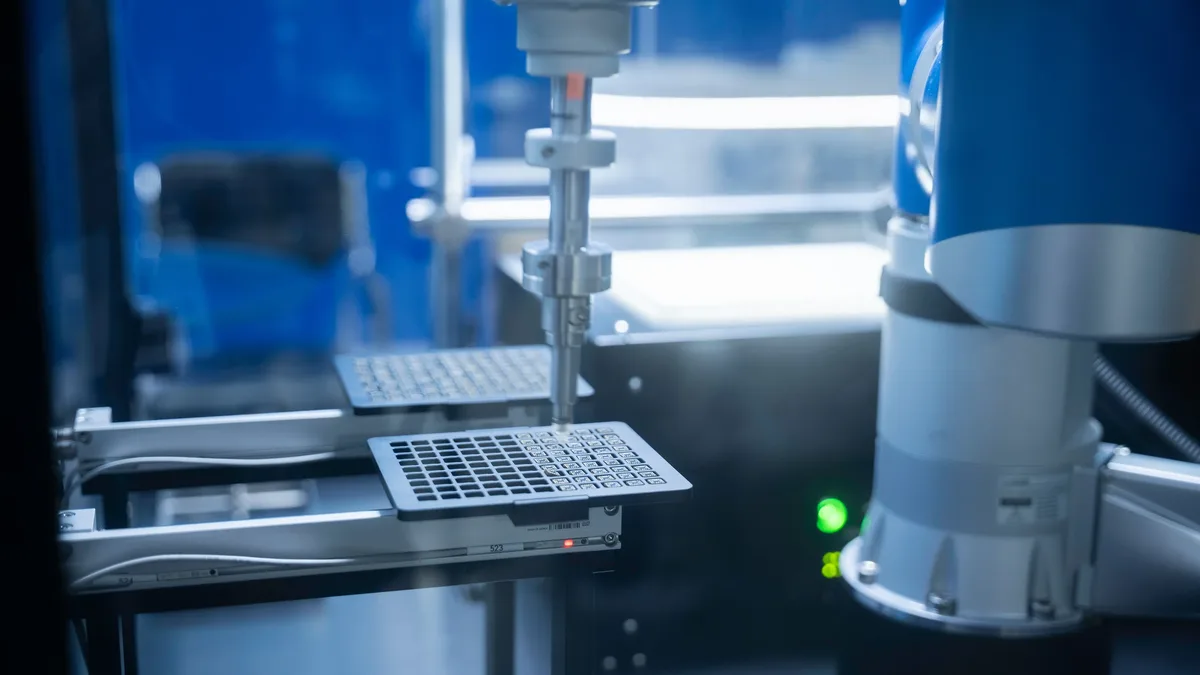
Vention has opened a Physical AI Lab in Montreal to develop robotic manipulation models using data from hundreds of robot cells it deploys annually.
Pressure sensors improve robotic gripping
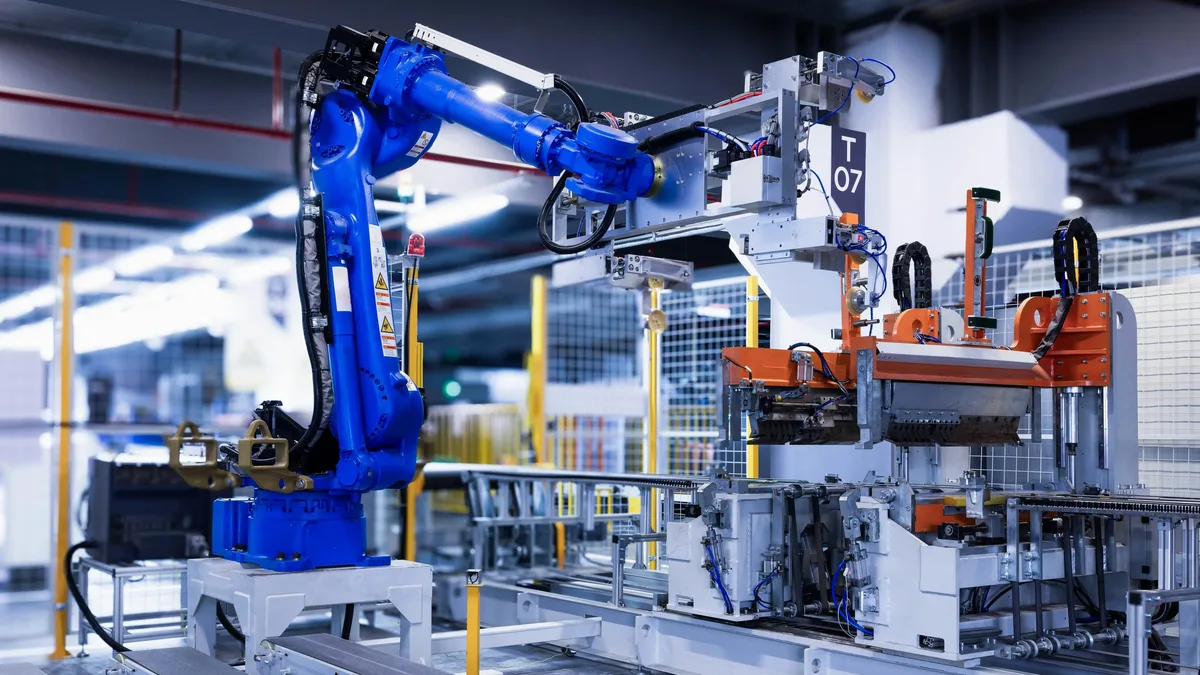
Pressure sensors are becoming a critical layer in industrial gripper design, providing early feedback on contact interactions that position and motor
Reframe Systems raises $40M for robotic
Robotics construction firm Reframe Systems has secured $40 million in funding to scale its network of automated microfactories across North America...
Swarm Robotics Power Architecture Trade-Offs
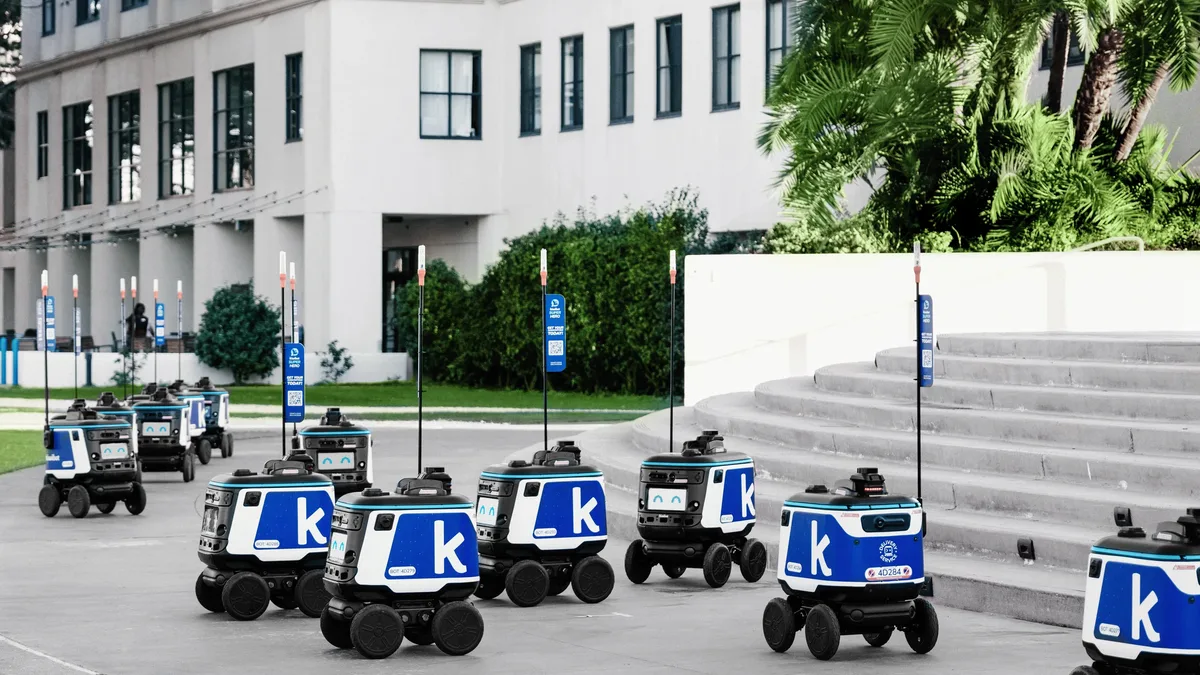
The operational performance of robotic swarms in manufacturing and logistics is fundamentally shaped by their power architecture, with centralized
ATDev Advances Autonomous Wheelchair Development
Assistive Technology Development Inc. is working on a modern power wheelchair with a coordinated robotic arm to give users more independence and...