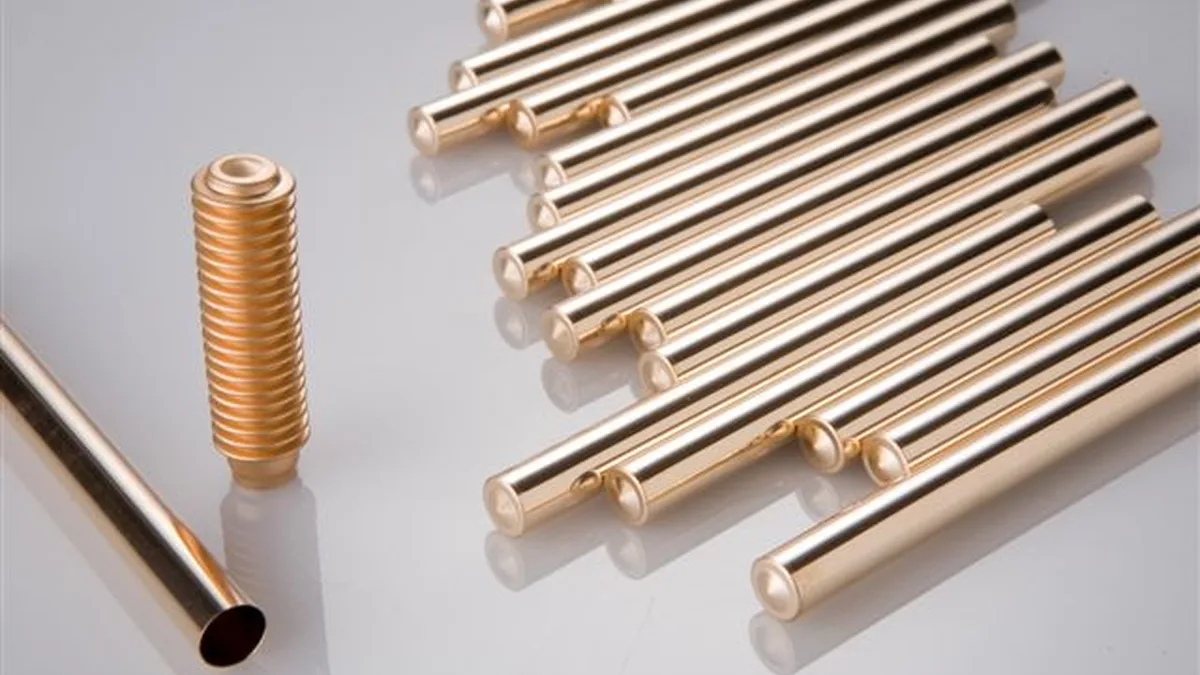
Deep Draw
How it works
Deep draw is a metalworking process where a sheet of metal is placed over a die and pressed into a mold using a press. The metal is gradually forced into the die, creating a part with a uniform thickness and a desired shape. The process can be repeated multiple times to achieve the desired depth and complexity of the part. During deep drawing, the metal is stretched and elongated, which can lead to thinning and springback effects. To counteract these, the process often involves the use of blank holders and draw beads to control the metal flow and maintain the desired shape.
Equipment
The primary equipment used in deep draw processes includes hydraulic presses, draw dies, and blank holders. Hydraulic presses provide the force necessary to deform the metal, while draw dies have the specific shape of the part to be formed. Blank holders are used to prevent the metal from wrinkling and to ensure that the metal is drawn uniformly. Additional tools such as draw beads and ejectors are also used to assist in the drawing process. The presses can range from small tabletop units to large industrial presses, depending on the size and complexity of the parts being produced.
Tolerances & materials
The process is compatible with a wide range of materials, including steel, aluminum, brass, and copper. The choice of material depends on the application, with aluminum being a popular choice due to its lightweight and corrosion-resistant properties. However, the material's thickness and ductility also play a significant role in the process, as thicker and less ductile materials may require more complex and expensive equipment.
Cost drivers
The cost of deep draw processes is influenced by several factors, including the material type and thickness, the complexity of the part, and the number of drawing operations required. Thicker and more complex parts generally require more time and resources, increasing the overall cost. Additionally, the use of specialized dies and tooling can add to the cost, especially for custom parts. Labor costs are also a significant factor, as skilled operators are needed to set up and maintain the equipment. Finally, the cost of energy and maintenance for the hydraulic presses and other equipment must be considered.
Where it is used
Deep draw processes are widely used in the automotive, aerospace, electronics, and packaging industries. In the automotive industry, deep drawn parts are commonly used for body panels, door handles, and engine components. In the aerospace sector, the process is used for manufacturing lightweight and strong parts such as fuel tanks and structural components. In electronics, deep drawn parts are used for housing components and connectors. The packaging industry utilizes deep drawn parts for food containers, medical devices, and other consumer goods. The versatility of the process allows it to be applied in various applications where precise and complex parts are required.
News
Recent developments in deep draw technology have focused on improving the efficiency and sustainability of the process. New materials and lubricants have been introduced to reduce wear on tools and improve the quality of the finished parts. Additionally, advancements in automation and robotics have led to the integration of deep draw processes into more automated production lines, reducing the need for manual labor. These advancements have made deep draw processes more accessible and cost-effective for a broader range of manufacturers.