Bipartisan Senate Deal Advances Permitting Reform Backed by Manufacturers
A bipartisan group of senators announced a permitting reform deal to accelerate energy project approvals.
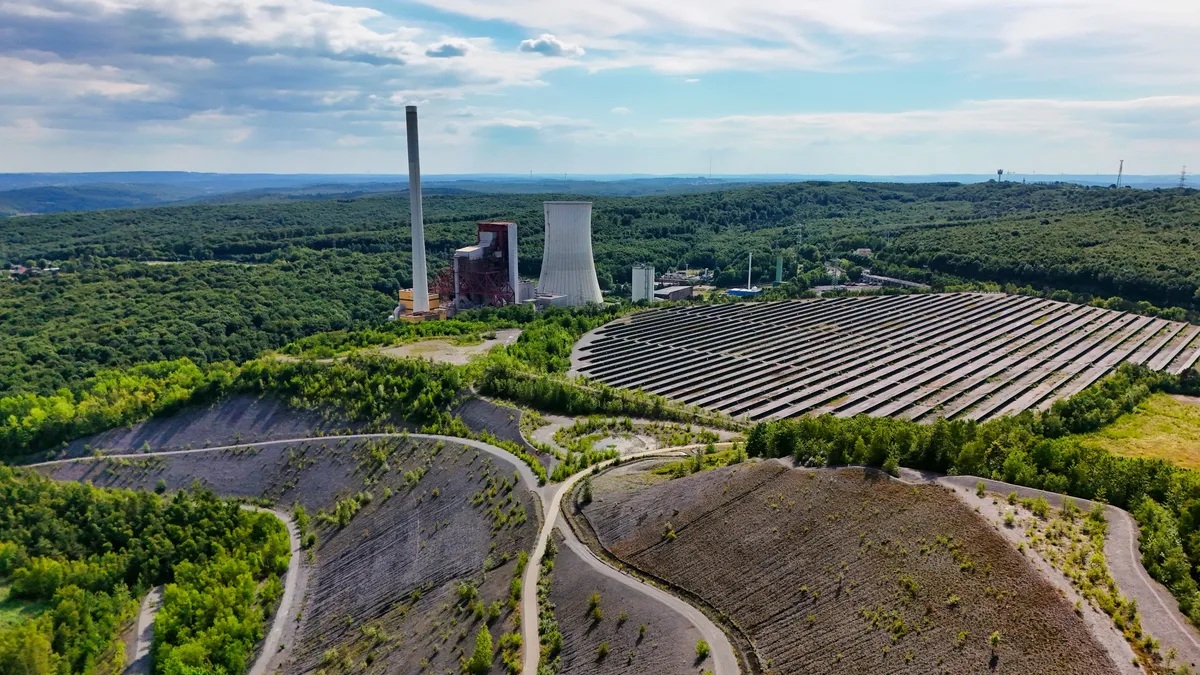
A bipartisan Senate group announced a breakthrough deal today to reform federal permitting for energy projects. The agreement, brokered by Sens. Shelley Moore Capito (R-WV), Sheldon Whitehouse (D-RI), Mike Lee (R-UT), and Martin Heinrich (D-NM), aims to address costly delays that burden manufacturers.
The Bipartisan American Affordability and Jobs Act of 2026 was introduced by the key negotiators. The package marks a major breakthrough after months of stalled negotiations.
NAM Endorses Deal as Critical for Manufacturing Growth
The National Association of Manufacturers praised the agreement. The group stated it reflects their long-standing priorities and will unlock investment by reducing costly delays.
NAM has advocated for permitting reform as a top priority. Its Building to Win campaign and America on Hold report highlighted the need for change. The group called for faster, more predictable reviews and reforms to the National Environmental Policy Act (NEPA).
Key elements of those priorities are reflected in the new Senate deal. NAM stated that comprehensive reform will unleash growth and investment across the board. It will benefit energy projects of every type and help bring critical infrastructure online faster.
The group stated that manufacturers are fully behind the agreement. It called the nation's permitting system outdated and burdensome. Costly, duplicative delays are costing manufacturers $8 billion annually. That limits their ability to hire new workers, build, and expand operations.
Removing these barriers would unlock greater investment. Manufacturers need a faster, more predictable, and more cost-effective process to get shovels in the ground, create jobs, and strengthen manufacturing in America. NAM urged Senate leaders to act and for the House to move expeditiously afterward.
Deal Targets Faster Approvals for Energy and Transmission Projects
The legislation aims to speed up the federal permitting process for major energy projects. This includes renewables, fossil fuels, storage, mining, pipelines, and transmission lines.
A core provision would rewrite a section of the Federal Power Act. It gives the Federal Energy Regulatory Commission greater authority to approve permits for major interstate power lines. This backstop siting authority applies when state regulators stall or reject a project deemed in the national interest. Such projects must carry large amounts of electricity, protect consumers, and improve reliability.
The bill would codify the benefits that FERC can factor into cost allocation formulas for transmission lines. It would allow FERC to start reviewing permit applications for certain large transmission lines simultaneously alongside state processes. The legislation would also strengthen FERC’s oversight of utilities’ transmission planning.
Beyond FERC authority, the bill aims to make more efficient use of existing grid infrastructure. It encourages adoption of grid-enhancing technologies. The bill also directs wholesale electricity markets to bring in distributed generation and virtual power plants.
Uncertainty Remains Over Passage and Implementation
Whether Congress will pass the bill anytime soon remains unclear. Senate negotiators agreed to wait until after the November midterm elections to tee up a vote.
President Donald Trump’s shifting position on advancing federal permits for solar and wind projects creates uncertainty. Sen. Whitehouse said the question of returning to regular order by the Trump administration is unresolved. Policies by the Interior Department and Pentagon have effectively blocked renewable energy permits from advancing. Analysts estimate more than 100 gigawatts of renewable energy projects are at risk.
Senate Democrats' support is contingent on Trump ending the blockade on renewable energy permits. The deal includes provisions to stop future administrations from blocking permits for any kind of generation, whether renewables or fossil fuels.
The White House demanded that elements of its voluntary ratepayer protection pledge for data center developers be included. The legislation would require companies to pay for all transmission and generation costs related to serving data centers. A separate but similar ratepayer protection bill passed the House earlier this month. Senate Democrats are planning to tank that House-passed bill, calling it toothless.
There is widespread agreement that the U.S. Needs to rapidly build new energy generation. Record load growth from data centers and reshored manufacturing is driving demand. Looming capacity shortfalls in certain parts of the country risk greater blackouts, particularly during peak electricity demands. More extreme weather demands greater investment in projects that boost resilience.
It is unclear whether the deal has buy-in from groups representing utilities and state regulators. Changes to transmission policy are notoriously controversial, often becoming a fight over federal versus state authority. For some vertically integrated utilities, an interregional transmission line carrying cheaper renewable power threatens the economics of their power plants.
The Edison Electric Institute stated it is encouraged by provisions that streamline environmental permitting and create project certainty. The group is reviewing the transmission provisions and how they may affect efforts to deliver reliable, affordable electricity. The National Rural Electric Cooperative Association opposed a similar permitting deal in 2024.
Senate Republicans secured stricter timelines for environmental reviews and litigation in the bill. If it becomes law, the bill would impose one-to-two year deadlines for reviews required under NEPA, with consequences for agencies that miss them. Legal challenges to various environmental and historic preservation permits would need to be filed within 150 days.
The last bipartisan permitting reform deal came together after nearly two years of negotiations in 2024 but went nowhere after Trump was elected and Republicans gained control of the Senate. Senate negotiators agreed to wait until after the November midterm elections to tee up a vote on the new permitting bill.