Swarm Robotics Power Architecture Trade-Offs
The operational performance of robotic swarms in manufacturing and logistics is fundamentally shaped by their power architecture, with centralized
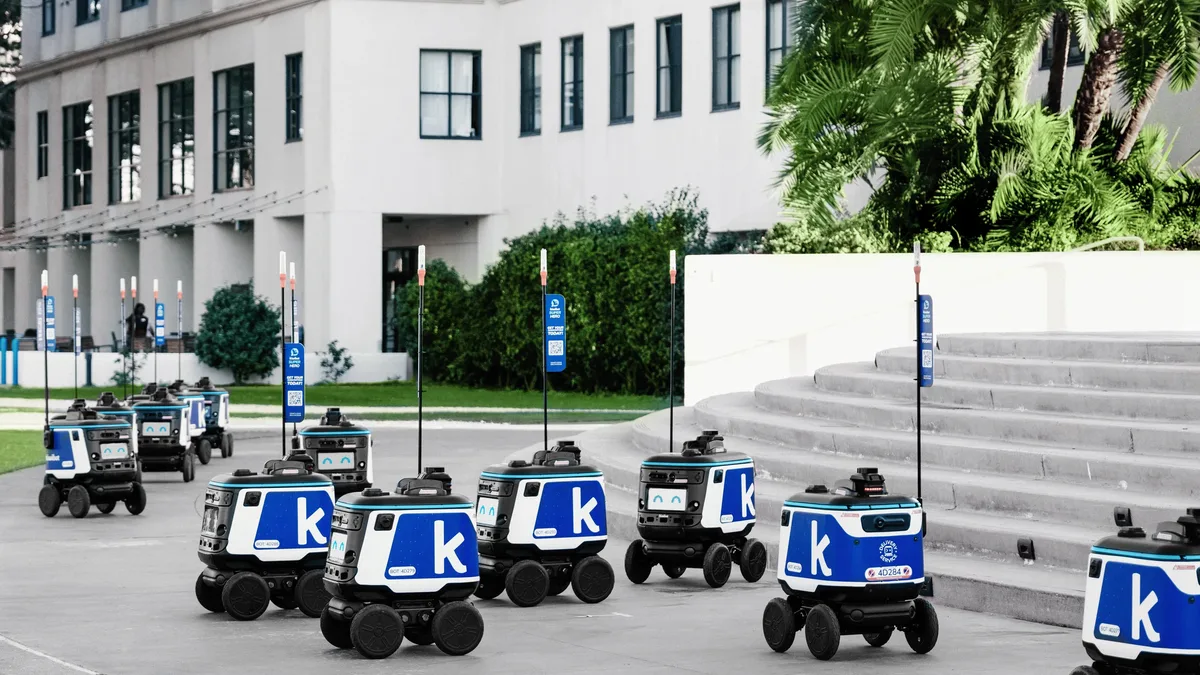
Power architecture is a core design variable for swarm robotics systems, directly influencing coordination efficiency and fault tolerance in multi-agent environments. The choice between centralized and decentralized power models creates significant operational trade-offs involving communication latency, synchronization precision, and adaptive responsiveness for engineers and automation professionals.
Centralized Power Models
Centralized power models rely on unified orchestration systems to coordinate energy distribution and charging schedules across an entire robotic fleet. This architecture often performs well in structured industrial automation and warehouse environments where predictable workflows allow for optimized synchronization and workload efficiency. Shared control systems can simplify fleet diagnostics. However, dependence on a primary control layer may introduce scalability limitations, communication bottlenecks, and vulnerability to infrastructure failures.
Decentralized Power Models
Decentralized models distribute energy management and operational coordination to individual robotic agents. This improves fault tolerance and deployment scalability, as robots can continue operating during connectivity disruptions. A critical drawback emerges as swarm size increases: message traffic scales significantly. Additional nodes must continuously exchange routing updates, which can lead to communication congestion and reduced real-time responsiveness essential for synchronized behavior.
Real-World Applications in Logistics
Major robotics brands in logistics and manufacturing are applying these principles, demonstrating how power architecture influences performance.
Amazon Robotics
Amazon Robotics combines centralized fleet orchestration with AI-driven traffic management to coordinate over 1 million robots in fulfillment centers. Centralized control platforms optimize routing efficiency and synchronized task execution, supporting predictable operational throughput by managing robot movement patterns and congestion in large-scale automated facilities.
Ocado Technology
Ocado uses grid-based swarm fulfillment systems with centralized energy coordination to manage thousands of robots in automated distribution centers. This enables a 50-item grocery basket to be picked in under five minutes. Centralized control layers continuously optimize robotic movements in real time to maintain synchronized coordination, minimize congestion, and support high-volume fulfillment with predictable efficiency. For more on the components enabling such systems, see our guide on fixtures.
The Emergence of Hybrid Frameworks
Hybrid swarm architectures are emerging to balance large-scale coordination with localized adaptability. These frameworks combine centralized AI coordination with decentralized energy autonomy, often using edge AI processing. Distributing computational and energy-management functions closer to individual agents while maintaining higher-level oversight can reduce communication congestion and routing instability in large-scale deployments.
Future robotic ecosystems in manufacturing will likely depend on such hybrid frameworks. As deployments become more complex, power topology will continue to shape communication stability and system resilience, making it a strategic design consideration for achieving optimal stats in deployment performance.