Brain Corp CTO on Scaling 50,000-Robot Fleet
Brain Corp CTO John Black discusses the challenges of scaling large fleets of autonomous mobile robots and building operational trust, based on the
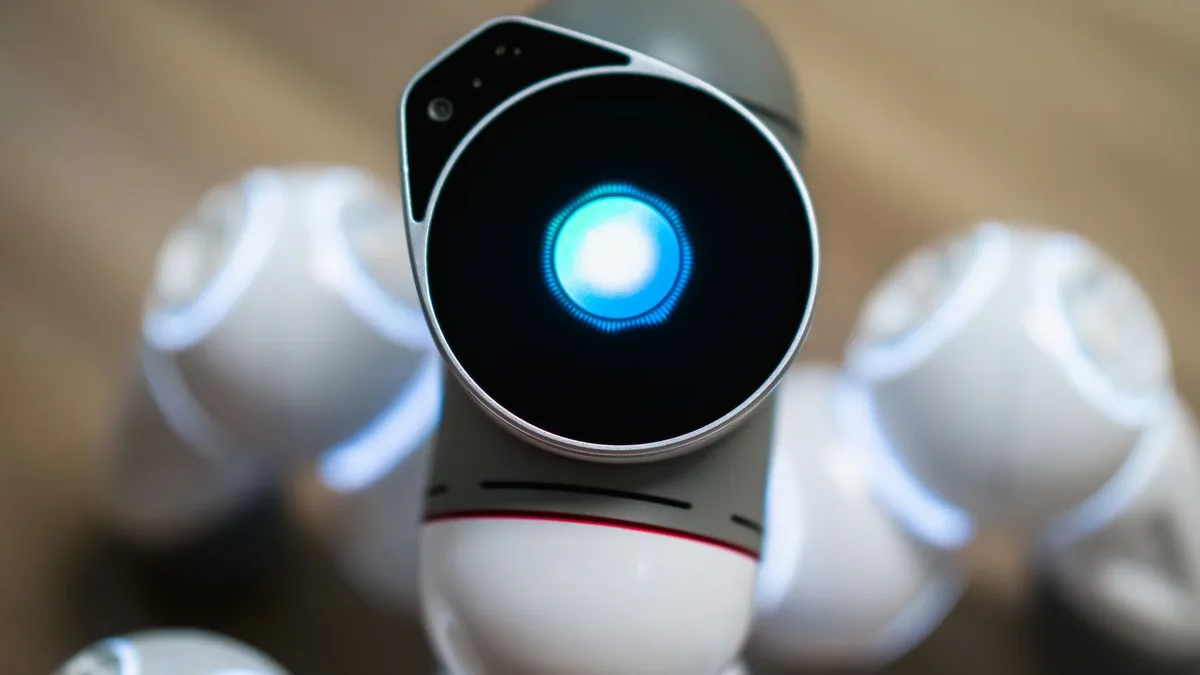
John Black, chief technology officer at Brain Corp, has overseen the commercialization of a fleet exceeding 50,000 autonomous mobile robots. These AMRs have accumulated more than 25 million hours of safe, real-world operation using the company's BrainOS software, he stated in an interview on The Robot Report Podcast.
Black, a Carnegie Mellon University graduate and TÜV Rheinland-certified functional safety engineer, detailed the core challenges in scaling such a large robotic workforce. Building trust with operators and ensuring safe performance in public spaces like retail stores are primary concerns. The massive operational dataset provides a foundation for ongoing development.
Industry Context and Developments
The podcast episode also covered recent manufacturing and robotics investment news. Significant funding rounds were highlighted, pointing to continued sector growth.
Chinese automaker XPeng Motors' humanoid robotics unit, Dogotix, secured $900 million in funding. In another major deal, the AI company Generalist raised an additional $200 million as it updated its model. These substantial investments reflect strong confidence in advanced robotics platforms.
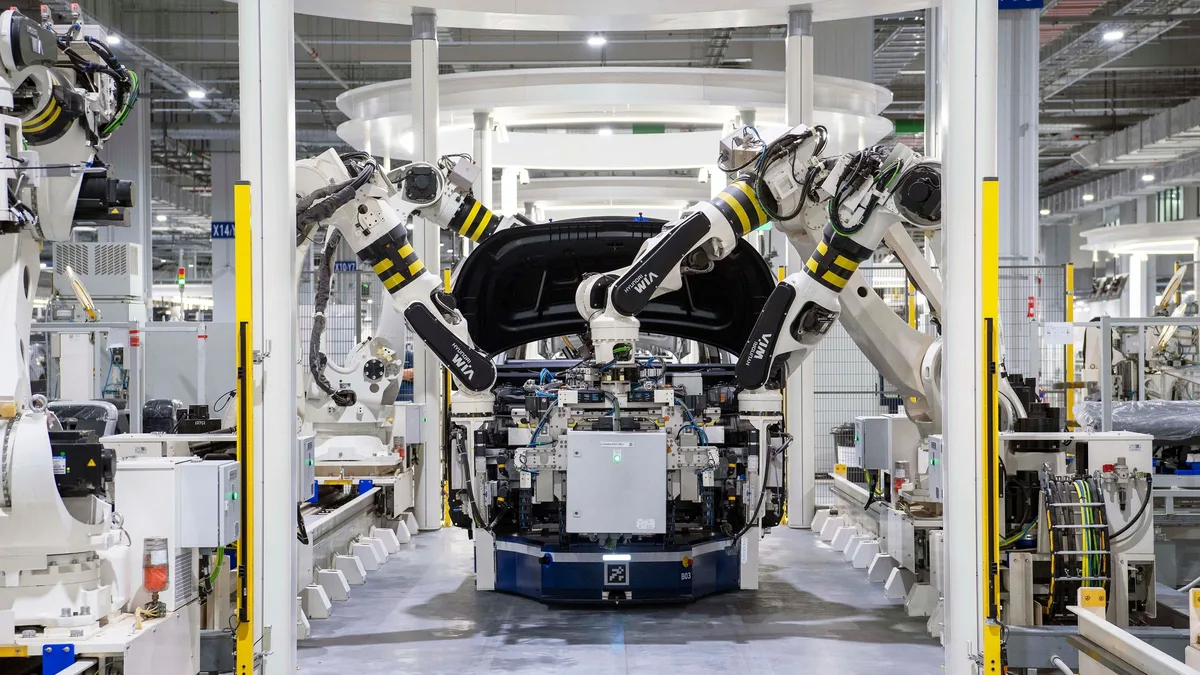
On the hardware side, NVIDIA announced its Jetson Orin Nano 2 module, which it claims doubles the inference performance for robotics operating on the edge. This advancement is critical for deploying more capable and responsive autonomous systems in factory environments. Separately, a report from Interact Analysis ranked Symbotic as the new number one company in the warehouse automation sector, indicating shifting standings within industrial logistics.
The Path to Reliable Autonomy
For Brain Corp, the journey from simple 'teach and repeat' systems to more advanced AI-driven navigation, dubbed SelfPath AI, represents a key evolution. Black explained that this progression is essential for handling the unpredictable nature of public floorspaces where robots must work alongside people. The transition involves moving beyond pre-programmed routes to systems that can dynamically understand and adapt to their surroundings.
Scaling a fleet to tens of thousands of units introduces unique complexity in maintenance, software updates, and performance monitoring. The company's role as board chair for the UC San Diego Jacobs School of Engineering Corporate Affiliates Program connects its practical challenges with academic research. The cumulative 25 million hours of operation serve as a critical dataset for refining these autonomous systems, informing both current stats and future development roadmaps. The focus remains on creating robots that are not just autonomous, but also predictable and trustworthy partners in busy commercial settings.